
Can I Do a Budget-Friendly Gorilla Trek in Uganda?
April 7, 2026
Can I Use Local Transport for Getting Around Uganda?
April 7, 2026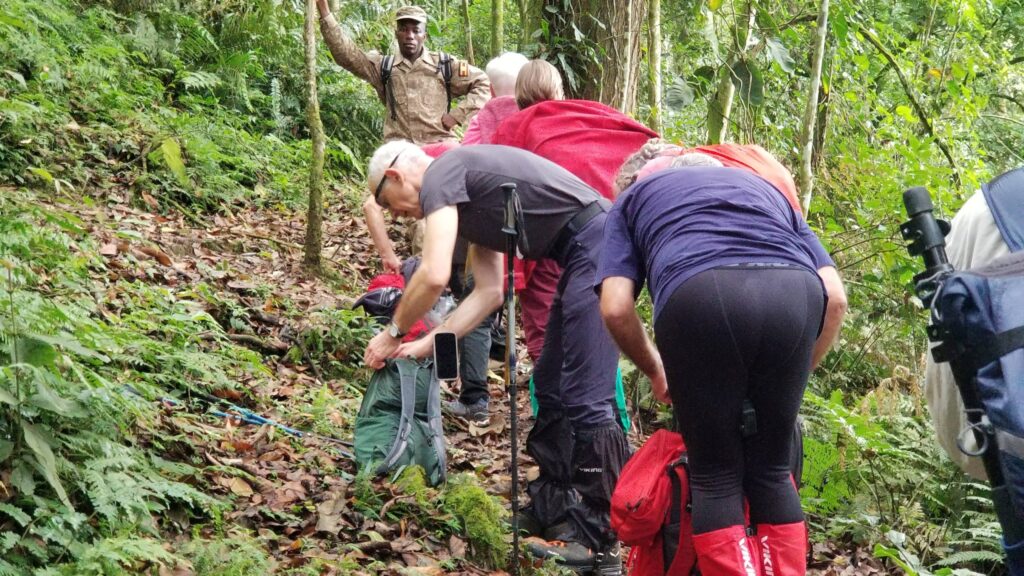
Are There Any Health Risks on a Uganda Safari?
Are there any health risks on a Uganda safari? Uganda stands as one of Africa’s most rewarding safari destinations, offering rich biodiversity, scenic landscapes, and authentic cultural encounters. However, every travel experience requires proper preparation, especially when exploring tropical environments.
A Uganda safari exposes travelers to diverse ecosystems, including rainforests, wetlands, and savannahs. These environments support incredible wildlife, yet they also host certain health risks that travelers must understand. With proper knowledge and planning, visitors can manage these risks effectively and enjoy a safe journey.
Moreover, Uganda maintains strong tourism and health safety standards, which support visitor well-being. Tour operators, lodges, and guides prioritize safety through clear protocols and professional guidance. Travelers benefit from structured systems that reduce risks significantly.
Overview of Uganda Safari
Uganda offers a dynamic safari environment that includes tropical forests, lakes, rivers, and open savannahs. These landscapes create ideal conditions for wildlife and tourism, yet they also influence health considerations.
Travelers move through different climates during a Uganda safari. Some regions remain humid, while others experience moderate temperatures. These variations require proper preparation to maintain comfort and safety.
Additionally, Uganda’s tourism infrastructure supports safe travel experiences. National parks operate under regulated systems that ensure visitor protection. Guides provide instructions that help travelers navigate environments responsibly.
Health risks exist but remain manageable with simple precautions. Malaria, waterborne illnesses, and minor infections represent the most common concerns. Preventive measures reduce these risks significantly.
Furthermore, travelers benefit from access to medical facilities in major towns and cities. Emergency evacuation services also operate in key safari regions, which adds another layer of security.
A Uganda safari offers a safe and enjoyable experience when travelers prepare properly. This understanding answers the question, Are there any health risks on a Uganda safari, with clarity and confidence.
Unique Features of Uganda Safari
Uganda presents a balanced environment where risks exist but remain manageable through awareness and preparation. Compared to other regions, Uganda maintains relatively stable health conditions for travelers.
One unique feature involves the country’s altitude variation. Highland areas such as Bwindi Impenetrable Forest offer cooler temperatures, which reduce mosquito activity. This factor lowers malaria risk in certain regions.
Additionally, Uganda’s conservation-focused tourism limits overcrowding in national parks. Fewer visitors reduce exposure to communicable diseases. This approach enhances both safety and overall experience.
Another important aspect involves strong collaboration between tourism operators and health authorities. Lodges and tour companies implement hygiene standards and provide guidance on safety practices. These efforts create a secure environment for visitors.
Moreover, Uganda requires a yellow fever vaccination for entry. This policy protects both travelers and local communities. It also reflects the country’s proactive approach to health management.
Uganda’s health risks remain predictable and controllable. These characteristics strengthen the answer to the question, Are there any health risks on a Uganda safari, while emphasizing safety and preparedness.
Wildlife in Uganda Safari
Wildlife encounters form a central part of the Uganda safari experience, especially during gorilla trekking and game drives. These activities require careful behavior to ensure safety.
Wild animals generally avoid human contact, yet travelers must follow guide instructions at all times. Maintaining safe distances prevents unnecessary risks. This practice protects both visitors and wildlife.
In gorilla trekking areas, strict health guidelines exist to protect primates and humans. Visitors must avoid trekking when sick to prevent disease transmission. This rule plays a critical role in conservation efforts.
Additionally, insects such as mosquitoes and tsetse flies inhabit certain. These insects can transmit diseases, including malaria. Using insect repellent and wearing protective clothing reduces exposure effectively.
Water sources in national parks may carry parasites. Travelers should avoid drinking untreated water and rely on bottled or purified options.
Activities in Uganda Safari
Activities define the Uganda safari experience, yet they require awareness and preparation to ensure safety.
Gorilla trekking involves hiking through dense forests and uneven terrain. Proper footwear and physical preparation reduce the risk of injuries. Guides provide support and ensure safe navigation throughout the trek.
Game drives expose travelers to outdoor conditions for extended periods. Sun protection becomes essential to prevent dehydration and heat-related issues. Wearing hats and applying sunscreen helps maintain comfort.
Boat safaris offer unique wildlife viewing opportunities. Life jackets and adherence to safety instructions ensure secure experiences. Operators maintain equipment to meet safety standards.
Additionally, cultural visits involve interaction with local communities. Maintaining hygiene practices, such as handwashing, reduces the risk of infections. These simple actions support overall health.
Travelers who prepare for activities enjoy safe and rewarding experiences. These precautions reinforce the answer to Are there any health risks on a Uganda safari while participating in various adventures.
Conservation and Challenges
Environmental factors influence health considerations in tropical destinations. Uganda’s ecosystems require responsible management to maintain safety and sustainability.
Climate conditions, including rainfall and humidity, create favorable environments for insects and bacteria. Travelers must adapt to these conditions through proper clothing and hygiene practices.
Conservation efforts play a vital role in managing health risks. Protected areas maintain ecological balance, which reduces the spread of certain diseases. Healthy ecosystems support safer tourism environments.
However, challenges remain in balancing tourism growth and environmental protection. Increased visitor numbers require continuous monitoring and infrastructure development. Authorities and operators work together to address these challenges.
Community involvement strengthens sustainability efforts. Local populations participate in conservation programs and benefit from tourism revenue. This collaboration promotes responsible practices and reduces environmental risks.
Environmental awareness helps travelers manage health risks effectively. This understanding supports the answer to Are there any health risks on a Uganda safari while emphasizing sustainability and responsibility.
Getting to Uganda Safari
Are there any health risks on a Uganda safari during the journey to and within the country? Travel itself requires preparation to ensure comfort and safety. Long flights and road transfers may cause fatigue, which travelers can manage with proper planning.
Staying hydrated during travel helps maintain energy levels. Drinking safe water and avoiding unfamiliar foods reduces the risk of digestive issues. These precautions support overall well-being.
Road travel in Uganda offers scenic experiences, yet it requires attention to safety. Using reputable tour operators ensures reliable vehicles and experienced drivers. This choice minimizes travel-related risks.
Additionally, travelers should carry basic medical supplies, including personal medications and first aid kits. These items provide immediate support in case of minor health issues.
Travel insurance adds another layer of protection. It covers medical emergencies and evacuation if necessary. This preparation ensures peace of mind throughout the journey.
Safe travel practices contribute to a positive safari experience. These measures reinforce the answer to Are there any health risks on a Uganda safari during transportation and logistics.
Accommodation in Uganda Safari
Uganda offers a wide range of lodging options, from budget camps to luxury lodges. Most accommodations maintain high hygiene and safety standards.
Lodges provide clean water, proper sanitation, and well-maintained facilities. These features reduce the risk of infections and ensure guest comfort. Staff follow hygiene protocols to maintain safe environments.
Additionally, many lodges use mosquito nets and insect control measures. These precautions protect guests from mosquito bites and related diseases. Rooms often include screened windows and doors for added safety.
Food preparation follows safety guidelines to prevent contamination. Guests enjoy fresh and well-cooked meals that meet international standards. This approach supports health and satisfaction.
Eco-friendly lodges implement sustainable practices while maintaining hygiene. These efforts balance environmental responsibility and guest safety effectively.
Accommodation in Uganda supports safe and comfortable stays. These standards strengthen the answer to Are there any health risks on a Uganda safari related to lodging.
Best Time to Visit Uganda Safari
Seasonal changes influence health conditions and travel experiences. Uganda experiences dry and rainy seasons, each with distinct characteristics.
Dry seasons offer favorable conditions for trekking and wildlife viewing. Reduced rainfall limits mosquito breeding, which lowers malaria risk. These periods attract more visitors due to comfortable conditions.
Rainy seasons bring lush landscapes and increased insect activity. Travelers may encounter higher mosquito presence, which requires stronger preventive measures. However, fewer crowds create a more peaceful experience.
Additionally, road conditions may become challenging during heavy rains. Travelers should plan accordingly and allow extra time for movement. Proper preparation ensures safe travel.
Seasonal awareness helps travelers manage health risks effectively. Choosing the right time supports comfort and safety throughout the safari.
Understanding seasonal variations reinforces the answer to Are there any health risks on a Uganda safari while planning travel dates.
Cultural Experiences Around Safari Lodges
Cultural experiences enrich the safari journey by connecting travelers with local communities. These interactions remain safe when travelers follow basic hygiene practices.
Visitors often participate in traditional dances, craft workshops, and village tours. These activities provide insight into local lifestyles and traditions. Maintaining respectful behavior enhances these experiences.
Additionally, travelers should use hand sanitizers and wash hands regularly during visits. These practices reduce the risk of infections and support personal health.
Food experiences may include tasting local dishes. Choosing freshly prepared meals ensures safety and enjoyment. Guides often recommend trusted locations for dining.
Community visits also promote awareness of conservation and sustainable living. Travelers gain valuable perspectives while supporting local economies.
Cultural experiences remain safe and rewarding with proper precautions. These interactions strengthen the answer to Are there any health risks on a Uganda safari while exploring local traditions.
Conclusion: Are There Any Health Risks on a Uganda Safari and How Can Travelers Stay Safe?
Are there any health risks on a Uganda safari, and should they discourage travel? Uganda offers a safe and well-managed safari environment where risks remain minimal and manageable. Proper preparation ensures a smooth and enjoyable experience.
Travelers who follow health guidelines reduce risks significantly. Preventive measures such as vaccinations, medication, and hygiene practices provide effective protection. These steps support confidence and comfort.
Moreover, Uganda’s tourism industry prioritizes safety through strong standards and professional services. Visitors benefit from organized systems that enhance security and well-being.
Firante Gorilla Treks provides expert guidance to help travelers navigate health considerations successfully. This commitment ensures that every Uganda safari meets high standards of safety and quality.
Uganda welcomes travelers with breathtaking landscapes, diverse wildlife, and vibrant cultures. With the right preparation, every journey becomes a safe and unforgettable adventure.
