
How Should I Travel?
March 4, 2026
What Is the Etiquette for Visiting Villages?
March 5, 2026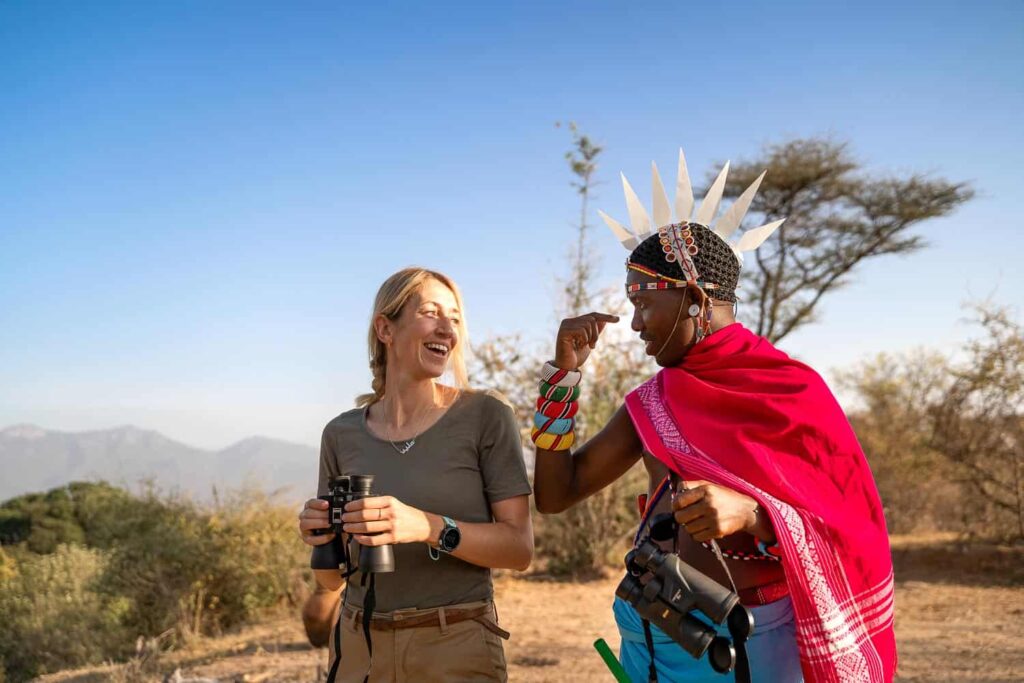
Which Tribes Can I Visit?
Kenya stands among Africa’s most culturally vibrant destinations. The country hosts more than forty unique ethnic communities. Each group preserves distinct traditions, languages, ceremonies, architecture, and lifestyles. A well-planned Kenya cultural safaris journey introduces travelers to these living traditions while exploring breathtaking landscapes and wildlife ecosystems.
Travelers often associate Kenya with iconic wildlife safaris. However, cultural exploration creates deeper connections with the country. Visitors gain insight into how communities coexist with nature, protect ancestral heritage, and maintain traditional livelihoods. Cultural encounters also enrich classic safari itineraries across the Maasai Mara, Samburu, northern deserts, and the Great Rift Valley.
Kenya cultural safaris open doors to communities such as the Maasai, Samburu, Turkana, Rendille, and Pokot. Each group offers meaningful experiences. Visitors may join traditional dances, learn pastoralist survival skills, taste local cuisine, and understand social structures. These immersive activities transform a safari into an educational and emotional journey.
Firante Gorilla Treks designs cultural safaris that respect communities and preserve authenticity. Responsible tourism strengthens local economies and encourages cultural preservation. Visitors gain unforgettable memories while communities benefit from tourism partnerships.
This comprehensive guide answers those questions while exploring the remarkable tribes visitors can encounter. It also highlights cultural experiences, accommodation options, and expert planning advice. Firante Gorilla Treks invites travelers to discover the true heart of Kenya through immersive cultural exploration.
The Maasai Community Experience on Kenya Cultural Safaris
The Maasai represent one of Africa’s most recognized cultural communities. Many travelers begin their Kenya cultural safaris journey by visiting Maasai villages near the famous Maasai Mara ecosystem. The Maasai maintain strong traditions that center on cattle herding, warrior culture, and deep respect for ancestral customs.
Visitors arriving at a Maasai village receive a vibrant welcome. Community members perform energetic dances while wearing colorful beadwork and red shukas. The rhythmic jumping dance, known as Adumu, highlights Maasai warrior strength and endurance. Guests often participate in the dance and learn about its cultural significance.
A cultural visit allows travelers to enter traditional homesteads called Manyattas. Women construct these houses using natural materials like mud, sticks, and cow dung. Guides explain how families organize village life, share responsibilities, and maintain strong community bonds.
Education forms another meaningful part of Kenya cultural safaris experiences with the Maasai. Elders discuss the role of cattle in Maasai society. They also explain rites of passage, marriage traditions, and spiritual beliefs that shape daily life.
Travelers also explore vibrant Maasai craft markets. Women create intricate beadwork jewelry that carries symbolic meaning. Purchasing these handmade crafts directly supports community livelihoods.
Many Maasai villages operate near safari lodges in the Maasai Mara region. Visitors enjoy convenient access to both wildlife safaris and cultural interactions. These combined experiences create one of the most memorable Kenya cultural safaris adventures.
Samburu Cultural Encounters in Northern Kenya
The Samburu people share ancestral ties with the Maasai but preserve distinct cultural practices. Travelers visiting northern Kenya encounter Samburu communities around Samburu National Reserve. These visits add rich diversity to any Kenya cultural safaris itinerary.
Samburu culture revolves around pastoralism, community traditions, and colorful artistic expression. Men often wear bright cloth garments and decorate themselves with beadwork and ornaments. Women also wear elaborate necklaces that reflect social status and identity.
A Samburu village visit introduces guests to everyday life in northern Kenya’s semi-arid landscapes. Guides demonstrate how pastoral families manage livestock in harsh environments. Visitors also learn how Samburu communities preserve traditional knowledge of medicinal plants and desert survival.
Music and storytelling enrich every Kenya cultural safaris experience with the Samburu people. Elders share oral histories that explain clan origins, migration journeys, and cultural values. These stories pass knowledge from one generation to the next.
Travelers may also witness traditional ceremonies during certain seasons. Initiation rituals mark important stages of life and highlight strong community identity. Visitors observe these traditions respectfully while learning their cultural meaning.
Many safari lodges near Samburu National Reserve collaborate with nearby villages. Cultural visits support education projects, women’s groups, and healthcare initiatives. Responsible tourism strengthens these partnerships while creating powerful cultural learning opportunities.
Samburu encounters deepen any Kenya cultural safaris experience by revealing a unique northern perspective on Kenya’s heritage.
Visiting the Turkana Community on Kenya Cultural Safaris
What Cultural Experiences Await in Turkana Communities?
The Turkana people inhabit Kenya’s remote northern regions near Lake Turkana. These communities maintain one of East Africa’s most resilient pastoral cultures. Adventurous travelers seeking deeper cultural immersion include Turkana visits within extended Kenya cultural safaris journeys.
The Turkana environment presents harsh desert conditions. Communities rely on livestock herding, fishing, and trade to survive. Visitors discover how Turkana families adapt to extreme climates through traditional knowledge and resource management.
Turkana cultural dress stands out with bold colors and intricate beadwork. Women create layered necklaces and decorative headpieces. These adornments symbolize identity, family status, and beauty ideals within the community.
Guests on Kenya cultural safaris often participate in cultural demonstrations. Community members explain traditional cooking methods, fishing techniques, and livestock care practices. Visitors gain insight into daily survival strategies in desert landscapes.
Turkana music also forms an essential part of cultural life. Ceremonial dances celebrate social gatherings, marriages, and seasonal events. Visitors experience authentic performances while learning about the meaning behind each rhythm and movement.
Lake Turkana also provides spectacular scenery for cultural travelers. The region combines archaeological significance, desert beauty, and vibrant communities. This unique setting makes Turkana visits among the most fascinating cultural experiences during Kenya cultural safaris.
Firante Gorilla Treks arranges guided journeys that respect community traditions while ensuring meaningful interactions.
Exploring Rendille Culture During Kenya Cultural Safaris
The Rendille community lives in northern Kenya’s desert landscapes near Marsabit. Their culture centers around camel herding and nomadic survival in harsh environments. Visiting Rendille villages offers travelers a rare perspective within Kenya cultural safaris experiences.
Rendille families construct portable dome-shaped huts from sticks and animal skins. This design allows quick relocation when searching for grazing land. Visitors learn how nomadic lifestyles adapt to changing desert conditions.
Camels represent the heart of Rendille culture. These animals provide milk, transport, and economic security. Travelers often observe camel milking demonstrations while learning about pastoral livelihoods.
Traditional Rendille clothing includes beautifully decorated beadwork and leather garments. Women craft jewelry that expresses identity and family heritage. These artistic traditions play an important role during Kenya cultural safaris cultural visits.
Visitors also learn about Rendille social structures and clan systems. Elders explain how leadership decisions maintain harmony within the community. Ritual ceremonies also celebrate transitions between life stages.
Rendille cultural experiences remain less commercialized than other tourist destinations. This authenticity creates deeply meaningful interactions for travelers seeking genuine cultural exploration.
Including Rendille communities in Kenya cultural safaris itineraries expands travelers’ understanding of Kenya’s remarkable cultural diversity.
Discovering the Pokot Culture on Kenya Cultural Safaris
The Pokot people inhabit Kenya’s northwestern regions along the Great Rift Valley. Their culture blends pastoral and agricultural traditions. This combination offers unique cultural insights for travelers participating in Kenya cultural safaris.
Pokot villages welcome visitors with vibrant singing and traditional dances. Community members demonstrate ceremonial rituals that celebrate harvests, marriages, and social gatherings. These performances highlight strong communal bonds.
Agriculture plays a larger role in Pokot livelihoods compared to purely pastoral communities. Visitors observe farming practices that sustain families in fertile valley regions. Local guides explain seasonal crop cycles and livestock management.
Craft traditions also flourish within Pokot communities. Women create beautiful baskets and beadwork using natural materials. Visitors often purchase these crafts as souvenirs during Kenya cultural safaris cultural visits.
Pokot elders share fascinating stories about migration history and spiritual beliefs. These narratives provide context for cultural traditions and social values.
The landscapes surrounding Pokot villages also enhance the experience. The dramatic escarpments and valleys of the Rift Valley create spectacular scenery for photography and exploration.
Travelers who include Pokot communities within Kenya cultural safaris gain exposure to one of Kenya’s lesser-known but culturally rich societies.
What Are the Best Places in Kenya for Kenya Cultural Safaris?
Kenya offers several exceptional regions for authentic cultural exploration. The Maasai Mara stands among the most accessible destinations for Kenya cultural safaris. Visitors easily combine wildlife viewing with Maasai village visits and traditional ceremonies.
Samburu National Reserve provides another outstanding cultural safari destination. The surrounding communities maintain vibrant traditions and welcome visitors interested in northern Kenya cultures.
Lake Turkana represents a more remote but rewarding cultural destination. Travelers encounter Turkana communities and explore dramatic desert landscapes.
Marsabit and northern desert regions offer opportunities to visit Rendille communities. These destinations provide rare insight into nomadic pastoral cultures.
The Rift Valley region hosts Pokot communities and stunning natural scenery. Cultural tours here combine village visits with scenic exploration.
Firante Gorilla Treks carefully selects destinations that offer authentic experiences while protecting community traditions. This approach ensures that Kenya cultural safaris remain meaningful for travelers and beneficial for local communities.
What Can I Expect in a Kenya Cultural Safaris Experience?
Travelers participating in Kenya cultural safaris enjoy diverse cultural activities. Village tours introduce daily life, family structures, and traditional architecture. Guests interact directly with community members during these guided visits.
Dance performances form a central part of many cultural experiences. These energetic celebrations express identity, storytelling, and spiritual beliefs.
Craft workshops also allow visitors to learn traditional skills. Travelers may observe beadwork creation, basket weaving, or leather crafting.
Food experiences introduce local cuisines prepared using traditional methods. Visitors taste dishes made from locally sourced ingredients.
Storytelling sessions with elders provide historical and cultural context. These narratives deepen understanding of community values and heritage.
Nature walks guided by local experts reveal indigenous knowledge about plants, wildlife, and environmental stewardship.
Each activity strengthens cultural appreciation and fosters respectful cross-cultural exchange during Kenya cultural safaris.
How Much Are the Permits for Kenya Cultural Safaris?
Community visit fees vary depending on the region and cultural program. Most villages charge a cultural entry contribution that supports local development projects.
Typical village visit fees range between $20 and $60 per traveler. These contributions support schools, clean water initiatives, and women’s cooperatives.
Some cultural conservancies include fees within safari lodge packages. Visitors enjoy guided tours, performances, and cultural demonstrations as part of their stay.
Firante Gorilla Treks ensures transparent pricing for all Kenya cultural safaris experiences. The company works closely with communities to guarantee fair revenue distribution.
Travelers receive meaningful cultural encounters while supporting sustainable tourism initiatives.
What Can I Pack for Kenya Cultural Safaris?
Packing appropriately enhances comfort and respect during Kenya cultural safaris experiences.
Travelers should carry lightweight clothing suitable for warm climates. Long sleeves and trousers help protect against sun exposure.
Comfortable walking shoes support village tours and cultural walks.
A wide-brim hat and sunscreen protect travelers from strong equatorial sunlight.
Visitors should also bring modest clothing when visiting traditional communities. Respectful attire shows appreciation for cultural values.
A camera helps capture memorable moments during Kenya cultural safaris, but travelers should always request permission before photographing individuals.
Travelers may also carry small gifts such as school supplies for community programs. However, organized donations through tour operators remain the best approach.
Can I Combine Uganda Cultural Safaris with Kenya Cultural Safaris?
Many travelers choose to combine Kenya cultural safaris with cultural experiences in Uganda. This combination creates a broader East African cultural journey.
Uganda offers unique communities such as the Batwa forest people and Karamojong pastoralists. These groups provide fascinating cultural contrasts to Kenya’s communities.
Travelers may also combine wildlife adventures such as gorilla trekking with Kenya’s cultural safaris. This multi-country itinerary delivers an exceptional African experience.
Firante Gorilla Treks specializes in creating seamless itineraries across Uganda and Kenya. Expert guides coordinate logistics, flights, and cultural visits.
Combining destinations allows travelers to explore diverse landscapes and traditions across East Africa.
The Accommodations During Kenya Cultural Safaris
Accommodation choices significantly shape the quality of Kenya cultural safaris experiences. Many safari lodges collaborate with nearby communities to offer cultural programs.
Luxury lodges in Maasai Mara provide easy access to Maasai villages while offering exceptional comfort. Guests enjoy guided cultural tours alongside wildlife safaris.
Samburu lodges offer intimate experiences with northern communities. These properties often support local schools and conservation projects.
Eco-lodges near Lake Turkana or Marsabit provide immersive cultural experiences in remote landscapes.
Community-run camps also offer authentic hospitality. Travelers stay within villages while participating in daily activities.
Firante Gorilla Treks carefully selects accommodations that balance comfort, cultural authenticity, and environmental responsibility. This approach enhances every Kenya cultural safaris journey.
What Does Firante Gorilla Treks Offer You on Kenya Cultural Safaris?
Firante Gorilla Treks delivers expertly designed Kenya cultural safaris that emphasize authenticity, respect, and cultural learning.
The company works directly with communities to create meaningful cultural encounters. Visitors engage with local guides who share deep knowledge of traditions and heritage.
Customized itineraries match traveler interests, schedules, and budgets. Some travelers prefer short cultural visits during wildlife safaris. Others choose extended cultural immersion programs.
Professional safari guides accompany every journey. Their experience ensures smooth travel logistics and insightful cultural interpretation.
Firante Gorilla Treks also promotes responsible tourism practices. Revenue from cultural visits supports community education, conservation, and sustainable development.
These commitments ensure that every Kenya cultural safaris experience benefits both travelers and host communities.
Why Choose Firante Gorilla Treks For Your Kenya Cultural Safaris?
Travelers seeking authentic Kenya cultural safaris require knowledgeable operators who respect local traditions. Firante Gorilla Treks stands out through expertise, ethical partnerships, and personalized service.
The company maintains strong relationships with Maasai, Samburu, Turkana, Rendille, and Pokot communities. These partnerships guarantee respectful cultural engagement.
Experienced guides provide deep cultural interpretation that enriches every visit. Travelers gain meaningful understanding rather than superficial tourism experiences.
Customized itineraries allow flexible travel across Kenya and East Africa. Visitors can combine wildlife safaris, cultural tours, and gorilla trekking adventures.
Firante Gorilla Treks prioritizes responsible tourism that empowers local communities. This commitment strengthens cultural preservation and sustainable travel.
Travelers leave with powerful memories, deeper cultural appreciation, and a stronger connection to Africa.
Choosing Firante Gorilla Treks ensures that Kenya cultural safaris become transformative journeys through Kenya’s rich heritage.
