When Is the Best Time for Tanzania Cultural Safaris?
March 10, 2026
What Are the Challenges Facing Cultural Tourism in Tanzania?
March 10, 2026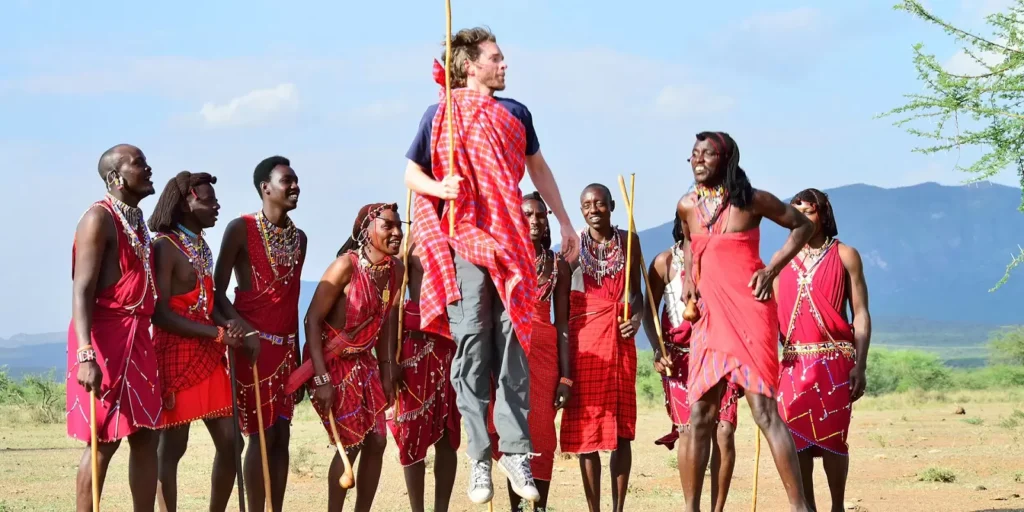
Are Tanzania Cultural Safaris Ethical?
Modern travelers increasingly ask an important question before booking cultural journeys: Are Tanzania cultural safaris ethical? Responsible tourism has become essential in today’s travel industry. Visitors want meaningful experiences that respect local communities and protect cultural heritage. Ethical cultural tourism ensures travelers enjoy authentic encounters while supporting the people who share their traditions.
Tanzania stands among Africa’s most culturally diverse destinations. More than 120 ethnic groups contribute to a rich cultural landscape filled with traditions, languages, art, music, and storytelling. Tanzania cultural safaris create opportunities to explore these traditions while building respectful relationships with local communities. However, ethical travel requires careful planning and responsible tour design.
Authentic cultural tours focus on genuine daily life rather than staged performances created solely for tourists. Ethical tourism encourages respectful engagement with communities. Travelers observe, learn, and participate in cultural activities that reflect real traditions. Communities maintain control over their cultural heritage while benefiting economically from tourism.
Firante Gorilla Treks designs Tanzania cultural safaris that prioritize authenticity, respect, and sustainability. The company partners with communities to ensure tourism supports cultural preservation rather than cultural exploitation. Every itinerary emphasizes meaningful interactions, educational experiences, and fair benefits for local residents.
Understanding Ethical Tourism in Tanzania Cultural Safaris
What Makes Tanzania Cultural Safaris Ethical?
Travelers planning meaningful cultural journeys often begin with an important question: Are Tanzania cultural safaris ethical experiences? Ethical cultural tourism focuses on respect, authenticity, and community benefit. Visitors interact with communities in ways that honor traditions while supporting local livelihoods.
Authentic Tanzania cultural safaris avoid staged performances that distort traditional lifestyles. Instead, visitors observe daily activities such as farming, craft making, cooking, and storytelling. These experiences reveal genuine aspects of local life rather than artificial displays created for entertainment.
Communities play an active role in ethical tourism. Local leaders organize cultural visits, guide visitors through villages, and share their traditions proudly. Tourism income supports schools, healthcare services, and community development projects. This partnership ensures cultural tourism benefits both visitors and residents.
Respectful Interaction with Local Communities
Ethical Tanzania cultural safaris encourage respectful behavior during cultural encounters. Travelers greet community members politely and dress modestly during village visits. Guides introduce visitors to cultural norms before entering communities.
Visitors listen attentively to local stories, traditions, and perspectives. Photography occurs only with permission. These practices demonstrate respect for community privacy and dignity.
Firante Gorilla Treks promotes ethical tourism principles throughout every Tanzania cultural safaris itinerary. Professional guides prepare travelers for responsible cultural interactions while ensuring communities feel comfortable sharing their traditions.
What Can I Expect in Tanzania Cultural Safaris?
Authentic Experiences During Tanzania Cultural Safaris
Travelers often ask a practical question while planning cultural travel: What can I expect in a Tanzania cultural safaris experience? Cultural safaris introduce visitors to everyday life within Tanzania’s diverse communities. These experiences focus on learning, connection, and cultural appreciation.
Visitors explore vibrant villages surrounded by farmland, forests, and mountains. Farmers demonstrate agricultural practices such as banana cultivation, rice farming, and livestock care. Artisans carve wooden sculptures, weave colorful baskets, and produce intricate beadwork.
Cultural hosts also introduce travelers to traditional cooking techniques. Visitors help prepare popular Tanzanian dishes including Ugali, Pilau rice, and Nyama Choma. These shared meals encourage conversations and friendships between visitors and local families.
Cultural Music, Dance, and Heritage
Music and dance play essential roles in Tanzania cultural safaris. Many communities celebrate cultural visits with energetic performances using traditional drums and rhythmic songs. These dances reflect historical events, community celebrations, and spiritual traditions.
Visitors often join these performances, creating joyful cultural exchanges. Cultural guides explain the meaning behind each dance movement and musical rhythm.
Storytelling sessions also form an important part of Tanzania cultural safaris. Elders share ancient legends, historical events, and wisdom passed through generations. These stories reveal the values and beliefs that shape Tanzanian communities.
What Are the Best Places in Tanzania for Tanzania Cultural Safaris?
Exploring Tanzania’s Top Cultural Destinations
Many travelers planning Tanzania cultural safaris ask a crucial question: What are the best places in Tanzania for Tanzania cultural safaris? Tanzania offers several exceptional cultural destinations where communities proudly share their traditions.
Each location reveals unique lifestyles, histories, and cultural practices that enrich the safari experience.
Mto wa Mbu Cultural Village
Mto wa Mbu stands among Tanzania’s most culturally diverse communities. The village lies near Lake Manyara National Park and hosts over one hundred ethnic groups. Travelers explore banana plantations, rice farms, and vibrant markets during guided cultural tours.
Local artisans demonstrate wood carving, painting, and weaving techniques. Visitors also learn about traditional cooking methods and agricultural practices.
Maasai Communities Around Ngorongoro
The Maasai people maintain one of East Africa’s most famous cultural identities. Tanzania cultural safaris often include visits to Maasai villages located near the Ngorongoro Conservation Area.
Visitors enter traditional homesteads called Manyattas built from natural materials. Elders explain pastoral traditions while warriors perform the iconic jumping dance known as Adumu.
Hadzabe Culture Near Lake Eyasi
The Hadzabe community represents one of the last hunter-gatherer societies in East Africa. Cultural visits near Lake Eyasi introduce travelers to ancient hunting techniques using bows and arrows.
Guides demonstrate bush survival skills and wildlife tracking methods that sustain the community.
Chagga Culture Around Mount Kilimanjaro
The Chagga people live on the fertile slopes of Mount Kilimanjaro. Cultural tours highlight coffee farming traditions, banana cultivation, and underground caves used during historical conflicts.
These destinations provide unforgettable cultural learning opportunities during Tanzania cultural safaris.
What Can I Pack for Tanzania Cultural Safaris?
Preparing for Cultural Exploration
Travel preparation often begins with a practical question: What can I pack for Tanzania cultural safaris? Packing thoughtfully ensures comfort while respecting cultural traditions.
Tanzania’s warm climate requires lightweight and breathable clothing. Travelers should also prepare for outdoor walking tours and village visits.
Essential packing items include:
- Comfortable walking shoes
- Lightweight long-sleeve shirts
- Modest clothing for community visits
- A wide-brimmed hat for sun protection
- Sunscreen and sunglasses
- A reusable water bottle
Cultural Sensitivity Through Clothing
Respectful attire plays an important role during Tanzania cultural safaris. Visitors should avoid revealing clothing when visiting traditional communities. Modest clothing demonstrates cultural awareness and respect.
Travelers may also bring small gifts such as school supplies for children. These gestures support community education programs and strengthen positive relationships.
Additional Travel Essentials
Experienced cultural travelers also pack:
- Insect repellent
- Personal medications
- Cameras for photography
- A lightweight backpack
Firante Gorilla Treks provides detailed packing guidance before each Tanzania cultural safaris journey begins.
How Much Are the Permits for Tanzania Cultural Safaris?
Understanding Cultural Tourism Fees
Travelers planning Tanzania cultural safaris often ask: How much are the permits required for cultural visits? Cultural tourism programs operate through community partnerships that support local development.
Village cultural tours usually cost between 20 and 60 US dollars per visitor. Fees vary depending on the destination, activities included, and time spent within the community.
Supporting Community Development
Tourism revenue from Tanzania cultural safaris supports several important initiatives:
- Local school programs
- Healthcare services
- Cultural heritage preservation
- Community infrastructure development
Responsible tourism ensures communities receive fair benefits from cultural tourism.
Firante Gorilla Treks works directly with local organizations to ensure tourism fees support genuine community projects.
The Accommodations: Where Do Travelers Stay During Tanzania Cultural Safaris?
Comfortable Lodges with Cultural Character
Accommodation plays a key role in shaping every Tanzania cultural safaris experience. Travelers stay in eco-lodges, boutique safari camps, and community guesthouses located near cultural destinations.
These accommodations combine comfort with traditional African design.
Typical features include:
- Spacious cottages or safari tents
- Local architectural styles
- Fresh regional cuisine
- Scenic landscapes surrounding the lodge
Cultural Experiences Around Safari Lodges
Many lodges supporting Tanzania cultural safaris offer additional cultural experiences nearby.
Visitors often participate in:
- Guided village walks
- Traditional cooking classes
- Coffee farm tours
- Craft workshops with local artisans
- Evening cultural dance performances
These activities allow travelers to explore culture beyond organized village visits.
Firante Gorilla Treks selects accommodations that actively support community tourism programs.
Can I Combine Uganda Cultural Safaris with Tanzania Cultural Safaris?
Expanding Cultural Exploration Across East Africa
Travelers planning extended journeys often ask: Can I combine Uganda cultural safaris with Tanzania cultural safaris? Combining these destinations creates one of Africa’s most diverse cultural travel experiences.
Uganda offers remarkable cultural encounters including Batwa forest community visits, Buganda Kingdom heritage tours, and traditional dance performances.
Tanzania cultural safaris introduce visitors to Maasai traditions, Hadzabe hunting lifestyles, and Chagga agricultural heritage.
Benefits of Multi-Country Cultural Travel
Travelers who combine these destinations enjoy:
- Greater cultural diversity
- Deeper historical understanding
- Unique landscapes and traditions
- Expanded East African travel experiences
Firante Gorilla Treks specializes in designing multi-country cultural safaris that connect Uganda and Tanzania seamlessly.
What Does Firante Gorilla Treks Offer You on Tanzania Cultural Safaris?
Authentic Cultural Experiences Led by Experts
Travelers often ask: What does Firante Gorilla Treks offer you on a Tanzania cultural safaris journey? The company designs immersive experiences that highlight authentic cultural interactions rather than staged performances.
Professional guides introduce travelers to farmers, artisans, storytellers, and village leaders who share their traditions proudly.
Unique Cultural Activities
Guests traveling with Firante Gorilla Treks enjoy:
- Maasai storytelling sessions
- Traditional cooking experiences with local families
- Cultural dance workshops
- Guided village market tours
- Artisan craft demonstrations
These experiences allow travelers to engage deeply with Tanzanian culture.
Why Choose Firante Gorilla Treks For Your Tanzania Cultural Safaris?
Trusted Expertise in Cultural Tourism
Travelers seeking ethical Tanzania cultural safaris value experience, credibility, and local knowledge. Firante Gorilla Treks has built a strong reputation for responsible cultural tourism across East Africa.
The company works closely with communities to ensure tourism remains respectful and sustainable.
Commitment to Responsible Tourism
Firante Gorilla Treks promotes ethical tourism through:
- Community partnerships
- Fair compensation for cultural hosts
- Cultural preservation programs
- Environmental sustainability practices
Personalized Cultural Safari Experiences
Each Tanzania cultural safaris itinerary reflects traveler interests and cultural curiosity. The company creates personalized travel experiences that combine wildlife adventures with authentic cultural encounters.
Visitors leave Tanzania with meaningful memories and deeper cultural understanding.
Conclusion: Why Ethical Tanzania Cultural Safaris Matter
Responsible tourism strengthens communities while enriching traveler experiences. Ethical Tanzania cultural safaris focus on genuine human connections rather than staged entertainment.
Visitors learn about traditions, share meals with families, and explore vibrant communities. These experiences create meaningful cultural exchanges that benefit both travelers and local residents.
Firante Gorilla Treks designs Tanzania cultural safaris that respect traditions while supporting sustainable development. Each journey reflects a commitment to authenticity, community partnership, and responsible travel.
Travelers seeking meaningful African adventures will discover that ethical Tanzania cultural safaris create unforgettable experiences while protecting the cultural heritage of Tanzania for future generations.