
What Happens During a Village Visit?
March 5, 2026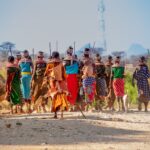
Are Cultural Visits Safe?
March 5, 2026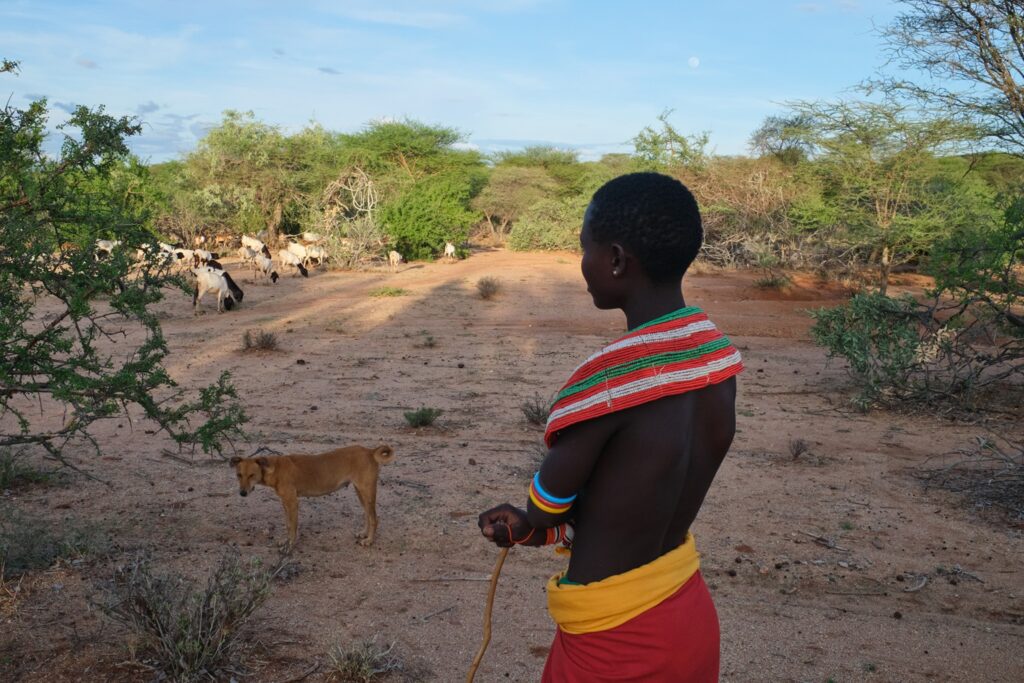
How Can I Support Local Communities?
Travel across Africa creates powerful opportunities for cultural discovery and responsible tourism. Kenya stands among the continent’s most culturally diverse destinations. More than forty ethnic communities protect traditions that reflect centuries of history, identity, and resilience. Visitors who participate in Kenya cultural safaris gain access to these vibrant cultures while supporting the people who preserve them.
Cultural tourism creates meaningful benefits for rural communities. When travelers choose ethical experiences, tourism revenue strengthens local livelihoods, education programs, cultural preservation, and conservation initiatives. Therefore, responsible travel becomes essential for protecting both culture and environment.
One of the most effective ways to contribute during Kenya cultural safaris involves supporting local artisans and community businesses. Purchasing handcrafted items directly from village artisans ensures that money reaches the families who create these cultural products. This simple action strengthens local economies and encourages cultural continuity.
Firante Gorilla Treks designs immersive Kenya cultural safaris that place community empowerment at the center of every experience. Travelers interact directly with artisans, farmers, cultural performers, and village guides. These interactions create authentic cultural exchange while supporting sustainable development.
This detailed guide explores the best ways travelers can support local communities during Kenya cultural safaris. It also highlights cultural experiences around safari lodges, responsible tourism practices, and expert insights from Firante Gorilla Treks.
Buying Handcrafted Items During Kenya Cultural Safaris
Buying handcrafted items represents one of the most direct ways travelers support communities during Kenya cultural safaris. Local artisans create unique cultural products that reflect centuries of artistic tradition. Each craft item carries cultural meaning, identity, and storytelling within its design.
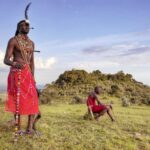
Many Kenyan communities specialize in different forms of craftsmanship. Maasai artisans produce colorful beadwork jewelry that represents beauty, age, and social status. Samburu women also create elaborate necklaces, bracelets, and decorative ornaments using vibrant beads.
Visitors on Kenya cultural safaris often explore village craft markets where artisans display handmade items. These markets offer authentic cultural products such as woven baskets, leather belts, carved wooden sculptures, and traditional fabrics.
Purchasing directly from artisans ensures that tourism income reaches local families rather than large retail outlets. This direct exchange strengthens local economies while preserving traditional craft skills.
Craft purchases also help communities maintain cultural pride. When visitors appreciate traditional craftsmanship, artisans continue producing heritage items that might otherwise disappear in modern economies.
Firante Gorilla Treks encourages responsible shopping during Kenya cultural safaris. Guides introduce travelers to trusted artisan groups and community craft centers.
Every purchase contributes to cultural preservation and community development.
Visiting Community Craft Centers on Kenya Cultural Safaris
Community craft centers provide excellent opportunities for travelers to support local economies during Kenya cultural safaris. These centers gather artisans from surrounding villages and create safe spaces to display and sell handmade products.
Many craft centers operate near safari lodges and national parks. For example, Maasai craft cooperatives near the Maasai Mara offer beautiful beadwork and cultural ornaments. Samburu craft markets near Samburu National Reserve also feature vibrant jewelry and decorative household items.
Visitors during Kenya cultural safaris can watch artisans create these crafts in real time. This experience provides deeper appreciation for the skill, patience, and creativity required to produce each item.
Craft demonstrations often include beadwork weaving, basket making, leather crafting, and wood carving. Artisans explain how natural materials such as grasses, beads, leather, and wood transform into finished products.
Purchasing items directly from these centers ensures fair income for artisans. Many cooperatives reinvest profits into education programs, healthcare support, and women’s empowerment projects.
Firante Gorilla Treks partners with ethical craft cooperatives throughout Kenya. These partnerships ensure that Kenya cultural safaris contribute to genuine community development.
Travelers leave with beautiful souvenirs while supporting families and preserving traditional arts.
Cultural Experiences Around Safari Lodges During Kenya Cultural Safaris
Many safari lodges collaborate closely with nearby communities to create immersive cultural experiences during Kenya cultural safaris. These partnerships allow travelers to explore authentic traditions while supporting local development projects.
Lodges in the Maasai Mara region often organize guided visits to Maasai villages. Guests watch traditional dances, explore manyattas, and learn about pastoral lifestyles. Visitors also participate in beadwork workshops led by local women artisans.
Samburu lodges provide similar experiences that highlight northern Kenyan culture. Travelers observe traditional ceremonies, livestock management practices, and cultural storytelling sessions with village elders.
Some eco-lodges near Lake Turkana or Marsabit introduce visitors to Turkana and Rendille communities. Guests witness camel herding demonstrations and learn about desert survival skills.
Cooking experiences also enrich Kenya cultural safaris around safari lodges. Travelers learn how local families prepare traditional meals using natural ingredients and open-fire cooking techniques.
Craft workshops, music performances, and nature walks guided by local experts also form part of these cultural programs.
Firante Gorilla Treks selects safari lodges that actively support community partnerships. These collaborations ensure that Kenya cultural safaris generate meaningful economic benefits for surrounding villages.
Supporting Women’s Cooperatives During Kenya Cultural Safaris
Women’s cooperatives play a vital role in many communities across Kenya. These groups create handicrafts, manage small businesses, and lead community development initiatives. Supporting these cooperatives represents a powerful way travelers contribute during Kenya cultural safaris.
Many Maasai and Samburu women form craft cooperatives that produce beadwork jewelry, handbags, belts, and decorative accessories. These groups share resources, training, and profits among members.
Visitors on Kenya cultural safaris often visit cooperative workshops where women demonstrate craft techniques. Guests observe how beads transform into colorful necklaces and bracelets that reflect cultural identity.
Purchasing crafts from these cooperatives provides income for families while empowering women economically. Many cooperatives invest profits into school fees, healthcare services, and community infrastructure.
Some women’s groups also organize cultural performances and storytelling sessions for visiting travelers. These activities highlight women’s leadership within cultural tourism.
Firante Gorilla Treks actively supports these initiatives during Kenya cultural safaris. Guides introduce travelers to ethical cooperatives where purchases create genuine social impact.
Supporting women artisans strengthens entire communities and preserves traditional craftsmanship.
What Can I Expect in a Kenya Cultural Safaris Experience?
Travelers exploring Kenya cultural safaris often seek meaningful cultural engagement rather than simple sightseeing. Village visits provide immersive experiences that reveal authentic lifestyles and traditions.
Guests participate in traditional dances that celebrate cultural heritage and storytelling. These performances showcase colorful attire, rhythmic movements, and energetic music.
Village tours introduce traditional homes called manyattas. Visitors learn how families build these structures using natural materials.
Craft demonstrations reveal beadwork production, weaving techniques, and wood carving skills. Guests often purchase souvenirs directly from artisans.
Nature walks guided by local experts also highlight indigenous knowledge of plants, wildlife tracking, and herbal medicine.
Cultural storytelling sessions provide historical insight into community traditions and values.
These activities create educational and enriching Kenya cultural safaris experiences for travelers seeking deeper cultural understanding.
What Are the Best Places in Kenya for Kenya Cultural Safaris?
Kenya offers numerous destinations for immersive Kenya cultural safaris. The Maasai Mara region remains one of the most accessible cultural tourism destinations.
Visitors combine wildlife safaris with Maasai village visits and cultural ceremonies.
Samburu National Reserve also provides exceptional cultural experiences with the Samburu community. These pastoral societies maintain vibrant traditions and artistic expression.
Lake Turkana offers remote cultural exploration among Turkana communities. This region blends dramatic landscapes with unique cultural encounters.
Marsabit presents opportunities to visit Rendille camel-herding communities that thrive in desert environments.
The Rift Valley region hosts Pokot communities known for agricultural traditions and colorful dances.
Firante Gorilla Treks carefully designs Kenya cultural safaris itineraries that connect these destinations into enriching cultural journeys.
How Much Are the Permits for Kenya Cultural Safaris?
Travelers often ask about the costs involved in Kenya cultural safaris village visits. Cultural entry fees usually support community development initiatives.
Most villages charge between $20 and $60 per traveler for guided cultural experiences. This fee typically includes dance performances, village tours, and craft demonstrations.
Some safari lodges include cultural activities within their accommodation packages. These arrangements provide convenient access to nearby communities.
Community conservancies also operate cultural tourism programs that support conservation and local livelihoods.
Firante Gorilla Treks maintains transparent pricing for all Kenya cultural safaris cultural experiences.
Visitors enjoy meaningful interactions while contributing to sustainable community development.
What Can I Pack for Kenya Cultural Safaris?
Packing appropriately enhances comfort during Kenya cultural safaris.
Travelers should bring lightweight clothing suitable for warm climates. Long-sleeve shirts and trousers provide sun protection and modest coverage.
Comfortable walking shoes support village tours and cultural walks.
A wide-brim hat and sunscreen protect against strong equatorial sunlight.
Visitors should also pack modest clothing that covers shoulders and knees when visiting traditional communities.
Reusable water bottles help maintain hydration throughout cultural activities.
Travelers may also bring small gifts such as school supplies for community programs, though organized donations work best.
A camera helps capture memories during Kenya cultural safaris, but visitors should always request permission before photography.
The Accommodations During Kenya Cultural Safaris
Accommodation options significantly influence Kenya cultural safaris experiences.
Luxury lodges in Maasai Mara offer comfortable access to Maasai villages and cultural programs.
Samburu lodges provide immersive encounters with northern pastoral communities.
Eco-lodges near Lake Turkana deliver unique cultural experiences within remote desert landscapes.
Community-run camps also offer authentic hospitality and cultural immersion.
Firante Gorilla Treks carefully selects accommodations that combine comfort, sustainability, and community partnerships during Kenya cultural safaris.
Can I Combine Uganda Cultural Safaris with Kenya Cultural Safaris?
Many travelers combine Kenya cultural safaris with cultural experiences in Uganda.
Uganda offers fascinating communities such as the Batwa forest people and Karamojong pastoralists. These groups provide unique cultural contrasts to Kenyan tribes.
Travelers may also combine gorilla trekking in Uganda with Kenya’s wildlife and cultural safaris.
Firante Gorilla Treks specializes in cross-border itineraries across East Africa. Expert planners coordinate flights, accommodations, and cultural experiences seamlessly.
This combination creates a diverse African journey that expands cultural understanding.
What Does Firante Gorilla Treks Offer You on Kenya Cultural Safaris?
Firante Gorilla Treks delivers expertly designed Kenya cultural safaris that prioritize authentic cultural engagement.
The company collaborates closely with communities to create immersive cultural experiences.
Professional guides provide deep cultural interpretation that enriches village visits.
Customized itineraries allow travelers to combine wildlife safaris, cultural exploration, and adventure activities.
Responsible tourism initiatives ensure that cultural visits support community education and conservation.
Each Kenya cultural safaris itinerary reflects strong commitment to sustainable tourism.
Why Choose Firante Gorilla Treks For Your Kenya Cultural Safaris?
Travelers seeking authentic Kenya cultural safaris require experienced and responsible tour operators.
Firante Gorilla Treks maintains strong partnerships with Maasai, Samburu, Turkana, Rendille, and Pokot communities.
Expert guides provide meaningful cultural insights that transform village visits into educational experiences.
Customized itineraries allow travelers to explore Kenya and East Africa with flexibility.
Responsible tourism initiatives ensure that community development remains central to every journey.
Choosing Firante Gorilla Treks guarantees that Kenya cultural safaris become powerful cultural experiences that support local communities and preserve African heritage.
