Are Tanzania Cultural Safaris Ethical?
March 10, 2026
What Are the Rules for Safari in Tanzania?
March 10, 2026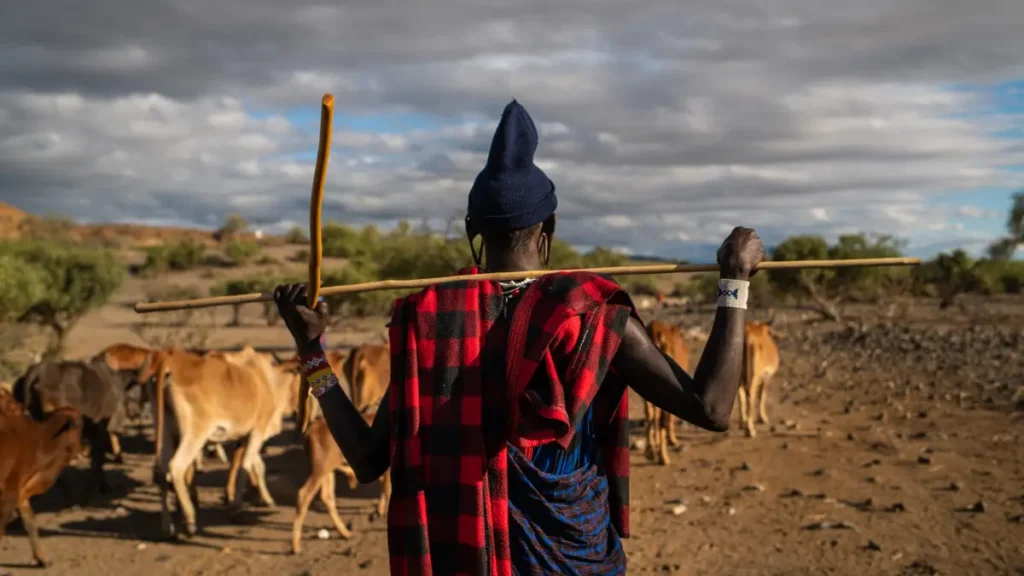
What Are the Challenges Facing Cultural Tourism in Tanzania?
Cultural tourism continues to shape the global travel industry. Tanzania stands among Africa’s most culturally rich destinations. The country holds over 120 ethnic communities. Each community preserves unique traditions, languages, crafts, and lifestyles. These elements create powerful attractions for travelers seeking authentic experiences. Many visitors now travel beyond wildlife safaris. They seek human connections, living traditions, and community engagement. Tanzania cultural safaris answer this growing demand.
Travelers explore villages, markets, traditional ceremonies, and heritage landscapes. They learn local farming methods, cooking traditions, and storytelling practices. Cultural encounters offer deeper travel meaning. They allow visitors to understand African identity beyond wildlife parks. Firante Gorilla Treks recognizes the growing interest in these experiences. The company designs meaningful cultural journeys across Tanzania.
However, cultural tourism development in Tanzania faces several barriers. These obstacles affect communities, conservation, and visitor satisfaction. Strong tourism planning must address revenue leakage, environmental pressure, poor infrastructure, limited research, weak statistics, and cultural erosion. These challenges influence the long-term sustainability of Tanzania cultural safaris.
Firante Gorilla Treks believes responsible tourism can overcome these obstacles. Careful planning protects cultural heritage and strengthens community livelihoods. Tourism operators must support local communities while protecting traditions and environments. Cultural tourism must also deliver educational value to visitors.
This detailed guide explores the major challenges facing cultural tourism in Tanzania. The article also highlights opportunities, solutions, and meaningful cultural experiences. Travelers will discover how Tanzania cultural safaris work and how Firante Gorilla Treks creates responsible travel experiences across East Africa.
The Importance of Cultural Tourism in Tanzania Cultural Safaris
Why Cultural Heritage Matters for Tourism Development
Tanzania cultural safaris attract travelers who seek deeper connections with Africa. Wildlife remains important. However, culture creates emotional and educational experiences that wildlife alone cannot provide. Cultural tourism allows visitors to learn about traditional lifestyles, ancestral beliefs, and social systems.
Tanzania offers rich cultural diversity across its regions. The Maasai communities in northern Tanzania preserve pastoral traditions and colorful attire. The Hadzabe hunter-gatherers around Lake Eyasi practice one of the oldest survival lifestyles on earth. The Chagga people near Mount Kilimanjaro maintain ancient irrigation systems and coffee farming practices. The Sukuma communities around Lake Victoria showcase music, dance, and agricultural heritage.
These cultural landscapes enrich Tanzania cultural safaris. Visitors participate in storytelling sessions, traditional dances, craft workshops, and local cooking lessons. Travelers gain a deeper understanding of African societies.
Cultural tourism also supports local development. Community tourism projects generate employment opportunities. Villagers earn income through guiding services, handicrafts, accommodation, and cultural performances. Tourism income improves education, healthcare, and infrastructure in rural areas.
Firante Gorilla Treks promotes ethical cultural engagement. The company works closely with local communities. This collaboration ensures tourism benefits remain within villages. Responsible cultural tourism preserves traditions while improving livelihoods.
Despite these benefits, several challenges affect the growth of Tanzania cultural safaris. Addressing these challenges remains essential for long-term tourism success.
Revenue Leakage and Its Impact on Tanzania Cultural Safaris
Revenue leakage remains one of the major challenges affecting Tanzania cultural safaris. Tourism generates significant income each year. However, a large percentage of this revenue leaves the local economy.
Many international tour operators manage bookings from outside Tanzania. These companies collect payments abroad. Only a small portion reaches local service providers. This structure limits economic benefits for communities hosting cultural tourism.
Foreign ownership of lodges and tourism businesses increases this problem. International companies often import food supplies, equipment, and management staff. Local communities receive fewer opportunities to participate in tourism value chains.
Cultural villages sometimes receive minimal payments for visitor experiences. Communities perform dances or demonstrations while earning very small fees. Such arrangements reduce motivation to preserve traditions.
Firante Gorilla Treks addresses revenue leakage through community partnerships. The company prioritizes locally owned accommodations and guides. Cultural programs include fair compensation agreements with villages. Tourism income flows directly into community development initiatives.
Responsible tourism companies must ensure transparency in revenue distribution. Travelers should choose ethical tour operators. Such choices strengthen sustainable tourism.
Tanzania cultural safaris can generate stronger local impact. Fair revenue systems empower communities to protect cultural heritage. Tourism must work as a tool for economic empowerment rather than external profit extraction.
Environmental Pressures Around Cultural Tourism Destinations
Environmental degradation threatens many cultural tourism areas in Tanzania. Cultural villages often sit near fragile ecosystems. Increasing visitor numbers create pressure on natural resources.
Tourism development sometimes leads to deforestation. Communities clear land to build lodges, camps, and visitor facilities. This activity damages wildlife habitats and traditional farming areas. Water consumption also increases as tourism infrastructure expands.
Waste management remains another environmental concern. Plastic waste from tourism facilities affects rural landscapes. Poor waste disposal damages water sources used by local communities.
Traditional lifestyles rely heavily on natural resources. Environmental damage therefore affects both culture and livelihoods. For example, pastoral communities depend on healthy grazing land. Forest communities rely on plants for medicine and food.
Firante Gorilla Treks promotes environmentally responsible Tanzania cultural safaris. The company supports eco-friendly accommodations and low-impact tourism activities. Cultural tours encourage walking, cycling, and traditional transport.
Visitors learn about conservation during cultural experiences. Communities share indigenous environmental knowledge with travelers. These lessons strengthen respect for African ecological traditions.
Protecting natural landscapes supports both wildlife and cultural heritage. Sustainable tourism must respect ecosystems that sustain community life.
Infrastructure Challenges Affecting Tanzania Cultural Safaris
Infrastructure gaps present another barrier to Tanzania cultural safaris. Many cultural tourism areas exist in remote rural regions. These regions often lack reliable roads, electricity, and communication networks.
Poor road conditions create long travel times for visitors. Access to cultural villages becomes difficult during rainy seasons. Transport costs increase for tour operators and travelers.
Limited electricity affects accommodation development. Many cultural tourism destinations rely on basic facilities. While rustic experiences attract some travelers, others require modern comfort levels.
Internet connectivity also affects tourism promotion. Cultural tourism projects struggle to reach global audiences without strong digital access. Online booking systems remain difficult to implement in remote regions.
Healthcare services also remain limited in rural tourism areas. Travelers often consider safety when choosing destinations. Reliable medical facilities increase traveler confidence.
Firante Gorilla Treks carefully designs Tanzania cultural safaris to manage infrastructure limitations. The company selects accommodations that balance comfort with authentic experiences. Logistics planning ensures smooth travel even in remote regions.
Government investment in rural infrastructure would greatly improve cultural tourism growth. Improved roads, electricity, and communication systems support both tourism and local development.
Infrastructure development strengthens visitor experiences while improving living standards for local communities.
The Problem of Limited Research and Tourism Data
Tourism planning requires reliable information. Unfortunately, cultural tourism in Tanzania lacks strong research and statistical data. Many cultural tourism projects operate without proper visitor tracking or impact assessment.
Limited data makes it difficult to evaluate tourism benefits for communities. Government agencies struggle to measure cultural tourism growth accurately. Tourism planners cannot identify trends or visitor preferences without strong statistics.
Academic research on cultural tourism also remains limited. Few studies examine the economic impact of Tanzania cultural safaris. Research also rarely explores cultural preservation outcomes.
Without proper research, tourism policies remain weak. Development plans may fail to address community needs or environmental concerns.
Firante Gorilla Treks contributes to cultural tourism knowledge through responsible reporting and field experience. The company monitors visitor experiences, community engagement, and cultural program outcomes. This information helps improve future Tanzania cultural safaris.
Stronger collaboration between universities, tourism boards, and tour operators could improve research capacity. Cultural tourism requires continuous learning and evaluation.
Reliable tourism statistics support sustainable decision-making. Better data helps Tanzania develop stronger cultural tourism strategies.
Cultural Erosion and the Risk of Losing Traditions
Cultural tourism aims to preserve traditions. However, poorly managed tourism sometimes causes cultural erosion. Communities may change traditions to satisfy tourist expectations.
Performances may lose authenticity when villages stage dances purely for entertainment. Cultural practices may transform into commercial activities without cultural meaning.
Young generations sometimes abandon traditional lifestyles due to modernization and tourism influence. Tourism income can encourage communities to adopt foreign lifestyles. This shift weakens traditional knowledge systems.
Cultural identity requires careful protection. Communities must control how tourism presents their traditions. Tourism must respect cultural values rather than reshape them.
Firante Gorilla Treks supports authentic cultural experiences during Tanzania cultural safaris. The company works with community leaders to ensure respectful visitor engagement. Cultural activities reflect real traditions rather than staged performances.
Education also helps preserve traditions. Visitors learn about the historical meaning of ceremonies, crafts, and social practices. Cultural tourism should celebrate heritage rather than exploit it.
Protecting authenticity strengthens the long-term value of Tanzania cultural safaris.
What Can Travelers Expect in Tanzania Cultural Safaris?
Tanzania cultural safaris offer immersive travel experiences. Visitors interact with communities and learn traditional lifestyles. These journeys often include village visits, storytelling sessions, craft demonstrations, and traditional cooking lessons.
Travelers may spend time with Maasai pastoralists in northern Tanzania. Visitors observe cattle herding practices and traditional homestead design. Cultural guides explain the significance of Maasai beadwork, clothing, and social structures.
Lake Eyasi offers unique experiences with the Hadzabe hunter-gatherers. Visitors join early morning hunting trips and learn ancient survival skills. These encounters reveal one of the world’s oldest living cultures.
Mount Kilimanjaro regions introduce travelers to Chagga cultural heritage. Visitors explore underground caves, coffee farms, and irrigation channels built centuries ago.
Cultural safaris also include music, dance, and storytelling traditions. These performances celebrate community identity and historical memory.
Firante Gorilla Treks organizes these experiences with strong cultural respect. The company prioritizes authentic engagement rather than superficial entertainment.
Tanzania cultural safaris allow travelers to connect with Africa’s living heritage. Visitors leave with deeper knowledge and meaningful memories.
What Are the Best Places in Tanzania for Tanzania Cultural Safaris?
Several regions provide exceptional opportunities for Tanzania cultural safaris. Northern Tanzania offers some of the most accessible cultural destinations.
The Lake Eyasi region introduces visitors to the Hadzabe and Datoga communities. These groups maintain unique lifestyles that attract cultural explorers from around the world.
The Ngorongoro Conservation Area features Maasai cultural experiences. Visitors learn about pastoral traditions and conservation partnerships.
The slopes of Mount Kilimanjaro showcase Chagga heritage. Travelers explore coffee farms, local markets, and historical caves.
Lake Victoria regions highlight Sukuma culture through music, dance, and agricultural traditions. Coastal regions reveal Swahili cultural history influenced by centuries of trade.
Each destination adds depth to Tanzania cultural safaris. Cultural diversity enriches visitor understanding of African societies.
Firante Gorilla Treks designs customized itineraries across these cultural regions. Travelers experience multiple communities during one journey.
What Can I Pack for Tanzania Cultural Safaris?
Packing wisely improves cultural safari experiences. Tanzania cultural safaris often include village walks and outdoor activities.
Comfortable walking shoes remain essential. Lightweight clothing suits Tanzania’s warm climate. Visitors should also pack modest clothing for respectful village visits.
Sun protection items such as hats and sunscreen help during outdoor activities. Reusable water bottles reduce plastic waste during cultural tours.
Travelers should also carry cameras to document cultural experiences. However, visitors must request permission before photographing local people.
Small gifts for communities sometimes enhance cultural exchange. Educational supplies or school materials often support local villages.
Firante Gorilla Treks provides detailed packing guidance for each Tanzania cultural safaris itinerary. Proper preparation ensures smooth and respectful travel experiences.
How Much Are the Permits for Cultural Experiences?
Many cultural tourism experiences require community entry fees. These fees support village development projects. Cultural permits vary depending on the location and activities involved.
Village tours often include guiding services, cultural performances, and craft demonstrations. Fees typically support community schools, healthcare programs, and cultural preservation initiatives.
Firante Gorilla Treks ensures transparent fee structures during Tanzania cultural safaris. Visitors understand how their contributions support local communities.
Responsible tourism payments strengthen cultural heritage protection.
The Accommodations During Tanzania Cultural Safaris
Tanzania cultural safaris offer a variety of accommodation options. Travelers may stay in eco-lodges, community guesthouses, or luxury safari camps.
Eco-lodges often integrate local architecture and sustainable design. Community lodges allow deeper cultural immersion.
Luxury safari lodges combine comfort with cultural exploration. Many properties organize village visits and cultural workshops for guests.
Firante Gorilla Treks selects accommodations that respect local culture and environmental sustainability. These properties support community employment and cultural preservation.
Can I Combine Uganda Cultural Safaris with Tanzania Cultural Safaris?
Many travelers combine Tanzania cultural safaris with Uganda cultural safaris. This combination offers deeper insight into East African traditions.
Uganda provides cultural experiences with the Batwa forest communities, Baganda kingdom heritage, and Karamojong pastoral traditions. Travelers also combine these cultural visits with gorilla trekking adventures.
Firante Gorilla Treks specializes in multi-country cultural itineraries. Travelers explore Tanzania’s diverse cultures before continuing to Uganda’s heritage landscapes.
This regional approach creates richer travel experiences across East Africa.
Why Choose Firante Gorilla Treks for Your Tanzania Cultural Safaris?
Firante Gorilla Treks stands as a trusted African tour operator. The company focuses on authentic cultural experiences and responsible tourism practices.
The team works closely with community leaders and cultural organizations. Every Tanzania cultural safaris itinerary supports local development and cultural preservation.
Firante Gorilla Treks provides experienced cultural guides who understand local traditions. Travelers receive deep cultural interpretation rather than simple village tours.
The company also promotes ethical tourism standards across East Africa. Cultural tourism must benefit communities while protecting heritage.
Travelers seeking meaningful African experiences trust Firante Gorilla Treks for expertly designed cultural journeys.
Conclusion: Building a Strong Future for Tanzania Cultural Safaris
Tanzania cultural safaris offer extraordinary opportunities for meaningful travel. Cultural tourism connects visitors with Africa’s diverse communities and traditions. These experiences support local economies and cultural preservation.
However, several challenges continue to affect the sector. Revenue leakage, environmental damage, infrastructure gaps, limited research, and cultural erosion require urgent attention. Sustainable tourism strategies must address these issues.
Responsible tour operators like Firante Gorilla Treks play an important role in shaping the future of cultural tourism. Ethical partnerships with communities ensure fair income distribution and cultural protection.
Travelers also influence tourism sustainability. Choosing responsible operators strengthens positive tourism impact.
Tanzania cultural safaris will continue to grow as global travelers seek authentic experiences. With proper management and community empowerment, cultural tourism will remain a powerful force for heritage preservation and economic development across Tanzania and East Africa.