
What Is the Etiquette for Visiting Villages?
March 5, 2026
How Can I Support Local Communities?
March 5, 2026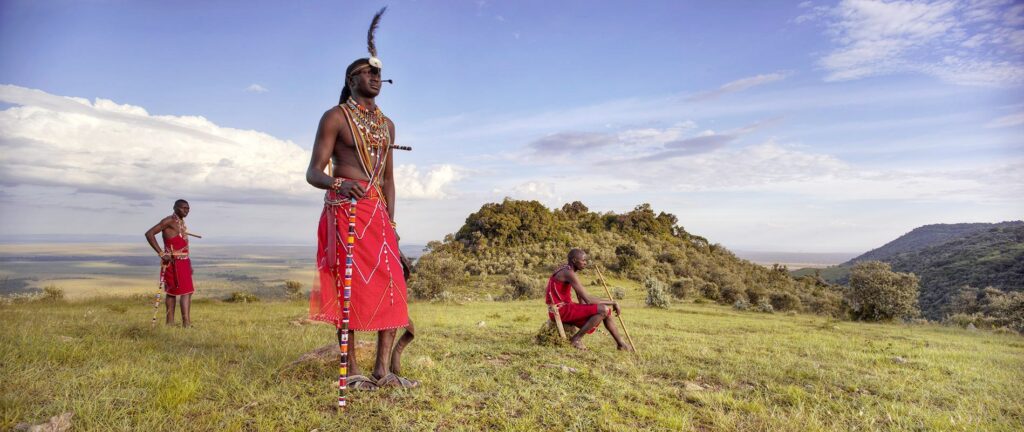
What Happens During a Village Visit?
Travel across Kenya offers more than wildlife encounters and scenic landscapes. The country presents a vibrant cultural heritage shaped by diverse ethnic communities. Visitors seeking deeper understanding of Africa’s traditions often choose Kenya cultural safaris because these journeys create direct connections with local people. Cultural tourism transforms an ordinary safari into a meaningful exploration of heritage, identity, and community life.
Village visits form one of the most powerful highlights of Kenya cultural safaris. Travelers enter traditional settlements where families maintain customs that have shaped generations. These experiences reveal authentic lifestyles, traditional homes, social structures, ceremonies, and artistic traditions. Visitors gain a rare opportunity to witness everyday activities that define rural Kenyan communities.
A typical cultural visit includes welcoming ceremonies, traditional dances, storytelling sessions, and guided tours of village homes known as manyattas. Visitors also observe traditional fire-making techniques and craft production. Most importantly, guests interact directly with community members who share knowledge about culture and daily life.
Firante Gorilla Treks designs responsible and immersive Kenya cultural safaris that respect local traditions while creating meaningful experiences for travelers. Each village visit promotes cultural preservation while supporting local economies.
This comprehensive guide explores the authentic activities that define village visits during Kenya cultural safaris. It also highlights cultural experiences near safari lodges, travel preparation tips, and expert insights from Firante Gorilla Treks.
Welcoming Ceremonies During Kenya Cultural Safaris
Village visits during Kenya cultural safaris often begin with a vibrant welcome ceremony. Community members greet visitors with traditional music, songs, and energetic dance performances. These celebrations create a warm atmosphere while introducing travelers to local cultural identity.
The welcoming dances hold symbolic meaning within many Kenyan communities. Maasai warriors perform the famous jumping dance known as Adumu. Samburu communities also perform rhythmic dances that showcase colorful clothing and beadwork decorations. These performances highlight pride in cultural heritage and community unity.
Visitors actively participate in these ceremonies during Kenya cultural safaris. Guides encourage guests to join the dances and learn simple rhythmic movements. This participation breaks cultural barriers and creates joyful interactions between travelers and villagers.
Welcoming ceremonies also introduce guests to community leaders and elders. These respected individuals often guide cultural activities and provide deeper insights into traditions. Their presence reflects the importance of leadership and wisdom in village life.
Music instruments also enhance these welcoming moments. Drums, rattles, and vocal chants create vibrant rhythms that energize the celebration. Each sound carries cultural meaning that reflects community history and identity.
Firante Gorilla Treks ensures that every Kenya cultural safaris village visit begins with respectful introductions. This approach strengthens trust between visitors and host communities while creating unforgettable first impressions.
Exploring Traditional Homes (Manyattas) on Kenya Cultural Safaris
A key highlight of Kenya cultural safaris involves exploring traditional homes known as manyattas. These structures represent more than shelter. They reveal cultural identity, environmental adaptation, and social organization within many Kenyan communities.
Women usually construct manyattas using natural materials such as mud, wood, grass, and cow dung. These materials provide insulation against heat while blending naturally with the surrounding environment. The building process demonstrates remarkable knowledge of local resources.
During Kenya cultural safaris, visitors enter manyattas to observe how families organize their living spaces. The interior often contains simple sleeping areas, cooking spaces, and storage sections. Despite modest structures, these homes support strong family bonds and communal lifestyles.
Guides explain how village layouts reflect social organization. Families build homes within enclosed compounds that protect livestock and strengthen security. Cattle, goats, and sheep often remain central to village life because they provide food, wealth, and cultural identity.
Visitors also learn about gender roles within the household. Women manage home construction, cooking, and childcare. Men typically focus on livestock herding, community leadership, and external responsibilities.
Exploring manyattas during Kenya cultural safaris offers deep insight into daily routines and survival strategies. These experiences help travelers appreciate the resilience and resourcefulness of traditional communities.
Firante Gorilla Treks carefully organizes these visits to ensure respectful entry into family homes while preserving cultural dignity.
Learning Traditional Fire-Making Skills on Kenya Cultural Safaris
Fire-making demonstrations remain one of the most fascinating activities during Kenya cultural safaris village visits. Many communities still use traditional techniques that rely on natural materials and ancestral knowledge. These demonstrations highlight survival skills developed over centuries.
Local guides often demonstrate the friction method of fire creation. This technique uses wooden sticks and dry grass to produce heat and sparks. The process requires patience, skill, and practice. Visitors observe how experienced community members create fire within minutes.
Fire holds deep cultural significance within many African communities. It provides warmth, protection, and the ability to cook food. Fire also plays a symbolic role during ceremonies and social gatherings.
During Kenya cultural safaris, visitors sometimes attempt fire-making themselves under guidance from local experts. This hands-on experience helps travelers understand the effort required for daily survival in traditional settings.
Fire-making demonstrations also illustrate environmental awareness. Communities gather sustainable materials from surrounding landscapes without harming ecosystems. This practice reflects traditional conservation knowledge that modern societies often overlook.
Firante Gorilla Treks incorporates these educational activities into every Kenya cultural safaris itinerary. Travelers gain practical understanding of ancestral survival techniques while enjoying engaging cultural experiences.
These demonstrations transform village visits into memorable learning opportunities.
Interacting With Community Members During Kenya Cultural Safaris
Direct interaction with community members represents the most rewarding aspect of Kenya cultural safaris. These conversations allow travelers to learn about daily life, cultural values, and personal stories that define each community.
Village guides introduce visitors to artisans, farmers, herders, and elders. Each individual contributes unique knowledge about traditions and survival strategies. These conversations create authentic cultural exchange rather than staged tourism experiences.
Visitors often observe craft-making activities during Kenya cultural safaris. Women create intricate beadwork jewelry, woven baskets, and decorative textiles. Artisans explain how these crafts express identity, beauty, and cultural symbolism.
Children also bring energy and curiosity to village visits. Young community members often share school experiences and daily routines. These interactions create joyful cultural connections that travelers remember long after their safari.
Elders hold particularly valuable knowledge about history and traditions. They explain cultural ceremonies, rites of passage, and social values that shape community life. Their wisdom provides deeper understanding of cultural continuity.
Firante Gorilla Treks encourages respectful engagement during Kenya cultural safaris. Guides help travelers ask thoughtful questions while maintaining cultural sensitivity.
These meaningful interactions transform village visits into powerful cultural experiences that expand global understanding.
What Can I Expect in a Kenya Cultural Safaris Experience?
Travelers planning cultural journeys often ask what experiences define Kenya cultural safaris. Village visits typically include a combination of educational and interactive activities that reveal authentic lifestyles.
Visitors watch traditional dance performances that celebrate cultural identity and storytelling. These dances often accompany ceremonies, weddings, and community gatherings.
Guided tours through village compounds reveal manyattas, livestock enclosures, and communal spaces. Travelers learn how families organize daily life around livestock care and agriculture.
Craft demonstrations introduce beadwork production, basket weaving, leather crafting, and pottery creation. Guests often purchase handmade souvenirs that support local artisans.
Nature walks with local guides reveal indigenous knowledge about plants, wildlife tracking, and herbal medicine. These walks highlight traditional environmental knowledge.
Food tasting also forms part of some Kenya cultural safaris experiences. Visitors sample local dishes prepared with traditional cooking methods.
Each activity helps travelers understand how culture, environment, and survival connect within rural Kenyan communities.
What Are the Best Places in Kenya for Kenya Cultural Safaris?
Kenya offers several outstanding destinations for immersive Kenya cultural safaris. The Maasai Mara region remains the most accessible cultural destination. Visitors combine wildlife safaris with Maasai village experiences and traditional ceremonies.
Samburu National Reserve provides another exceptional cultural safari destination. The surrounding Samburu communities maintain vibrant pastoral traditions that reflect northern Kenya lifestyles.
Lake Turkana presents a remote but fascinating destination where travelers encounter Turkana communities and desert landscapes.
Marsabit also offers opportunities to visit Rendille camel-herding communities. These nomadic cultures provide unique perspectives on survival in arid environments.
The Rift Valley region hosts Pokot communities known for agricultural traditions and vibrant dances.
Firante Gorilla Treks carefully designs Kenya cultural safaris itineraries that connect these regions into enriching travel experiences.
How Much Are the Permits for Kenya Cultural Safaris?
Travelers often ask about the cost of village visits during Kenya cultural safaris. Cultural entrance contributions support community projects and cultural preservation programs.
Most villages charge between $20 and $60 per traveler. This contribution typically includes guided tours, dance performances, and craft demonstrations.
Certain safari lodges include cultural experiences within accommodation packages. These programs provide convenient access to nearby villages.
Community conservancies also operate cultural tourism programs that support wildlife conservation and local development.
Firante Gorilla Treks ensures transparent pricing for every Kenya cultural safaris cultural experience.
Visitors enjoy authentic cultural encounters while supporting sustainable tourism initiatives.
What Can I Pack for Kenya Cultural Safaris?
Packing appropriately enhances comfort and respect during Kenya cultural safaris village visits.
Travelers should bring lightweight clothing suitable for warm climates. Long-sleeve shirts and trousers provide sun protection and modest coverage.
Comfortable walking shoes support village tours and cultural walks.
A wide-brim hat and sunscreen protect travelers from strong equatorial sunlight.
Visitors should pack modest clothing that covers shoulders and knees when visiting traditional communities.
A reusable water bottle helps maintain hydration during cultural activities.
Travelers may also bring small gifts such as school supplies for community programs, though organized donations remain preferable.
A camera helps document memorable experiences during Kenya cultural safaris, but travelers must request permission before photography.
The Accommodations During Kenya Cultural Safaris
Accommodation choices strongly influence the quality of Kenya cultural safaris experiences.
Luxury lodges in Maasai Mara provide convenient access to Maasai villages while offering world-class safari comfort.
Samburu lodges allow travelers to interact closely with northern pastoral communities. Many properties support local schools and conservation initiatives.
Eco-lodges near Lake Turkana or Marsabit deliver immersive cultural experiences in remote landscapes.
Community-run camps also offer authentic village hospitality. Guests participate directly in daily cultural activities.
Firante Gorilla Treks carefully selects accommodations that combine comfort, authenticity, and sustainability during Kenya cultural safaris.
Can I Combine Uganda Cultural Safaris with Kenya Cultural Safaris?
Many travelers choose to combine Kenya cultural safaris with cultural experiences in Uganda. This combination creates a rich East African cultural journey.
Uganda offers fascinating communities such as the Batwa forest people and Karamojong pastoralists. These cultures provide unique contrasts to Kenyan traditions.
Travelers may also combine gorilla trekking in Uganda with Kenya’s wildlife and cultural experiences.
Firante Gorilla Treks specializes in cross-border itineraries across East Africa. Expert planners coordinate logistics, accommodations, and cultural tours.
This combination transforms Kenya cultural safaris into a broader African exploration.
What Does Firante Gorilla Treks Offer You on Kenya Cultural Safaris?
Firante Gorilla Treks designs immersive Kenya cultural safaris that prioritize authenticity, cultural respect, and educational experiences.
The company collaborates closely with local communities to create meaningful cultural encounters.
Experienced guides provide cultural interpretation that deepens visitor understanding of traditions and daily life.
Customized itineraries allow travelers to combine wildlife safaris, cultural tours, and adventure activities.
Firante Gorilla Treks also promotes responsible tourism practices that support education and conservation projects.
Every Kenya cultural safaris itinerary reflects commitment to sustainable travel and cultural preservation.
Why Choose Firante Gorilla Treks For Your Kenya Cultural Safaris?
Travelers seeking authentic Kenya cultural safaris require experienced and responsible tour operators.
Firante Gorilla Treks maintains strong partnerships with Maasai, Samburu, Turkana, Rendille, and Pokot communities.
Expert guides provide deep cultural insights that transform simple village visits into meaningful learning experiences.
Customized itineraries allow flexible travel across Kenya and East Africa.
Responsible tourism initiatives support local communities and protect cultural heritage.
Choosing Firante Gorilla Treks ensures that Kenya cultural safaris become transformative journeys into the heart of Africa’s living traditions.
