

Which Tribes Can I Visit?
March 5, 2026
What Happens During a Village Visit?
March 5, 2026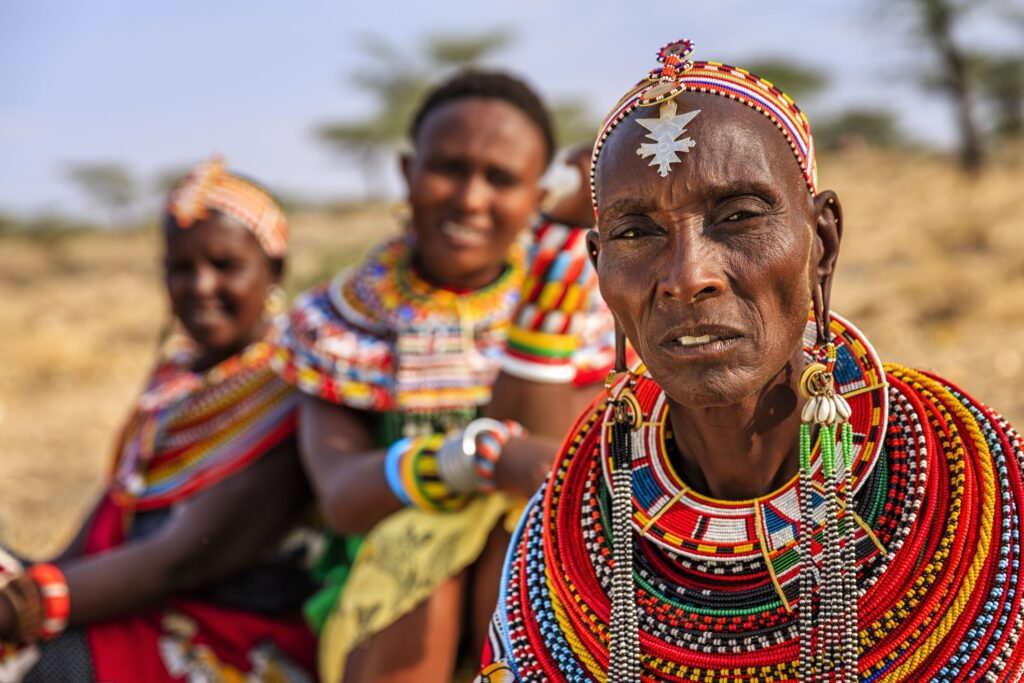
What Is the Etiquette for Visiting Villages?
Travel across Kenya delivers more than landscapes and wildlife encounters. The country offers deep cultural heritage shaped by over forty ethnic communities. Every tribe protects traditions, social structures, ceremonies, and daily practices that evolved over centuries. For travelers seeking meaningful interactions, Kenya cultural safaris create powerful opportunities to learn directly from these living cultures.
However, cultural exploration requires respect, awareness, and responsible travel behavior. Visitors enter communities that value tradition, dignity, and social harmony. Cultural etiquette ensures that travelers interact respectfully with local people while protecting authentic traditions. Ethical cultural tourism also strengthens trust between travelers and host communities.
During Kenya cultural safaris, visitors step into villages, traditional homesteads, craft markets, and cultural ceremonies. These experiences offer rare insight into daily life across Kenya’s diverse regions. Yet respectful conduct becomes essential for building positive cultural exchange. Simple actions such as asking permission before photography, dressing modestly, and observing cultural protocols demonstrate appreciation for local customs.
Firante Gorilla Treks prioritizes responsible tourism during every Kenya cultural safaris journey. The company guides travelers through cultural etiquette while promoting meaningful connections with communities. Visitors gain authentic cultural experiences while supporting sustainable tourism development.
This comprehensive guide answers those questions while explaining respectful behavior during village visits. It also explores cultural experiences, accommodations, and travel planning advice. Firante Gorilla Treks invites travelers to discover Kenya’s rich cultural heritage through respectful and immersive Kenya cultural safaris.
Respectful Cultural Behavior During Kenya Cultural Safaris
Cultural etiquette forms the foundation of successful Kenya cultural safaris experiences. Visitors enter communities that maintain strong traditions and social values. Respectful behavior protects cultural dignity while encouraging meaningful interactions between travelers and local residents.
Many rural communities across Kenya follow customs shaped by history, spirituality, and community identity. Travelers who understand these traditions build stronger relationships with local guides, artisans, elders, and families. Cultural respect transforms tourism into genuine cultural exchange.
Visitors must approach village visits with curiosity and humility. Travelers gain insight into pastoral lifestyles, traditional architecture, livestock management, and craft traditions. At the same time, respectful conduct ensures that communities feel comfortable sharing their culture.
One key principle involves seeking permission before photographing people. Many communities value privacy and personal dignity. Visitors should always request approval before taking photographs of individuals, homes, or ceremonies.
Dress codes also matter greatly during Kenya cultural safaris. Modest clothing reflects respect for cultural norms, particularly in rural areas or Muslim communities along Kenya’s coast and northern regions.
Firante Gorilla Treks prepares travelers before every cultural visit. Professional guides explain etiquette expectations, communication tips, and cultural sensitivities. This preparation allows visitors to participate confidently in authentic cultural experiences.
Responsible tourism strengthens community pride while preserving cultural heritage. Through respectful behavior, Kenya cultural safaris create enriching experiences for both travelers and host communities.
Asking Permission Before Photography on Kenya Cultural Safaris
Photography captures unforgettable memories during Kenya cultural safaris, yet respectful practice remains essential. Many communities view photography as a personal matter rather than a casual activity. Visitors should request permission before photographing individuals, families, or private homes.
A simple greeting followed by a polite request demonstrates cultural sensitivity. Most community members respond positively when visitors show respect and interest. This approach also creates opportunities for meaningful conversations.
Photographing ceremonies requires even greater care during Kenya cultural safaris. Ritual dances, spiritual gatherings, and traditional rites often hold sacred significance. Visitors must follow the guidance of local cultural leaders or guides before taking photographs.
Children also deserve special consideration. Parents or guardians should grant permission before photographing minors. This practice protects family privacy and cultural values.
In many villages, community craft markets offer opportunities for photography. Artisans who create beadwork, carvings, and textiles often welcome photographs that showcase their work. However, respectful communication should always occur first.
Firante Gorilla Treks educates travelers on ethical photography during Kenya cultural safaris. Guides help guests understand when photography suits the situation and when discretion shows greater respect.
Respectful photography not only protects cultural dignity but also strengthens trust between visitors and host communities.
Dressing Modestly During Kenya Cultural Safaris
Appropriate clothing plays a significant role in respectful Kenya cultural safaris experiences. Many rural communities value modest dress that reflects cultural traditions and social norms. Visitors who dress respectfully demonstrate cultural awareness and appreciation.
Travelers should select clothing that covers shoulders and knees during village visits. Lightweight long-sleeve shirts and breathable trousers work well for Kenya’s warm climate. These clothing choices provide comfort while honoring community expectations.
Women traveling on Kenya cultural safaris should avoid revealing clothing such as short skirts, sleeveless tops, or low-cut garments when visiting villages. Men should also avoid wearing overly casual attire like sleeveless shirts in cultural settings.
Certain regions of Kenya include Muslim communities that follow stricter dress guidelines. Coastal areas and northern regions often emphasize modest attire for both men and women. Covering shoulders and knees shows respect for religious traditions.
Neutral colors and comfortable fabrics work best for cultural visits. Travelers may also carry scarves or wraps for additional coverage if necessary.
Firante Gorilla Treks advises guests about clothing expectations before each Kenya cultural safaris cultural excursion. This guidance ensures travelers feel comfortable while honoring community traditions.
Respectful clothing choices help visitors integrate smoothly into village environments and create positive cultural interactions.
What Can I Expect in a Kenya Cultural Safaris Village Visit?
Travelers often ask what experiences await during Kenya cultural safaris village visits. Cultural encounters typically begin with a warm welcome from community members. Traditional songs and dances often greet visitors while showcasing cultural pride.
Guests may explore traditional homes constructed from natural materials such as mud, wood, and grass. Local guides explain architectural techniques that reflect environmental adaptation and cultural identity.
Daily life demonstrations form another highlight of Kenya cultural safaris. Visitors observe food preparation, livestock care, craft production, and farming activities. These demonstrations reveal how communities sustain livelihoods while preserving traditional knowledge.
Many villages also host cultural storytelling sessions. Elders share historical narratives about migration, spiritual beliefs, and clan traditions. These stories provide deeper context for cultural practices observed during the visit.
Craft markets also appear in many cultural villages. Women often create beadwork jewelry, woven baskets, leather items, and colorful textiles. Purchasing these crafts directly supports local artisans and strengthens community economies.
Nature walks guided by local experts reveal traditional knowledge about plants, herbal medicine, and wildlife tracking. These walks enrich the educational aspect of Kenya cultural safaris.
Each cultural encounter offers travelers a deeper understanding of Kenya’s rich human heritage.
What Are the Best Places in Kenya for Kenya Cultural Safaris?
Kenya offers several remarkable regions for immersive Kenya cultural safaris. The Maasai Mara stands among the most popular destinations for cultural tourism. Visitors easily combine wildlife safaris with Maasai village experiences and traditional ceremonies.
Samburu National Reserve provides another outstanding cultural destination. The surrounding Samburu communities maintain vibrant traditions that reflect northern Kenya’s pastoral lifestyle.
Lake Turkana presents a more remote but rewarding destination for cultural explorers. Travelers encounter Turkana communities that thrive in desert landscapes while preserving ancient traditions.
Marsabit and northern Kenya also offer opportunities to visit Rendille communities. These nomadic camel herders provide fascinating insights into survival in arid environments.
The Rift Valley region hosts Pokot communities known for colorful dances, agricultural traditions, and vibrant craft cultures.
Firante Gorilla Treks carefully designs itineraries that connect these destinations into unforgettable Kenya cultural safaris journeys. Each region offers unique cultural experiences while showcasing Kenya’s extraordinary diversity.
How Much Are the Permits for Kenya Cultural Safaris?
Travelers frequently ask about costs associated with Kenya cultural safaris village visits. Cultural entry fees usually support community development initiatives such as schools, water projects, and women’s cooperatives.
Most village cultural visits cost between $20 and $60 per traveler. The fee often includes guided tours, dance performances, and craft demonstrations.
Some safari lodges include cultural visits within their accommodation packages. These programs provide convenient access to nearby villages while supporting local communities.
Certain conservancies operate cultural programs that combine wildlife conservation with community tourism. These initiatives enhance the sustainability of Kenya cultural safaris.
Firante Gorilla Treks ensures transparent pricing for all cultural visits. The company works closely with communities to guarantee fair revenue distribution.
Visitors enjoy meaningful cultural encounters while contributing to long-term community development.
What Can I Pack for Kenya Cultural Safaris?
Packing appropriately ensures comfortable and respectful Kenya cultural safaris experiences.
Travelers should bring lightweight clothing suitable for warm climates. Long sleeves and trousers provide sun protection and respect cultural dress expectations.
Comfortable walking shoes support village tours and nature walks.
A wide-brim hat and sunscreen protect travelers from strong equatorial sunlight.
Travelers should also pack modest clothing for cultural visits. Covering shoulders and knees remains essential for respectful interactions.
A reusable water bottle helps maintain hydration throughout the day.
Visitors may also bring small gifts such as school supplies for community programs. However, organized donations through tour operators work best for responsible tourism.
A camera helps document memorable moments during Kenya cultural safaris, but travelers must always request permission before photography.
Careful packing enhances comfort and ensures respectful cultural engagement.
The Accommodations During Kenya Cultural Safaris
Accommodation choices shape the quality of Kenya cultural safaris experiences. Many safari lodges collaborate with nearby communities to create cultural tourism opportunities.
Luxury lodges in the Maasai Mara region offer convenient access to Maasai villages while providing world-class comfort. Guests enjoy guided cultural visits alongside wildlife safaris.
Samburu lodges provide intimate encounters with northern pastoral communities. Many lodges support local education and conservation initiatives.
Eco-lodges near Lake Turkana or Marsabit deliver immersive cultural experiences in remote landscapes. Travelers interact closely with Turkana and Rendille communities.
Community-owned camps also provide authentic hospitality. Guests stay within villages while participating in daily cultural activities.
Firante Gorilla Treks carefully selects accommodations that balance comfort, authenticity, and sustainability. This approach enhances every Kenya cultural safaris journey.
Can I Combine Uganda Cultural Safaris with Kenya Cultural Safaris?
Many travelers combine Kenya cultural safaris with cultural experiences in Uganda. This combination creates a rich East African cultural adventure.
Uganda offers unique communities such as the Batwa forest people and Karamojong pastoralists. These groups present fascinating cultural contrasts to Kenya’s tribes.
Travelers may also combine gorilla trekking in Uganda with Kenya’s wildlife and cultural safaris. This itinerary blends wildlife encounters with deep cultural exploration.
Firante Gorilla Treks specializes in cross-border itineraries across East Africa. Expert planners coordinate flights, accommodations, and cultural experiences seamlessly.
Combining Uganda and Kenya cultural journeys allows travelers to explore diverse traditions across the region.
This approach transforms Kenya cultural safaris into a broader African cultural expedition.
What Does Firante Gorilla Treks Offer You on Kenya Cultural Safaris?
Firante Gorilla Treks delivers expertly designed Kenya cultural safaris that prioritize authenticity, cultural respect, and meaningful engagement.
The company partners directly with communities across Kenya to create immersive cultural experiences. Travelers interact with knowledgeable local guides who share deep insights into traditions and heritage.
Customized itineraries match traveler interests, schedules, and travel styles. Some guests prefer short cultural visits during wildlife safaris. Others seek extended immersion programs within villages.
Professional safari guides accompany every journey. Their expertise ensures smooth travel logistics and cultural interpretation.
Firante Gorilla Treks also promotes responsible tourism practices that support community education and conservation initiatives.
Each Kenya cultural safaris itinerary reflects strong commitment to ethical travel and cultural preservation.
Why Choose Firante Gorilla Treks For Your Kenya Cultural Safaris?
Travelers seeking authentic Kenya cultural safaris require trusted tour operators with deep regional knowledge. Firante Gorilla Treks stands out through experience, ethical partnerships, and personalized service.
The company maintains strong relationships with Maasai, Samburu, Turkana, Rendille, and Pokot communities. These partnerships ensure respectful cultural engagement and genuine visitor experiences.
Expert guides provide rich cultural interpretation that transforms simple visits into meaningful learning experiences.
Customized itineraries allow travelers to combine wildlife safaris, cultural exploration, and gorilla trekking adventures across East Africa.
Firante Gorilla Treks also prioritizes responsible tourism that empowers local communities and protects cultural heritage.
Travelers leave with unforgettable memories and deeper appreciation for Africa’s diverse cultures.
Choosing Firante Gorilla Treks ensures that Kenya cultural safaris become transformative journeys through Kenya’s remarkable cultural heritage.
