
Are Cultural Visits Safe on a Kenya Cultural Safaris Experience?
March 7, 2026
When Is the Best Time for a Kenya Cultural Safari?
March 7, 2026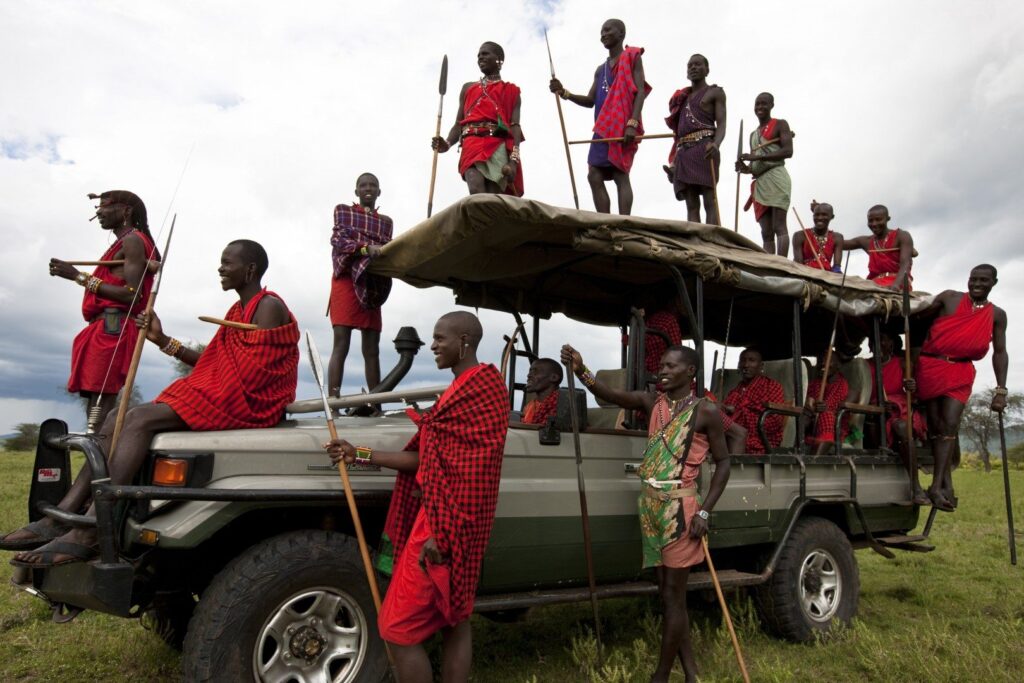
What Should I Bring for the Community on Kenya Cultural Safaris?
Travelers visiting Africa often seek experiences that go beyond wildlife viewing. Cultural exploration therefore becomes a powerful part of the safari journey. Many international visitors preparing for a Kenya cultural safaris adventure with Firante Gorilla Treks often ask an important question. What should I bring for the community on Kenya cultural safaris? Thoughtful visitors always hope to contribute positively during their travels. Responsible tourism encourages respectful cultural exchange while supporting local livelihoods.
Kenya stands among Africa’s most culturally rich destinations. More than forty ethnic communities live across this beautiful country. Each group maintains unique traditions, languages, music, crafts, and social values. These living traditions shape the foundation of Kenya cultural safaris with Firante Gorilla Treks. Visitors gain opportunities to meet local families, explore traditional villages, and learn daily life practices. Cultural safaris therefore create deeper human connections beyond the famous wildlife parks.
However, respectful preparation improves every cultural visit. Travelers should understand what gifts bring positive impact within host communities. Small and meaningful items often create the greatest value. For example, school supplies, notebooks, storybooks, and educational materials benefit local children. These contributions support education while strengthening global friendship.
Understanding Responsible Cultural Tourism on Kenya Cultural Safaris
Responsible tourism plays an essential role in modern African travel. Travelers today seek authentic experiences while respecting local communities. For this reason, Kenya cultural safaris with Firante Gorilla Treks focus strongly on ethical travel practices. Cultural visits should always benefit both travelers and host communities.
Kenyan communities welcome international guests with warmth and pride. Hospitality forms an important part of African social values. However, respectful interaction ensures that tourism strengthens these communities rather than disrupting daily life. Therefore, visitors receive guidance before entering any village or cultural center. These guidelines explain appropriate greetings, dress standards, photography etiquette, and gift giving practices.
Cultural tourism supports many local development initiatives. Communities often use tourism revenue to improve schools, health clinics, and conservation projects. Travelers therefore contribute directly to sustainable development during Kenya cultural safaris with Firante Gorilla Treks. Every respectful cultural visit strengthens economic opportunities within rural communities.
Tour guides play an important role in these cultural experiences. Professional guides introduce visitors to community leaders and cultural educators. These experts explain traditions, customs, and ceremonies in clear and respectful ways. Travelers therefore gain deeper understanding of Kenyan heritage.
In addition, cultural tourism encourages younger generations to preserve traditional knowledge. Young community members learn traditional dances, craft making, and storytelling through tourism programs. Cultural pride therefore grows stronger with responsible visitor engagement.
Through these meaningful interactions, Kenya cultural safaris with Firante Gorilla Treks transform tourism into a powerful tool for cultural preservation and community empowerment.
What Should I Bring for the Community on Kenya Cultural Safaris?
Many travelers planning Kenya cultural safaris with Firante Gorilla Treks ask an important question before their journey begins. What should I bring for the community on Kenya cultural safaris? Visitors often wish to show appreciation to the communities they meet. However, thoughtful and responsible gifts create the greatest positive impact.
Small educational supplies rank among the most meaningful contributions. Many rural schools operate with limited learning materials. Visitors can therefore bring notebooks, pencils, crayons, and school backpacks. Children benefit greatly from these basic tools. Storybooks and educational picture books also encourage reading development in rural classrooms.
Sports equipment also brings joy to many communities. Footballs, skipping ropes, or simple playground equipment provide recreation opportunities for children. These items encourage teamwork while creating memorable interactions between visitors and young community members.
Hygiene products also support community health. Travelers may bring soap bars, toothbrushes, toothpaste, and reusable sanitary products. These supplies often reach schools and family health programs through community leaders.
However, visitors should avoid random gift distribution directly to children. Guides coordinate proper gift presentations through schools or community programs. This approach prevents dependency and ensures fair distribution among families.
Another meaningful way to support communities involves purchasing locally crafted souvenirs. Handmade beadwork, woven baskets, and carved sculptures provide income for artisans. These purchases strengthen local economies while preserving cultural craftsmanship.
Through thoughtful preparation, travelers ensure that Kenya cultural safaris with Firante Gorilla Treks create positive and lasting community impact.
What Can I Expect in a Kenya Cultural Safaris Experience?
Travelers preparing for Kenya cultural safaris with Firante Gorilla Treks often ask an exciting question. What can I expect in a Kenya cultural safaris experience? Cultural safaris open a unique window into authentic African life. Visitors explore communities where traditions remain deeply connected to daily routines.
Village walks form the heart of most cultural visits. Community guides lead travelers through traditional homesteads and farms. Visitors observe how families build homes using natural materials such as wood, clay, and grass. These architectural styles reflect centuries of indigenous knowledge.
Music and dance performances also highlight many Kenya cultural safaris with Firante Gorilla Treks. Traditional dances celebrate harvest seasons, marriage ceremonies, and warrior traditions. Local musicians use drums, rattles, and chanting rhythms to tell cultural stories through movement. Visitors often join these dances, which creates joyful cultural exchange.
Culinary experiences add another rich dimension to the safari. Guests watch local cooks prepare traditional meals using fresh ingredients. Popular dishes include maize meals, vegetable stews, roasted meats, and herbal teas. Cooking demonstrations reveal the cultural significance behind each recipe.
Craft workshops also attract many travelers. Local artisans teach visitors beadwork design, basket weaving, and pottery making. These crafts support family livelihoods while preserving traditional skills. Guests often create small handmade souvenirs during these workshops.
Storytelling evenings bring cultural understanding to a deeper level. Elders share traditional legends that explain social values, history, and spiritual beliefs. These powerful narratives connect visitors to the deeper cultural roots of Kenya.
Through these experiences, Kenya cultural safaris with Firante Gorilla Treks offer unforgettable cultural discovery beyond wildlife tourism.
What Are the Best Places in Kenya for Kenya Cultural Safaris?
Travelers planning Kenya cultural safaris with Firante Gorilla Treks frequently ask an important destination question. What are the best places in Kenya for Kenya cultural safaris? Kenya’s cultural diversity stretches across many fascinating regions. Each destination offers unique traditions and cultural landscapes.
The famous Maasai communities near Maasai Mara National Reserve attract many cultural safari travelers. The Maasai people maintain vibrant traditions centered on cattle herding and warrior heritage. Visitors witness colorful clothing, intricate bead jewelry, and energetic jumping dances known as the Adumu ceremony.
Northern Kenya offers another extraordinary cultural region around Samburu National Reserve. Samburu communities live in semi-arid landscapes and follow nomadic pastoral lifestyles. Cultural visits reveal livestock management traditions and survival strategies in harsh environments.
Coastal Kenya introduces travelers to Swahili culture shaped by centuries of trade. The historic island town of Lamu presents ancient architecture, dhow sailing traditions, and unique coastal cuisine. Narrow streets and coral stone buildings create a timeless cultural atmosphere.
Western Kenya along Lake Victoria also offers vibrant cultural heritage. The Luo people share fishing traditions, music performances, and storytelling gatherings around the lakeshore communities.
Each destination enriches the cultural depth of Kenya cultural safaris with Firante Gorilla Treks, allowing travelers to explore Kenya’s diverse cultural heritage.
How Much Are the Permits for Kenya Cultural Safaris?
Planning costs represent an important part of any safari journey. Travelers organizing Kenya cultural safaris with Firante Gorilla Treks often ask the question. How much are the permits for Kenya cultural safaris? Cultural tourism typically involves community access contributions rather than formal government permits.
Most community cultural visits cost between 20 and 50 US dollars per person. These contributions support local development initiatives. Communities often invest these funds into education programs, water systems, and health projects.
Some cultural centers offer special workshops such as bead making or cooking classes. These experiences may require small additional fees. However, these payments directly support local artisans and cultural teachers.
Many safari packages include these cultural fees within the total itinerary cost. This arrangement simplifies travel planning for international guests. Kenya cultural safaris with Firante Gorilla Treks provide clear pricing information before departure. Travelers therefore enjoy transparency and peace of mind.
Through these contributions, cultural tourism strengthens community development. Visitors become active partners in sustainable tourism growth across Kenya.
What Can I Pack for Kenya Cultural Safaris?
Travel preparation remains essential for any successful journey. Travelers planning Kenya cultural safaris with Firante Gorilla Treks often ask another important question. What can I pack for Kenya cultural safaris? Packing smartly ensures comfort while respecting local traditions.
Lightweight clothing works best for Kenya’s warm climate. Cotton shirts, breathable trousers, and comfortable walking shoes provide excellent comfort. Neutral colors blend naturally with rural environments during village walks.
Modest clothing also respects cultural traditions. Many rural communities prefer visitors to cover shoulders and knees. Travelers should therefore pack light scarves, long skirts, or relaxed trousers. These choices demonstrate cultural awareness.
Sun protection remains important during Kenya cultural safaris with Firante Gorilla Treks. Travelers should carry hats, sunglasses, and sunscreen to protect against strong equatorial sunlight.
Travelers interested in photography should pack reliable cameras. However, respectful photography practices always apply. Visitors should request permission before capturing portraits of community members. Guides help coordinate respectful photography moments.
Additionally, small educational gifts fit easily into luggage. School notebooks, pencils, and children’s books make valuable contributions during cultural visits.
With thoughtful packing, travelers enjoy comfortable and respectful Kenya cultural safaris with Firante Gorilla Treks across Kenya’s vibrant cultural landscapes.
The Accommodations for Kenya Cultural Safaris
Comfortable accommodations enhance the experience of Kenya cultural safaris with Firante Gorilla Treks. Kenya offers a wide range of safari lodges that combine luxury with authentic cultural atmosphere.
Many lodges near cultural regions incorporate traditional architectural designs. Natural materials such as stone, timber, and thatched roofs create warm environments inspired by local heritage. Guests enjoy modern comfort while remaining connected to nature.
Luxury safari lodges near Maasai Mara National Reserve often organize nearby Maasai cultural visits. Guests explore villages, learn beadwork techniques, and participate in storytelling sessions. These experiences connect lodge stays with local communities.
Eco-lodges near Samburu National Reserve also provide cultural immersion programs. Visitors learn pastoral traditions, traditional livestock practices, and desert survival knowledge.
Some coastal lodges near Lamu offer Swahili cultural activities. Guests explore ancient markets, cooking classes, and dhow sailing traditions along the Indian Ocean.
Kenya cultural safaris with Firante Gorilla Treks carefully select accommodations that support both comfort and cultural engagement. Travelers therefore enjoy meaningful cultural discovery alongside relaxing safari hospitality.
Can I Combine Uganda Cultural Safaris with Kenya Cultural Safaris?
Travelers interested in deeper African exploration often ask another valuable question. Can I combine Uganda cultural safaris with Kenya cultural safaris? Combining both destinations creates an extraordinary East African cultural journey.
Uganda offers fascinating cultural traditions that complement Kenyan experiences. Travelers visiting Uganda encounter royal kingdoms, forest communities, and vibrant tribal traditions.
Visitors exploring Kampala often discover the heritage of the Buganda Kingdom. Cultural experiences include royal drum performances, palace visits, and traditional dance ceremonies.
Western Uganda introduces travelers to the Batwa forest culture. These indigenous communities once lived within the rainforest ecosystems. Cultural tours reveal traditional hunting methods, herbal medicine knowledge, and forest storytelling traditions.
Combining these experiences with Kenya cultural safaris with Firante Gorilla Treks creates a broader understanding of East African heritage. Travelers explore pastoral, coastal, forest, and royal traditions within one regional journey.
Firante Gorilla Treks designs seamless itineraries connecting both countries. Visitors enjoy smooth travel logistics, expert guides, and carefully organized cultural encounters across East Africa.
Why Choose Firante Gorilla Treks for Your Kenya Cultural Safaris?
Travelers seeking authentic African journeys often ask one final important question. Why choose Firante Gorilla Treks for your Kenya cultural safaris? Expertise and integrity define the answer.
Kenya cultural safaris with Firante Gorilla Treks focus strongly on responsible tourism and cultural respect. The company maintains strong partnerships with community leaders across Kenya and East Africa. These relationships ensure authentic cultural encounters guided by local knowledge.
Experienced guides accompany every cultural safari. These professionals understand regional history, anthropology, and traditional customs. Their insights transform simple village visits into meaningful cultural learning experiences.
Firante Gorilla Treks also designs personalized safari itineraries. Travelers receive journeys tailored to their interests, travel style, and available time. These itineraries combine wildlife safaris, cultural exploration, and comfortable accommodations.
Furthermore, the company promotes sustainable tourism practices. Cultural visit contributions support schools, conservation initiatives, and women’s artisan groups. Travelers therefore support community empowerment through responsible travel.
Strong logistics management ensures smooth travel experiences. From airport transfers to lodge reservations, every detail receives professional attention. Guests therefore travel confidently throughout East Africa.
For travelers seeking authentic cultural discovery, Kenya cultural safaris with Firante Gorilla Treks deliver meaningful experiences that celebrate Africa’s living heritage.
