
What Is the Age Limit for Gorilla Trekking in Rwanda?
April 30, 2026
How Do I Book Gorilla Trekking in Rwanda?
April 30, 2026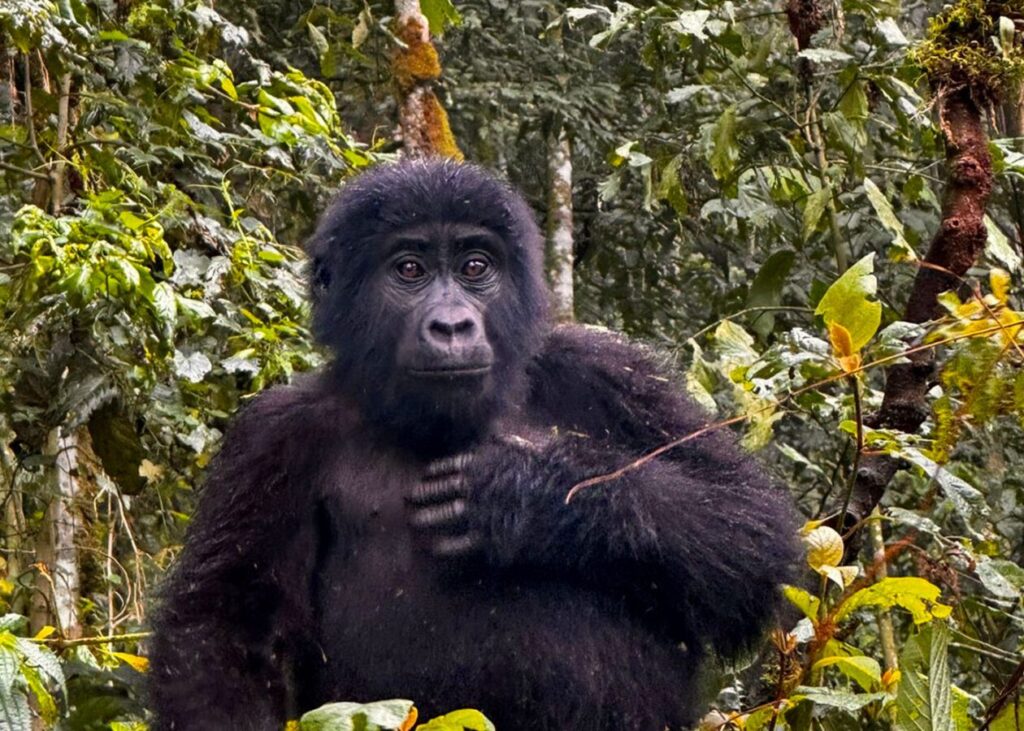
How Many Days Do You Need for Gorilla Trekking?
Planning a journey to the heart of Africa requires careful logistical precision and local insight. This once-in-a-lifetime encounter with mountain gorillas takes place in remote, high-altitude tropical rainforests. These locations are far from international airports, necessitating significant travel time across rugged terrain. A well-structured itinerary ensures you remain energized for the physically demanding hike through thick vegetation. Firante Gorilla Treks recommends a minimum of three days for a standard expedition in Uganda or Rwanda. This timeframe allows for arrival, the immersive trek, and a comfortable departure from the park. We aim to provide you with the most reliable data for your upcoming African adventure. Our expertise ensures you maximize every moment spent in the presence of these gentle giants.
What Is the Overview of a Standard Trekking Schedule?
The Foundation of a Three-Day Trip
A three-day itinerary serves as the industry standard for most international visitors arriving in East Africa. On the first day, you travel from a major city to the outskirts of the national park. This journey often takes several hours due to the winding roads and mountainous landscape of the region. The second day focuses entirely on the gorilla encounter, starting with an early morning briefing at headquarters. Afterward, you spend the third day returning to the airport or continuing to your next destination. It prevents the exhaustion that often comes from rushing through such a profound wildlife experience.
Accommodating Logistics and Fatigue
Travelers often underestimate the physical toll of moving between different altitudes and climates in Africa. Starting your journey early on day one allows you to settle into your lodge before sunset. You can enjoy a quiet evening meal while listening to the sounds of the surrounding jungle. This preparation is vital because the trek on day two can last anywhere from two to eight hours. Having a dedicated third day for departure means you do not have to rush after your trek. A relaxed pace improves your overall mood and your ability to appreciate the local scenery.
What Are the Unique Features of Short vs. Long Itineraries?
The Two-Day Rapid Option
Some travelers with limited time opt for a two-day “express” safari, particularly in Rwanda. This option works because Volcanoes National Park is only three hours away from Kigali International Airport. You arrive on day one and head straight to the park for an overnight stay. On day two, you complete the trek and drive back to the airport for an evening flight. While efficient, this schedule leaves very little room for delays or spontaneous cultural interactions. However, it requires high physical fitness and a very disciplined travel schedule to execute successfully.
The Five-Day Extended Adventure
For those seeking a deeper connection with nature, a five-day itinerary offers significant advantages and luxury. This duration allows you to visit two different gorilla families or explore multiple trekking sectors. You can combine your primate encounter with golden monkey tracking or a visit to a local community. An extended stay reduces the pressure of the hike and allows for better wildlife photography opportunities. You get to see more than just the gorillas, absorbing the entire ecosystem of the Albertine Rift. It allows for a slower “African time” pace that many travelers find deeply rejuvenating and peaceful.
What Wildlife in the Primate Parks Can You Discover?
Beyond the Silverbacks
While the mountain gorilla is the main attraction, these forests house a spectacular array of biodiversity. You will likely encounter L’Hoest’s monkeys, red-tailed monkeys, and blue monkeys swinging through the canopy. The parks are also home to forest elephants, though they are much more elusive than their savannah cousins. Birdwatchers will find paradise here, with hundreds of species like the Great Blue Turaco and African Green Broadbill. Every minute spent in the forest reveals new layers of life, from giant ferns to colorful butterflies. The forest is a living museum of ancient African flora and fauna.
The Magic of the Encounter
The actual hour spent with the gorillas is an emotional peak that stays with you forever. You might watch a mother cradling an infant or a silverback asserting his dominance with a chest beat. Their human-like eyes and complex social bonds create a sense of profound connection across species lines. Since you only get sixty minutes with them, the surrounding days help you process the experience. A longer stay ensures you are not just ticking a box on a list. You begin to understand the ecological importance of these forests and the animals within them. This encounter justifies every mile traveled and every dollar spent on your permit.
What Are the Activities in the Region Beside Trekking?
Exploring Local Gems
The areas surrounding Bwindi and Volcanoes National Park offer a variety of low-impact, high-reward activities. You can take a guided nature walk to hidden waterfalls or explore local caves with a ranger. Canoeing on Lake Mutanda provides a serene perspective of the Virunga Volcanoes during the golden hour of sunset. Many visitors enjoy visiting local schools or health clinics to see the impact of tourism revenue. These activities fill the gaps in your itinerary and provide a well-rounded view of African life. You will find that three to five days pass very quickly in such a vibrant environment.
Adventure and Relaxation
For the more adventurous, hiking to the summit of Mount Bisoke or Mount Sabinyo offers a thrilling challenge. These peaks provide panoramic views of three countries: Uganda, Rwanda, and the Democratic Republic of Congo. If you prefer relaxation, many lodges offer spa treatments using local ingredients like organic honey and coffee. You can sit on your private veranda with a book and watch the mist roll over the hills. Combining high-energy treks with quiet moments of reflection creates a perfectly balanced vacation for any traveler. You deserve a vacation that nourishes both your adventurous spirit and your need for rest.
What Are the Cultural Experiences to Do Around Bwindi Lodge?
Meeting the Batwa People
One of the most powerful cultural encounters involves visiting the Batwa Pygmies, the original inhabitants of the forest. They share their ancient knowledge of hunting, gathering, and traditional medicine through interactive demonstrations. You can listen to their hauntingly beautiful songs and watch dances that have been passed down for centuries. This experience provides vital context for the conservation history of the national parks in the region. It highlights the complex relationship between indigenous people and protected wildlife areas in modern Africa. They add a human dimension to your wildlife-focused journey that is deeply moving and educational.
Village Life and Crafting
Spending time in the local villages allows you to see the daily rhythm of life in rural Uganda. You can visit a traditional healer to learn about the medicinal properties of various forest plants. Many guests enjoy taking a cooking class to learn how to prepare “matooke” over an open fire. You can also visit women’s basket-weaving cooperatives to see how they create intricate designs from sisal. Purchasing these crafts directly from the makers ensures your money stays within the local community. These moments of connection often become the most cherished memories of the entire African safari.
What Conservation and Challenges Exist for the Gorillas?
The Fight for Survival
Mountain gorillas remain an endangered subspecies, and their survival depends heavily on regulated tourism and conservation. The primary challenges include habitat loss due to agricultural expansion and the risk of human-borne diseases. Every trekking permit fee contributes directly to the salaries of rangers and the funding of veterinary teams. These “Gorilla Doctors” provide life-saving medical care to injured or sick primates within the forest. When you visit, you become a stakeholder in the survival of one of the world’s rarest animals. Your presence provides the financial incentive for governments to protect these vital forest corridors.
Community Involvement
Modern conservation success relies on the active participation and support of the people living near the park. Revenue-sharing programs ensure that a percentage of tourism income goes toward building schools and roads. This approach reduces the reliance on poaching and illegal wood harvesting within the park boundaries. Educational programs help local children understand the value of the gorillas as a national and global treasure. As a visitor, your respectful interaction with the community reinforces these positive conservation efforts. You are not just a tourist; you are a partner in a global conservation movement.
How Is the Getting to the Trekking Locations Managed?
Navigating the Terrain
Reaching the mountain gorilla habitats involves a combination of air and road travel through diverse landscapes. Most travelers fly into Entebbe or Kigali and then use a 4×4 safari vehicle for the final leg. In Uganda, the drive from the capital to Bwindi takes approximately nine to ten hours. While long, this drive offers a spectacular look at the “Switzerland of Africa” with its terraced hills. Domestic flights are available for those who wish to reduce travel time and maximize their stay. Proper transport ensures you arrive at the trailhead feeling refreshed and ready for the hike.
Guided Transport Services
Using a professional guide from Firante Gorilla Treks ensures that you navigate the regional borders and checkpoints smoothly. Our drivers are experts in local road conditions and can handle the challenges of the rainy season. They provide insightful commentary on the history, culture, and geography of the regions you pass through. Having a dedicated vehicle allows you to stop for photos or local snacks whenever you wish. This flexibility is a luxury that public transport simply cannot provide to international visitors. It makes the journey part of the adventure rather than just a means to an end.
What Is the Accommodation in the Gorilla Parks Like?
From Luxury to Budget
The lodging options near the gorilla parks cater to every style, from ultra-luxury villas to cozy budget camps. High-end lodges offer gourmet meals, private butlers, and breathtaking views of the forest canopy from your bed. Mid-range options provide comfortable rooms with en-suite bathrooms and warm hospitality at a more accessible price. Budget travelers can find clean, basic campsites or guesthouses that offer a truly authentic African experience. Most lodges are built using sustainable materials to minimize their environmental footprint on the delicate ecosystem. You want a place that feels like a sanctuary after a long day of hiking.
The Lodge Experience
Staying inside or near the park allows you to wake up to the mist-covered mountains every morning. Many lodges feature central fireplaces where guests gather in the evening to share stories of their trek. The staff often come from the local villages and provide a level of service that is both professional and warm. You can enjoy traditional Rwandan or Ugandan coffee while watching the sunrise over the Virunga Volcanoes. These establishments often have their own organic gardens, ensuring your meals are fresh and locally sourced. It provides the perfect backdrop for reflecting on your encounter with the mountain gorillas.
When Is the Best Time to Visit for an Ideal Experience?
The Dry Season Advantage
The peak seasons for trekking occur from June to August and from December to February each year. During these months, the trails are drier and less slippery, making the hike more manageable for most people. Clear skies provide the best conditions for photography and offer stunning views of the surrounding volcanoes. However, because this is the most popular time, you must book your permits and lodges well in advance. Availability becomes limited very quickly, so early planning is essential for a successful African safari. You will find the forest bustling with energy and life during these sunny periods.
The Beauty of the Emerald Season
The rainy seasons, from March to May and October to November, offer a different but equally beautiful experience. The forest becomes incredibly lush and vibrant, earning it the nickname “Emerald Season” among photographers. Gorillas often stay at lower altitudes during this time to feed on fresh bamboo shoots, potentially shortening the trek. You will also find fewer crowds and may even have a gorilla family all to yourself and your group. Many lodges offer discounted rates during these months, making it a great time for budget-conscious travelers. The mist and rain add a sense of mystery and adventure to the entire journey.
Conclusion: Final Thoughts on Your Trekking Duration
In conclusion, your choice of duration significantly impacts the quality and depth of your African safari. While you can technically see the gorillas in two days, a three-to-five-day trip provides the best value. It allows you to handle the logistics comfortably and engage with the local culture and wildlife. How many days do you need for gorilla trekking ultimately depends on your personal interests and travel goals. At Firante Gorilla Treks, we believe in creating itineraries that honor the spirit of the forest and its people. We encourage you to take your time and soak in the incredible atmosphere of the Albertine Rift. Your journey to see the mountain gorillas is a rare privilege that deserves a thoughtful and relaxed approach. We look forward to helping you plan the perfect number of days for your once-in-a-lifetime adventure.
