
What’s the Best Time to Climb Mount Kilimanjaro?
May 1, 2026
How Do I Prepare for Kilimanjaro’s High Altitude?
May 1, 2026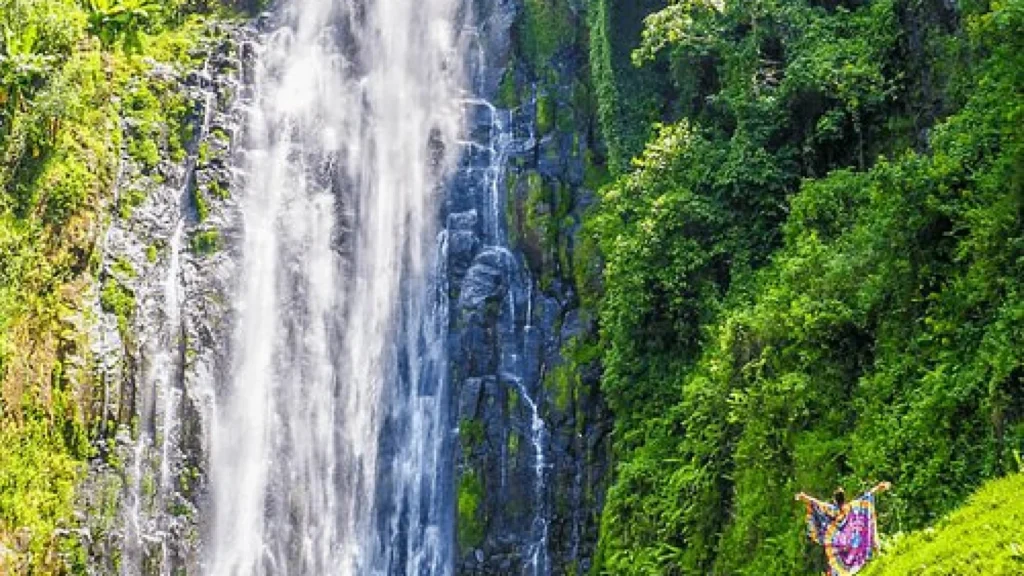
Are There Any Cultural Attractions Near Kilimanjaro National Park?
Standing at the base of the world’s highest free-standing mountain offers more than just a physical challenge. While most visitors focus on the icy summit, the surrounding plains hold a vibrant tapestry of human history. Exploring the diverse heritage of the local communities enriches any African trekking expedition or wildlife safari today. Firante Gorilla Treks invites you to discover the spiritual and historical heart of Northern Tanzania through immersive encounters. We believe that a true safari connects you with both the magnificent landscapes and the welcoming local residents. Our expert guides lead you through ancient caves, aromatic coffee farms, and bustling village markets with professional care. This guide provides the authoritative insights needed to turn a mountain trek into a comprehensive cultural pilgrimage.
What Is the Overview of the Kilimanjaro Cultural Landscape?
The Meeting of Two Great Worlds
The region surrounding the mountain serves as a vibrant crossroads for two of East Africa’s most famous ethnic groups. The Chagga people inhabit the lush, fertile southern slopes, where they perfected mountain farming over many colorful centuries. Meanwhile, the Maasai people roam the semi-arid plains to the west, maintaining a nomadic lifestyle centered on cattle. You can transition from a humid coffee forest to a dry savannah village in just a few hours. Each community offers a unique perspective on how humans adapt to the shadows of a massive dormant volcano. Our team ensures that your cultural interactions remain respectful, authentic, and deeply beneficial to the local hosts. You will find that the warmth of the Tanzanian people rivals the majesty of the snowy Uhuru Peak.
Historical Roots and Modern Life
The cultural history of this region predates modern tourism by hundreds of years of rich tribal development and growth. You can explore the complex irrigation systems that the Chagga built to water their terraced gardens and banana groves. These ancient engineering marvels still function today, supporting thousands of families living on the steep volcanic mountain slopes. In the lower plains, the Maasai maintain their vibrant ceremonies and traditional dress despite the pressures of the modern world. Every village visit contributes to a broader understanding of the East African Rift Valley’s social and historical evolution. We position our guests as active learners rather than passive observers during these life-changing and educational encounters. Your journey will provide insights into the spiritual bond between the people and their sacred mountain, Kibo.
What Are the Unique Features of the Chagga Heritage Sites?
The Hidden Tunnels of Marangu
The Chagga people created an incredible network of underground tunnels to protect their families during historical tribal conflicts. These caves provided safety for people and livestock during raids by rival groups from the surrounding lowlands and plains. Today, you can walk through these well-preserved tunnels to see the ingenious ventilation and storage systems they used. This experience provides a thrilling look into the tactical brilliance of mountain communities facing external threats and challenges. They represent the defensive spirit of a people who mastered their environment to survive and thrive for generations. Our guides explain the legends and the real history behind these dark, cool, and fascinating subterranean mountain structures. You will gain a profound respect for the ancestors who carved a home into the hard volcanic rock.
Traditional Architecture and Agriculture
Visiting a traditional Chagga homestead allows you to see the unique “beehive” huts made from grass, sticks, and mud. These circular structures were designed to stay cool in the sun and warm during the chilly mountain nights. You can observe the “Kihamba” system, a complex multi-layered farming technique that maximizes the use of small land plots. Farmers grow coffee, bananas, and vegetables together under the shade of giant indigenous trees to protect the soil quality. This sustainable method reflects the deep ecological wisdom of the Chagga people living near the park’s protected boundaries. You will see how the community balances their daily survival with the need to protect the mountain’s fragile ecosystem. The sights and sounds of a working Chagga farm provide a sensory experience that stays with you forever.
What Wildlife in the Cultural Zones Can You Discover?
Biodiversity on the Farm
The lush gardens and coffee plantations surrounding the park attract a surprising variety of birds and small mammals today. You might spot the vibrant Hartlaub’s Turaco flying between the banana leaves in search of ripe and sweet fruit. Sunbirds with iridescent feathers frequent the colorful flowers that the local women plant around their traditional mountain homes. Many farms also host various species of chameleons and unique insects that thrive in the humid, high-altitude forest air. The human and natural worlds exist in a delicate, beautiful balance that defines the Tanzanian highland experience for visitors. Our guides point out these smaller creatures, adding a layer of biological discovery to your cultural village walking tour. You will appreciate how the local people value the biodiversity that supports their agricultural success and daily lives.
Encounters in the Maasai Plains
In the drier Maasai regions, the wildlife takes on a different character, featuring species adapted to the open African savannah. You might see giraffes browsing on acacia trees or zebras grazing near the traditional Maasai “Bomas” or thorn-walled villages. The Maasai people have lived alongside these wild animals for centuries, developing a deep and complex mutual respect. You can hear stories of how young warriors once proved their bravery by facing lions in the tall grass. It offers a look at a world where humans and predators share the same landscape and water sources. Understanding this relationship provides a broader perspective on the challenges of modern conservation and human-wildlife conflict in Africa. Every Maasai village visit includes the chance to see how traditional life integrates with the wild heart of Tanzania.
What Are the Activities in the Materuni Village Region?
The Art of Coffee Making
One of the most popular activities involves visiting the Materuni Coffee Plantation for a hands-on lesson in traditional production. You will help pick the red coffee cherries, peel them, and roast them over an open wood fire outdoors. The process includes rhythmic singing and dancing as you use a large wooden mortar and pestle to grind beans. Afterward, you enjoy a cup of the freshest coffee you have ever tasted while looking at the mountain peaks. It connects the global commodity of coffee with the hard-working hands of the Tanzanian farmers who produce it daily. You will leave with a new appreciation for the labor and the heritage behind every aromatic and steaming cup. This activity is fun for all ages and provides a great break from the physical rigors of trekking.
Chasing Waterfalls and Nature
Materuni is also home to one of the tallest and most beautiful waterfalls in the entire Kilimanjaro mountain region today. A short hike through the green coffee and banana trees leads you to a spectacular 80-meter drop of water. You can swim in the cool, refreshing pool at the base or simply enjoy the mist on your face. This natural wonder is surrounded by towering cliffs and lush vegetation that feels like a hidden tropical paradise garden. Combining a waterfall hike with a coffee tour creates a full and rewarding day of exploration near the park. It is a place where you can feel the energy of the mountain water and the warmth of the village. Our team ensures that your visit supports the local village guides and the community-led conservation initiatives in Materuni.
What Are the Cultural Experiences to Do Around Olpopongi Maasai Lodge?
Immersive Maasai Museum Tours
Olpopongi offers a unique “Maasai Village & Museum” experience that is both educational and deeply respectful of the nomadic culture. Unlike some commercialized tours, this site focuses on sharing authentic knowledge about Maasai history, medicine, and social structures. You can visit a traditional pharmacy to see which roots and barks the elders use to treat common illnesses. The museum displays ancient jewelry, weapons, and tools that tell the story of a people who never lost their way. You will participate in traditional spear-throwing competitions and watch the famous jumping dances that symbolize strength and youthful vitality. This encounter breaks down stereotypes and builds a bridge of understanding between different cultures and worldviews across the globe. You leave the village with a heart full of respect for the Maasai people’s enduring and noble spirit.
Nightlife and Traditional Storytelling
Staying overnight at a lodge like Olpopongi allows you to experience the Maasai culture under the vast and starry sky. You can sit around a roaring campfire and listen to the elders tell legends about the stars and the moon. The sound of traditional chanting and the smell of roasting meat create an atmosphere that feels ancient and very powerful. It provides a window into the spiritual life of a community that has survived on the savannah for millennia. You will sleep in a traditional hut modified for comfort while still retaining its authentic and rustic African charm. This immersion is a powerful way to end a day of wildlife viewing or mountain climbing in Northern Tanzania. It reminds you that the greatest treasures of Africa are the stories and the songs of its vibrant people.
What Conservation and Challenges Face the Kilimanjaro Communities?
Balancing Tradition and Tourism
The communities living near the park face the ongoing challenge of maintaining their cultural identity while embracing modern tourism growth. As more visitors arrive, there is a risk of commercializing sacred ceremonies or eroding the traditional values of the youth. Responsible tour operators like Firante Gorilla Treks work to ensure that tourism remains a positive and non-disruptive force today. We encourage our guests to dress modestly and ask permission before taking photos of local people or their homes. By practicing ethical tourism, you help preserve the dignity and the authenticity of the Chagga and Maasai heritages. We believe that cultural exchange should empower the local people and provide them with a sustainable and proud future. Your visit provides the financial support needed for these communities to protect their land and their ancient customs.
Climate Change and Resource Competition
Environmental shifts are putting pressure on the water and land resources that both humans and wildlife need to survive. Receding glaciers on the mountain mean less water for the Chagga coffee farms and the Maasai cattle herds in summer. This competition for resources can lead to conflicts that threaten the peace and the stability of the entire region. Supporting community-led reforestation and water management projects is a key part of being a responsible and conscious global traveler. You will learn about these challenges during your village visits and see the resilience of the people firsthand today. Our guides provide a balanced perspective on the socio-economic issues facing the region and the efforts to solve them. Your participation in cultural tourism helps fund the education and the infrastructure needed to adapt to a changing world.
How Is the Getting to the Cultural Villages Managed?
Smooth Transfers from Moshi
Most cultural sites are located within a one-hour drive from the primary tourism hubs of Moshi or Arusha town. We provide comfortable 4×4 safari vehicles to transport you from your hotel to the heart of the village communities. The drive itself is an adventure, offering views of the terraced hills and the vibrant local markets along the road. You will see children walking to school and farmers heading to the fields with their tools and colorful baskets. Our drivers are local experts who know the best routes and can explain the landmarks you pass along the way. We handle all the logistics so you can focus on the sights, sounds, and smells of the Tanzanian countryside. Arriving in a private vehicle ensures you have the flexibility to stop for photos or local snacks whenever you wish.
Professional Guiding and Entry
Upon arrival at a village like Marangu or Materuni, you will meet your local community guide for the day. These guides are often residents of the village who have been trained to share their culture with international visitors. They handle the payment of community fees and ensure that your visit follows the local customs and social protocols. They can introduce you to the elders and explain the subtle meanings behind the dances and the traditional ceremonies. This professional coordination ensures a smooth and rewarding experience that benefits both the traveler and the local host community. You will feel welcomed as a guest rather than a tourist, creating a deeper and more meaningful human connection. Once the tour is finished, we ensure a safe and comfortable return to your lodge or the airport.
What Is the Accommodation Near the Cultural Centers Like?
Staying in the Heart of Tradition
For a truly immersive experience, you can choose to stay in community-run lodges or traditional homestays near the park. These accommodations offer a unique look into daily life while providing clean beds and hot showers for your comfort. You can wake up to the sound of the village and enjoy a breakfast of local fruits and coffee. Many lodges are built using sustainable materials and traditional designs that reflect the heritage of the Chagga or Maasai. It turns your accommodation into a part of the cultural experience rather than just a place to sleep tonight. You will have more time to interact with the staff and learn about their families and their traditions. We recommend these stays for travelers who want to go beyond the standard hotel experience in Northern Tanzania.
Luxury Lodges with Cultural Flair
If you prefer more comfort, several high-end luxury lodges in the region incorporate cultural elements into their service and design. You can enjoy gourmet meals inspired by local flavors and watch traditional dance performances on the lodge’s terrace at night. Many of these properties support local artisans by displaying and selling their handmade crafts and beautiful beaded jewelry in shops. This combination of luxury and culture provides a balanced and refined African safari experience for the discerning traveler today. You can learn about the history of the region while enjoying a massage or a dip in a heated pool. Our team helps you choose the perfect accommodation that aligns with your personal style and your cultural interests. We believe that your lodge should be a gateway to the local world, not a barrier that keeps it out.
When Is the Best Time to Visit for Cultural Tours?
The Vibrancy of the Dry Season
The best time for cultural exploration is during the dry seasons from June to October and January to March. During these months, the weather is sunny and the roads to the remote villages are firm and easy to navigate. You can participate in outdoor activities like coffee roasting and waterfall hiking without the worry of heavy tropical rain. The clear skies also provide the perfect backdrop for photographing the colorful Maasai dress and the lush Chagga gardens. You will find the communities active and welcoming, with many traditional ceremonies taking place during the harvest months. We recommend booking your cultural tours in advance to ensure the best local guides are available for your group. The dry season ensures a comfortable and visually stunning journey through the human heart of the Kilimanjaro region today.
The Intimacy of the Rainy Season
Visiting during the rainy seasons of April to May and November offers a quieter and more intimate look at village life. While the rains can make travel slower, they also bring a sense of renewal and lushness to the mountain farms. You might witness traditional planting ceremonies or see how the community manages the heavy water flow through their ancient channels. The villages are less crowded with tourists, allowing for deeper conversations and more personal interactions with the local people you meet. If you are a seasoned traveler who doesn’t mind a bit of mud, this could be the best time. The rain adds a layer of raw beauty and energy to the forest and the fields of Northern Tanzania. We provide the right gear and the local knowledge to ensure your rainy season cultural tour is safe and successful.
Conclusion: Enriching Your Safari with Human Connection
In conclusion, the cultural treasures near Kilimanjaro are as impressive and enduring as the mountain itself for any traveler. By visiting the Chagga and Maasai communities, you gain a profound understanding of the spirit that defines this African region. These encounters provide the context and the heart that make a wildlife safari or a mountain trek truly complete. We have answered the vital question, are there any cultural attractions near Kilimanjaro National Park, with expert and local insights. At Firante Gorilla Treks, we are honored to be your bridge to the people and the traditions of Northern Tanzania. We invite you to step beyond the trails and discover the vibrant human history that thrives in the shadow of Kibo. Your journey will leave you with a lasting respect for the resilience and the hospitality of the Tanzanian people today. Prepare to be inspired, educated, and welcomed into the diverse and ancient cultural world of Mount Kilimanjaro.
