
Are There Any Cultural Attractions Near Kilimanjaro National Park?
May 1, 2026
Where is Bwindi Impenetrable National Park Located?
May 4, 2026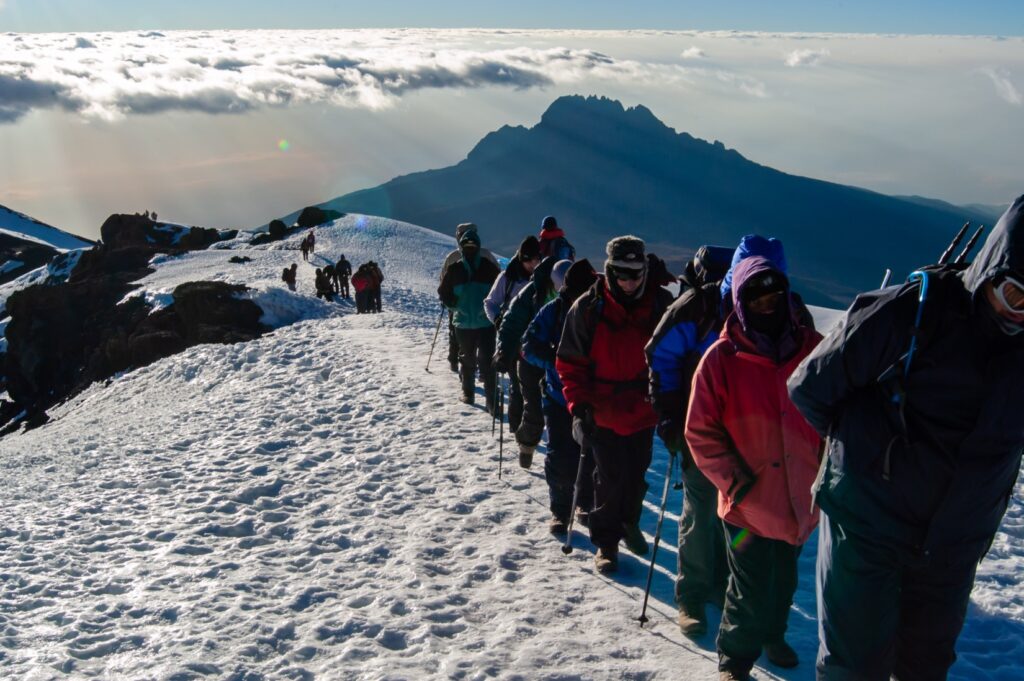
How Do I Prepare for Kilimanjaro’s High Altitude?
Conquering Mount Kilimanjaro stands as a crowning achievement for any global adventurer seeking to test their limits in Tanzania. This massive volcano rises to a staggering height of 19,341 feet, piercing the clouds above the East African plains. The thin air and reduced oxygen levels present the greatest obstacle to your success on the snowy Uhuru Peak. Firante Gorilla Treks provides this authoritative guide to help you navigate the physiological and mental demands of the mountain. We combine years of trekking expertise with a deep commitment to your safety and summit triumph on this iconic peak. Proper preparation transforms a grueling struggle into a life-changing journey through five distinct and beautiful ecological zones today. By following our professional insights, you build the endurance, strength, and resilience required to stand on Africa’s highest point. Prepare to embark on a rigorous training journey that ensures your body and mind remain ready for the thin air.
What Is the Overview of High Altitude Training Requirements?
Building a Strong Aerobic Foundation
Preparing for the thin air of Mount Kilimanjaro requires a dedicated training period of two to six months. You must focus on consistent aerobic exercises that mimic the long, sustained efforts of mountain hiking in high altitudes. Activities like swimming, cycling, and long-distance walking help improve your cardiovascular efficiency and lung capacity over several weeks. These exercises ensure your heart can pump oxygen-rich blood effectively when the atmosphere becomes much thinner and colder. Our team suggests increasing your workout intensity gradually to avoid overtraining or injuries before your Tanzanian safari adventure begins. A strong heart is your best ally when navigating the steep slopes and rocky trails of the majestic Kibo.
Strengthening Your Mental Fortitude
Physical fitness is only half the battle when you face the unpredictable weather and low oxygen of the summit. High-altitude trekking demands incredible mental discipline and the ability to push through physical discomfort and extreme cold nights. You must train your mind to remain positive and focused during long days of slow, repetitive walking on trails. Practicing mindfulness and mental visualization can help you stay calm when the air feels heavy and your energy wanes. Success on the mountain often depends on your willingness to endure and your commitment to the “Pole Pole” philosophy. Firante Gorilla Treks emphasizes mental preparation as much as physical training to ensure a holistic and successful climbing experience.
What Are the Unique Features of Altitude Training Strategies?
The Importance of Weighted Hiking
One of the most effective ways to condition your body is by hiking with a loaded backpack regularly. You should aim to carry a pack weighing 15 to 20 pounds during your weekend training sessions on hills. This practice builds the specific muscle groups in your legs, core, and back that you use on the mountain. It also helps you get used to the weight of your daily gear, water, and essential summit supplies today. If you are researching how do I prepare for Kilimanjaro’s high altitude, weighted hiking is a non-negotiable part of success. This specific training simulates the real-world conditions you will face while climbing toward the alpine desert and glaciers. It builds the functional strength required to navigate the challenging Barranco Wall and the steep scree slopes of Uhuru.
Using Altitude Simulation Tools
For those living at sea level, using altitude simulation masks or hypoxic tents can provide a useful physiological edge. these tools reduce the oxygen you inhale, forcing your body to produce more red blood cells over several weeks. While not a replacement for real mountain time, they help your lungs and blood adapt to lower oxygen levels. You can use these devices while walking on a treadmill or using a stair-climbing machine at the local gym. Simulation tools offer a practical solution to help kickstart your body’s natural acclimatization process before you even reach Tanzania. Combining this technology with outdoor hiking creates a comprehensive training plan that covers all the necessary bases for success.
What Wildlife in the High Altitude Zones Can You Encounter?
Spotting Fauna in the Alpine Desert
As you climb higher and the air thins, the variety of wildlife decreases significantly due to the harsh environment. You might spot the resilient White-necked Raven circling the high-altitude camp sites in search of food and scraps. These birds are highly adapted to the thin air and extreme cold that define the upper reaches of Kibo. Small rodents like the four-striped grass mouse also survive in these rocky outcrops by hiding in deep crevices during nights. Evolution has equipped these animals with specialized lungs and blood to thrive where most mammals would struggle to breathe. Observing their quiet resilience provides a sense of wonder and motivation as you move toward the frozen arctic summit.
The Mystery of the High Peak Residents
Rare sightings of leopards or wild dogs have been recorded at surprisingly high altitudes on the mountain slopes occasionally. However, most animals prefer the lush rainforests and moorlands where oxygen and food are much more plentiful and accessible. You are more likely to see unique insects and hardy spiders that have adapted to the intense solar radiation. These species represent the extreme limits of life on the African continent in the shadow of the great glaciers. Every zone you pass through offers a new lesson in survival and the beauty of high-altitude biological adaptations today. Our guides share fascinating stories about the wildlife that manages to call these desolate and windy heights their home.
What Are the Activities in the Park Beside Climbing?
Exploring Lava Tower and Shira Plateau
Your trek involves more than just upward movement; it includes visits to spectacular geological landmarks along the mountain trails. You will likely spend an afternoon at the massive Lava Tower to help your body acclimatize to higher levels. Walking across the vast Shira Plateau offers a chance to explore an ancient volcanic caldera with stunning panoramic views. You can also visit the Maundi Crater near the Mandara Huts to see the surrounding plains of Kenya and Tanzania. These excursions provide variety to your hike and allow your body to adjust to the changing atmospheric pressure gradually. They are essential milestones that mark your progress from the forest to the rugged moonscape of the upper mountain.
Photography and Glacial Observation
The shrinking glaciers of Kilimanjaro provide a dramatic and heartbreakingly beautiful backdrop for your high-altitude photography and video sessions. You can spend your rest hours capturing the play of light on the ancient ice and the red volcanic soil. The lack of light pollution at 15,000 feet makes for world-class stargazing and long-exposure night photography in the camps. These creative activities help keep your mind active and positive during the long periods of rest required for safety. You aren’t just training for a physical feat; you are preparing to witness the vanishing wonders of the world. Our crew helps you find the best vantage points for photos while ensuring you don’t overexert yourself before summit night.
What Are the Cultural Experiences to Do Around Kilimanjaro?
Meeting the Chagga Mountain People
The foothills of Kilimanjaro are home to the Chagga people, who have lived on these volcanic slopes for centuries. You can visit their villages to learn about their ancient irrigation systems and their traditional mountain farming and culture. Many hikers enjoy a coffee-making tour where they roast and grind organic beans grown in the rich volcanic soil. This cultural immersion provides a grounding experience before you head into the isolated and wild high-altitude zones of the park. It also helps you understand how do I prepare for Kilimanjaro’s high altitude by observing the local lifestyles. The Chagga people have a deep spiritual connection to the mountain, which they view as a source of life. Engaging with their heritage enriches your journey and provides a broader context for your presence on their sacred land.
Learning the “Pole Pole” Wisdom
Your interaction with the local Tanzanian guides and porters is the most significant cultural aspect of your entire mountain expedition. These “Heroes of Kilimanjaro” embody the philosophy of “Pole Pole,” which means “slowly, slowly” in the local Swahili language. They teach you that success in the thin air comes from patience and a steady, rhythmic pace on the trail. Their songs and constant encouragement provide the moral support needed to conquer the most difficult sections of the climb. You will learn to respect the mountain through their eyes and their years of professional experience on the slopes. Sharing stories around the mess tent builds a sense of global community that transcends language and cultural barriers today.
What Conservation and Challenges Affect the Mountain Peak?
The Receding Ice Caps
The most pressing environmental challenge facing Kilimanjaro is the rapid loss of its iconic glaciers due to global warming. Scientists predict that the snows of Kilimanjaro may disappear entirely within the next few decades if trends continue today. This loss impacts the local water supply and changes the mountain’s appearance for the millions who admire it from below. We advocate for sustainable trekking practices to minimize the human impact on this fragile and ancient volcanic ecosystem. Protecting the mountain ensures that future generations can still experience the magic of standing among the high-altitude African glaciers. Every visitor must act as an ambassador for the conservation of this UNESCO World Heritage site and its beauty.
Waste Management and Trail Erosion
Managing the waste of thousands of hikers is a massive task for the park authorities and the local tour operators. We follow strict “Leave No Trace” principles to ensure that all trash is carried back down to the gate. Maintaining the integrity of the trails is also crucial to prevent soil erosion in the high-altitude desert and moorland. You must stay on the designated paths to protect the rare and delicate plants that grow in the thin soil. Your commitment to conservation helps keep the mountain pristine for the wildlife and the climbers who will follow you. Firante Gorilla Treks prioritizes environmental stewardship as a core value of our professional and authoritative mountain safari operations.
How Is the Getting to the Kilimanjaro National Park Managed?
Arrival and Logistics
Your journey begins with a flight into Kilimanjaro International Airport, followed by a short drive to the town of Moshi. This town serves as the primary hub for all mountain expeditions and offers a variety of hotels and gear shops. You will spend a day or two in Moshi to conduct a final gear check and meet your lead guides. We ensure your transport to the park gates is seamless, allowing you to focus entirely on the upcoming physical challenge. Clear communication with our team during this phase helps resolve any last-minute questions or equipment needs you may have. Starting your trek with a calm and organized mind is essential for handling the stresses of the high altitude.
Registration and Briefing
Upon reaching the park gate, you must register with the authorities and attend a mandatory safety and rules briefing. You will see the hustle of the porter crew as they weigh their loads to comply with park regulations. This registration process is the official start of your adventure and your entry into the protected wilderness of the peak. Your guide will explain the route details and the expectations for the first day’s hike through the humid rainforest. The gates represent the transition from the modern world to the ancient, vertical world of the great African volcano. Once the paperwork is finished, you take your first steps on the long and rewarding path toward Uhuru Peak.
What Is the Accommodation on a Kilimanjaro Hike Like?
Sleeping in High-Altitude Tents
On most routes, you will stay in high-quality mountain tents that are designed to withstand heavy wind and freezing temperatures. These tents provide a private and dry space where you can rest your body after a long day of hiking. We provide thick foam mattresses to ensure you stay warm and comfortable on the uneven and rocky ground of the camps. A dedicated crew sets up and breaks down your camp every day, allowing you to save your energy for climbing. Quality sleep is essential for the acclimatization process and for maintaining your mental focus during the difficult summit night push. We prioritize your comfort to ensure you are ready for the thin air of the next day’s high-altitude trek.
The Huts of the Marangu Route
The Marangu route offers communal sleeping huts instead of tents, providing a more solid structure for hikers to rest in. These huts feature bunk beds and are a popular choice for those who prefer a bit more protection from rain. While less private than a tent, the huts offer a unique social environment where you can meet other global travelers. Both options provide a safe and reliable base as you move higher into the thinning atmosphere of the peak. Regardless of your choice, the goal remains the same: providing a restful environment for your body to adjust and heal. Our team manages all the bookings and arrangements to ensure your mountain “home” is ready and waiting for you.
When Is the Best Time to Visit for Better Acclimatization?
The Dry Season Advantage
The best time to climb is during the dry seasons from January to March or from June to October each year. Clear skies and stable temperatures make the trekking experience much more comfortable and safer for the entire group of hikers. Wet weather can increase the risk of hypothermia and make the acclimatization process much more difficult for your weary body. The dry months provide the best visibility and the most reliable trail conditions for your long journey to the summit. You are more likely to reach the top when you aren’t battling rain, mud, and heavy mountain clouds every day. We recommend booking your trip during these windows to maximize your chances of a successful and enjoyable summit experience.
Avoiding the Rainy Seasons
We generally advise against climbing during the long rains of April and May when the mountain is often very wet. Heavy snow on the summit can make the final push dangerous and significantly reduce your chances of reaching the Uhuru sign. Visibility is often poor, meaning you might miss the spectacular views that make the effort of the climb worthwhile. The physical toll of hiking in the rain can also hinder your body’s ability to adapt to the high altitude. We want your experience to be one of triumph and beauty, not a struggle against the relentless and cold mountain rain. Our professional advice is to wait for the clear, dry months to ensure you get the most out of your safari.
Conclusion: Reaching the Summit with Confidence
In conclusion, preparing for the high altitude of Mount Kilimanjaro is a comprehensive process that begins months before you fly. By building a strong aerobic base and practicing with a weighted pack, you set the stage for a successful climb. The “Pole Pole” philosophy and a positive mental attitude are your most valuable tools in the thin and cold air. At Firante Gorilla Treks, we are proud to be your guide and your partner on this prestigious African mountain adventure. We believe that with the right preparation and professional support, anyone can touch the sky on the roof of Africa. Your journey through the diverse zones of Kilimanjaro will be a testament to your strength and your love for nature. Start your training today, stay focused on your goal, and prepare to stand on the highest point in all of Africa.
