
How Long Is the Serengeti Train Ride?
March 16, 2026
How Much Should I Tip My Safari Driver?
March 16, 2026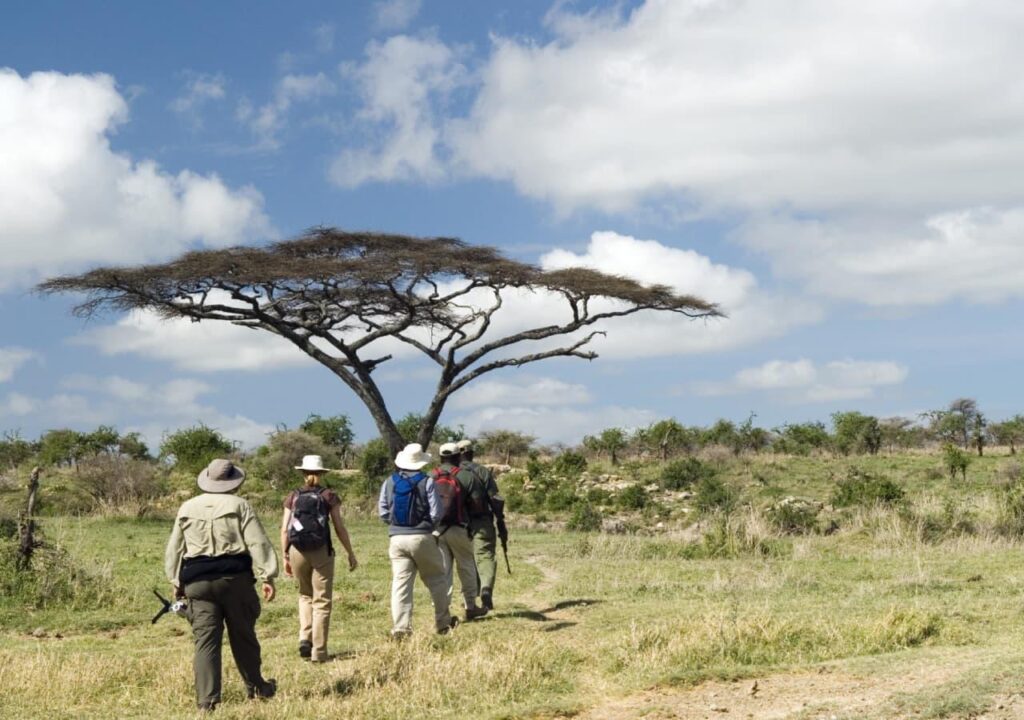
Why Not Wear White on Safari?
Why not wear white on safari? Firante Gorilla Treks understands the importance of proper safari preparation. Clothing choices influence comfort, safety, and the overall wildlife experience. A safari journey involves exploring natural environments where dust, vegetation, and wildlife activity shape the landscape. Travelers therefore benefit from clothing that blends with the surroundings and supports outdoor exploration.
African safari environments include open savannah plains, woodland areas, river valleys, and forest trails. These environments contain loose soil and dry grasslands. Safari vehicles travel along dusty tracks during game drives. The dust easily settles on clothing. White garments show dust and dirt quickly, which creates discomfort for travelers during long safari days.
Furthermore, wildlife viewing requires quiet movement and minimal disturbance. Bright white clothing reflects sunlight strongly and attracts attention from animals. Neutral safari colors allow travelers to observe wildlife naturally without causing distraction. For this reason, safari experts recommend earthy tones such as khaki, olive green, beige, and light brown.
Firante Gorilla Treks focuses on helping travelers prepare effectively for safari adventures across East Africa. The company shares practical guidance on clothing, equipment, and safari behavior. Proper preparation helps guests enjoy wildlife encounters safely and comfortably.
Understanding the Key Question: Why Not Wear White on Safari?
Several practical reasons explain this recommendation. Safari conditions include dust, heat, vegetation, and wildlife environments that require suitable clothing.
Dust and Dirt During Game Drives
Safari vehicles travel across natural roads within wildlife reserves. These roads often consist of dry soil and loose sand. Moving vehicles create dust clouds behind them. The dust easily settles on clothing and equipment during long game drives.
White clothing attracts dust immediately. Travelers wearing white garments often notice stains and discoloration after only a short drive. Neutral-colored clothing hides dust effectively and maintains a clean appearance throughout the safari.
Visibility and Wildlife Sensitivity
Wild animals rely on their senses to detect potential threats. Bright colors or reflective fabrics easily attract attention. White clothing stands out strongly against natural landscapes.
Safari guides prefer visitors to wear clothing that blends with the environment. Earthy colors allow travelers to observe wildlife without causing unnecessary disturbance.
Walking Safari Safety
Another reason behind Why not wear white on safari involves walking safari rules. Many wildlife reserves restrict white clothing during guided walking safaris. Guides encourage neutral tones that resemble natural vegetation.
White clothing reflects sunlight and becomes visible from long distances. Neutral colors allow visitors to move quietly through the environment while maintaining safety and discretion.
Firante Gorilla Treks always provides packing guidance for guests before each safari journey. This preparation ensures travelers arrive fully equipped for the wilderness experience.
What Can I Pack for a Safari After Understanding Why Not Wear White on Safari?
Packing wisely helps visitors remain comfortable during wildlife exploration.
Recommended Safari Clothing
Neutral colors remain the best clothing choice during safari activities. Khaki shirts, olive green jackets, and beige trousers blend naturally with the environment. These colors also hide dust and stains during long game drives.
Lightweight fabrics work best in warm climates. Breathable materials allow airflow and reduce heat discomfort. Long-sleeved shirts protect against sun exposure and insects.
Travelers should pack lightweight jackets for early morning game drives. Temperatures often feel cool before sunrise on the savannah.
Essential Safari Accessories
Several accessories enhance the safari experience. Wide-brim hats protect travelers from strong sunlight. Sunglasses reduce glare during daytime game drives.
Binoculars allow visitors to observe distant wildlife clearly. Cameras with zoom lenses capture memorable safari moments.
Insect repellent protects against mosquitoes in certain regions. Sunscreen prevents sunburn during extended outdoor activities.
Firante Gorilla Treks provides detailed packing guides for guests before departure.
Proper packing enhances comfort and improves the overall safari experience.
What Are the Best Places to Experience Safari Adventures After Understanding Why Not Wear White on Safari?
Several wildlife parks provide exceptional safari experiences.
Serengeti National Park in Tanzania
The Serengeti ecosystem stands among Africa’s most famous wildlife regions. Vast grasslands support extraordinary biodiversity. Lions roam across open plains. Large elephant herds travel between river valleys.
Seasonal migrations attract global attention. Thousands of wildebeest cross the plains during dramatic migration events.
Safari visitors experience unforgettable wildlife encounters throughout the year.
Bwindi Impenetrable Forest in Uganda
Bwindi Forest offers one of the world’s most remarkable wildlife experiences. Mountain gorillas live within this dense rainforest ecosystem.
Trekkers hike through forest trails to observe gorilla families in their natural habitat. The experience creates deep emotional connections with wildlife.
Queen Elizabeth National Park in Uganda
Queen Elizabeth National Park features diverse ecosystems including savannah plains, wetlands, and crater lakes. Tree-climbing lions inhabit the Ishasha sector of the park.
Boat safaris along the Kazinga Channel reveal hippos, crocodiles, and abundant birdlife.
Firante Gorilla Treks designs itineraries that connect these remarkable destinations into unforgettable safari journeys.
The Accommodations: Where Do Safari Travelers Stay During Their Journey?
Safari lodges and camps provide comfortable bases for exploring wildlife regions.
Mid-Range Safari Lodges
Mid-range lodges offer comfortable rooms, private bathrooms, and scenic views of surrounding landscapes. Guests enjoy restaurant dining areas and outdoor relaxation spaces.
Many lodges sit near wildlife corridors where animals occasionally appear near the property.
Luxury Tented Camps
Luxury safari camps combine wilderness immersion with exceptional comfort. Spacious canvas tents include comfortable beds, private bathrooms, and viewing decks.
Guests listen to natural wildlife sounds while enjoying elegant safari hospitality.
Eco-Friendly Safari Lodges
Many safari lodges operate using environmentally responsible practices. Solar energy systems power many facilities. Water conservation programs protect fragile ecosystems.
Firante Gorilla Treks partners with lodges that support sustainable tourism and conservation initiatives.
Travelers therefore enjoy wildlife adventures while protecting natural environments.
Cultural Experiences Around Safari Lodges
Cultural experiences near safari lodges add meaningful depth to the journey.
Maasai Cultural Village Visits
The Maasai community maintains rich traditions across the Serengeti region. Visitors explore traditional villages constructed with natural materials.
Community members demonstrate beadwork craftsmanship and traditional clothing design. Cultural dances create vibrant celebrations of heritage.
These visits support local community development while providing authentic cultural experiences.
Local Craft Markets
Local artisans sell handmade jewelry, wood carvings, and colorful fabrics near safari lodges. Travelers who purchase these crafts support small-scale community businesses.
Firante Gorilla Treks encourages responsible cultural tourism practices that respect community traditions and values.
Cultural experiences enrich safari adventures by connecting visitors with the human heritage of East Africa.
What Can I Expect in a Gorilla Trekking Safari?
Gorilla trekking offers one of the most extraordinary wildlife experiences on Earth.
Dense rainforest landscapes replace open savannah plains. Trekkers follow forest trails while experienced guides track gorilla families.
Once trekkers locate the gorillas, visitors observe them for one hour. The animals groom each other, feed on vegetation, and interact peacefully within family groups.
The encounter feels deeply personal and emotional. Many travelers describe gorilla trekking as a life-changing wildlife experience.
Firante Gorilla Treks specializes in organizing gorilla trekking safaris in Uganda and Rwanda.
How Much Are the Permits for Gorilla Trekking?
Uganda currently offers gorilla trekking permits at $800 per person. Rwanda offers permits at $1,500 per visitor.
Permit fees support conservation programs that protect mountain gorilla populations and their forest habitats. The funds also support ranger salaries and community development initiatives.
Limited permit numbers protect gorilla families from excessive human contact.
Firante Gorilla Treks assists travelers with permit reservations and safari logistics. Early booking ensures travelers secure permits for their preferred trekking dates.
Can I Combine Uganda Whitewater Rafting With Gorilla Trekking?
Uganda offers world-class rafting adventures along the Nile River near Jinja. Powerful rapids provide thrilling experiences for travelers seeking adventure activities.
Professional guides provide safety equipment and instructions before every rafting excursion.
Many visitors begin their journey with rafting adventures before traveling to southwestern Uganda for gorilla trekking.
Firante Gorilla Treks designs multi-activity itineraries that combine rafting, wildlife safaris, and rainforest trekking.
Travelers therefore experience diverse landscapes and activities within a single journey.
What Does Firante Gorilla Treks Offer You on a Gorilla Trekking Safari?
Firante Gorilla Treks provides comprehensive safari services built on expertise and professionalism.
Professional guides lead every safari with strong knowledge of wildlife behavior and ecosystems. Their expertise enhances wildlife encounters and educational experiences.
Firante Gorilla Treks also designs personalized itineraries based on traveler interests, schedules, and budgets.
The company handles logistics including permits, accommodations, transportation, and guiding services.
Guests therefore enjoy smooth travel experiences without logistical challenges.
The company also promotes responsible tourism practices that protect wildlife and support local communities.
Why Choose Firante Gorilla Treks for Your Gorilla Trekking Safari?
Choosing the right safari company significantly influences the travel experience.
Firante Gorilla Treks stands out through deep expertise in East African tourism. Experienced guides provide professional leadership throughout every safari journey.
The company focuses on conservation, cultural respect, and sustainable tourism practices.
Firante Gorilla Treks also collaborates with eco-friendly lodges that support wildlife protection programs.
Travelers benefit from personalized safari itineraries designed around individual preferences.
The company’s strong reputation within the Africa tourism industry continues to attract international travelers seeking authentic safari experiences.
Conclusion: Why Not Wear White on Safari and How Preparation Improves Your Adventure
Understanding Why not wear white on safari helps travelers prepare properly for wildlife exploration. Safari environments contain dust, vegetation, and bright sunlight that easily affect clothing choices.
White clothing quickly shows dust during game drives. Bright colors also attract unnecessary attention from wildlife.
Neutral colors such as khaki, olive green, and beige blend naturally with the environment. These colors improve comfort and enhance wildlife viewing experiences.
Proper preparation ensures travelers enjoy every safari moment safely and comfortably.
Firante Gorilla Treks continues to guide travelers toward responsible and well-prepared safari adventures across East Africa.
The company combines professional expertise, conservation values, and personalized service to create unforgettable journeys.
