
What Unique Hiking Excursions
June 15, 2026
The Ultimate Guide to Dusk and Culture
June 15, 2026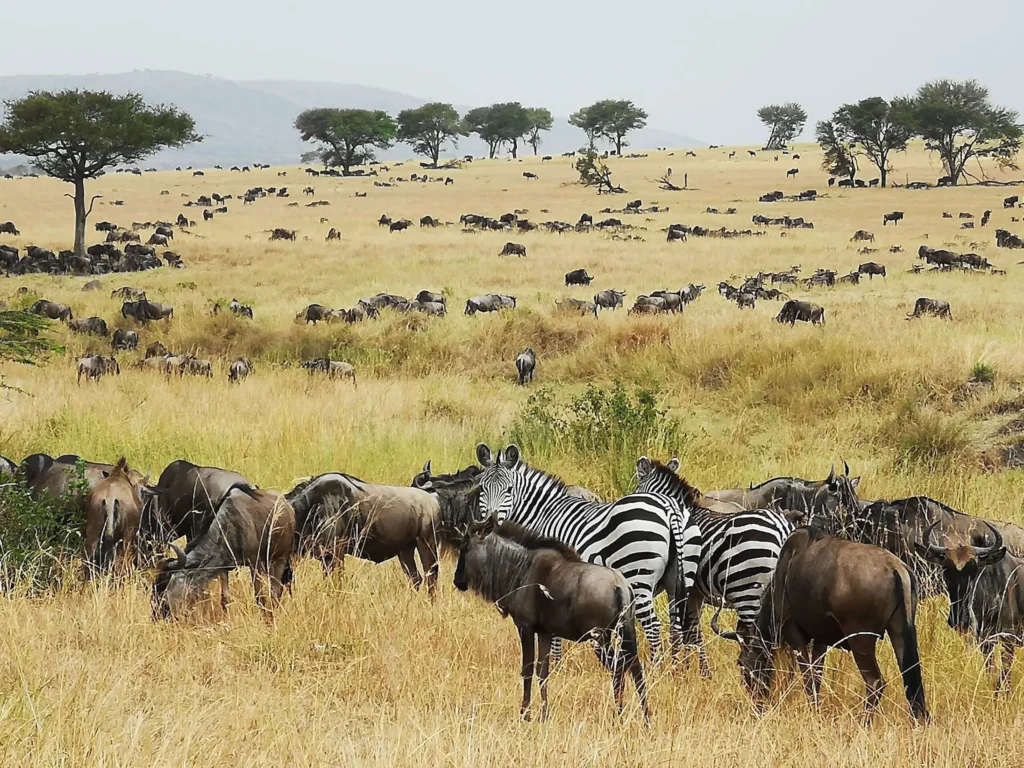
What Predatory Behaviors Are Most Frequently Witnessed During the Great Migration Season?
The Great Migration, an epic journey of millions of wildebeest, zebras, and gazelles across the Serengeti and Maasai Mara ecosystems, is often described as nature’s greatest show. While the sheer numbers of herbivores are astounding, the drama truly unfolds with the constant presence of Africa’s apex predators. For those planning a safari, a compelling question often arises: What predatory behaviors are most frequently witnessed during the Great Migration season? Firante Gorilla Treks invites you to delve into the thrilling world of predator-prey dynamics that define this incredible spectacle, ensuring you understand the raw essence of the wild.
The Relentless Pursuit: Predator Strategies During the Migration
The arrival of millions of prey animals transforms the landscape into a hunting ground, intensifying the struggle for survival. So, what predatory behaviors are most frequently witnessed during the Great Migration season? The answer lies in the specialized tactics employed by different predators, each playing a crucial role in the ecosystem’s balance. From strategic ambushes to high-speed chases, the migration is a masterclass in natural selection.
Lions: The Apex Ambush Hunters
Lions, the undisputed kings of the savanna, are among the most prominent predators during the Great Migration. Their hunting behaviors are often observed in prides, working cooperatively to bring down large prey like wildebeest and zebras [1]. They strategically position themselves along migration routes or near water sources, utilizing cover for ambushes. During the migration, with prey in abundance, lions exhibit increased hunting success, often targeting the weak, old, or young. Witnessing a pride of lions coordinating a hunt is a powerful answer to what predatory behaviors are most frequently witnessed during the Great Migration season, showcasing their strength and intelligence.
Cheetahs: Masters of the High-Speed Chase
Cheetahs, renowned for their incredible speed, employ a different strategy. They are solitary hunters or hunt in small coalitions, relying on bursts of acceleration to catch their prey [1]. During the Great Migration, cheetahs frequently target young or isolated wildebeest and gazelles, engaging in breathtaking high-speed chases across the open plains. These lightning-fast pursuits are a common and thrilling answer to what predatory behaviors are most frequently witnessed during the Great Migration season, highlighting the cheetah’s agility and precision.
Leopards: The Elusive Stalkers
While more elusive than lions and cheetahs, leopards also play a role in the migration drama. They are stealthy, nocturnal hunters, often utilizing dense vegetation and riverine forests for cover [1]. Leopards typically prey on smaller animals that accompany the migration, such as gazelle fawns or young wildebeest, often dragging their kills up trees to protect them from other predators. Observing a leopard, though less frequent, offers a glimpse into the secretive side of what predatory behaviors are most frequently witnessed during the Great Migration season.
Spotted Hyenas: Opportunistic Hunters and Scavengers
Spotted hyenas are highly adaptable predators, known for both their hunting prowess and scavenging abilities [1]. They hunt in large clans and are capable of bringing down healthy adult wildebeest and zebras. However, they are also quick to capitalize on kills made by other predators or to scavenge carcasses, particularly those that drown during river crossings. Their distinctive calls and pack dynamics are a frequent sight and sound, providing another answer to what predatory behaviors are most frequently witnessed during the Great Migration season.
Nile Crocodiles: The Riverine Ambushers
Perhaps the most dramatic predatory behaviors occur during the perilous river crossings. Massive Nile crocodiles, some measuring over five meters, lie in wait for months, conserving energy for the herds to plunge into the Mara or Grumeti Rivers [1]. Their ambush tactics are brutal and swift, as they snatch struggling wildebeest and zebras from the water. The chaos and raw power of these riverine attacks are an unforgettable and defining answer to what predatory behaviors are most frequently witnessed during the Great Migration season.
Cultural Connections: Beyond the Hunt
While the predatory drama is central to the Great Migration, a safari with Firante Gorilla Treks also offers rich cultural experiences that connect you with the people who share this land. These interactions provide a deeper understanding of the ecosystem and its inhabitants. So, beyond asking what predatory behaviors are most frequently witnessed during the Great Migration season, what cultural experiences can you enjoy around the safari lodges in these regions?
Maasai Village Visits: A Glimpse into Tradition
In both the Serengeti and Maasai Mara, opportunities abound to visit traditional Maasai villages (bomas) [2]. Here, you can engage with the Maasai people, learn about their pastoralist lifestyle, vibrant traditions, and deep respect for wildlife. Witnessing their traditional dances, understanding their beadwork, and hearing their stories offers a profound cultural immersion that complements the wildlife viewing. This provides a holistic understanding of the region, extending beyond just what predatory behaviors are most frequently witnessed during the Great Migration season.
Guided Walks with Local Communities
Many lodges offer guided nature walks led by local Maasai guides or rangers. These walks provide insights into the smaller wonders of the bush, traditional medicinal plants, and tracking techniques. The guides often share their ancestral knowledge of the land and its creatures, including how they coexist with predators. Such experiences enrich your safari, adding a human dimension to the natural spectacle and further answering what predatory behaviors are most frequently witnessed during the Great Migration season from a local perspective.
Conclusion: A Journey into the Heart of the Wild with Firante Gorilla Treks
The Great Migration is a testament to the raw power and delicate balance of nature. Understanding what predatory behaviors are most frequently witnessed during the Great Migration season provides a profound appreciation for the survival instincts of both predator and prey. From the coordinated hunts of lions to the explosive charges of crocodiles at river crossings, every moment is a vivid display of the circle of life. Firante Gorilla Treks is dedicated to guiding you through this extraordinary spectacle, combining thrilling wildlife encounters with enriching cultural experiences, ensuring an unforgettable African adventure.
Summary of Key Predatory Behaviors & Cultural Experiences
| Predator | Primary Hunting Behavior | Key Characteristics | Cultural Experience Link |
| Lions | Cooperative ambushes, pride hunting | Strength, coordination, targeting large prey | Maasai coexistence with predators, traditional stories |
| Cheetahs | High-speed chases, targeting young/isolated | Speed, agility, solo or small coalition hunts | Understanding Maasai tracking skills, local conservation efforts |
| Leopards | Stealthy stalking, nocturnal ambushes | Elusive, arboreal kills, smaller prey | Learning about traditional uses of plants in dense areas |
| Spotted Hyenas | Pack hunting, opportunistic scavenging | Adaptable, powerful jaws, efficient carcass disposal | Maasai views on scavengers, their role in the ecosystem |
| Nile Crocodiles | Riverine ambushes, patience | Immense power, targeting at river crossings | Observing the river as a life source and barrier for |
