
Can I Use Local Transport for Getting Around Uganda?
April 7, 2026
Can I See Traditional Ugandan Culture on a Safari?
April 8, 2026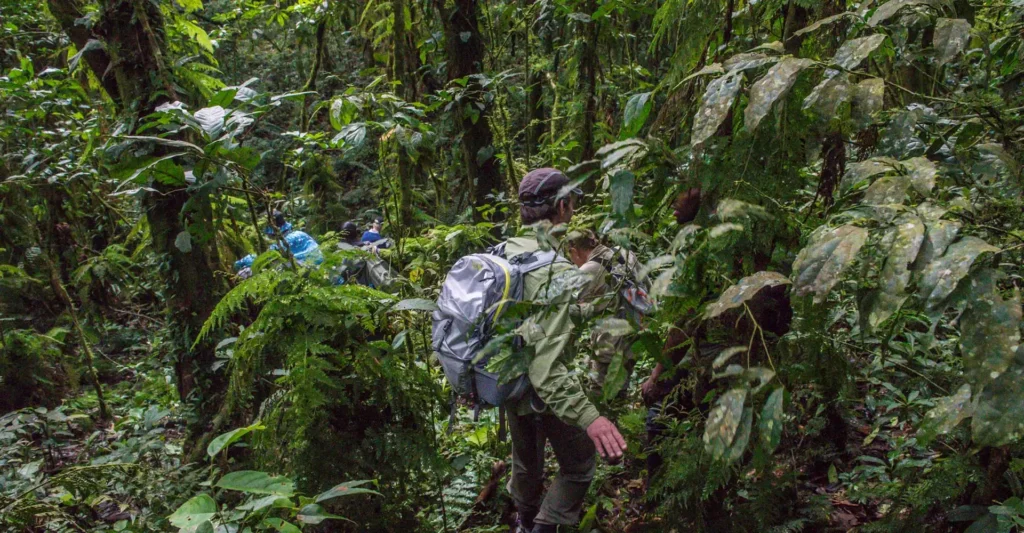
What’s the Best Time for Hiking in Uganda?
What’s the best time for hiking in Uganda? A Uganda safari offers more than wildlife viewing because it includes unforgettable hiking experiences through forests, mountains, and volcanic terrains. Hiking in Uganda connects travelers with nature in a direct and immersive way.
Uganda’s natural beauty creates ideal conditions for trekking throughout the year. However, seasonal variations influence trail conditions, visibility, and overall comfort. Therefore, choosing the right time enhances safety and enjoyment significantly.
Moreover, Uganda features iconic hiking destinations such as Bwindi Impenetrable Forest, Rwenzori Mountains, and Virunga Volcanoes. Each location offers unique terrain and experiences that require proper planning.
Overview of Uganda Safari
Uganda combines wildlife adventures with scenic trekking opportunities. Travelers often integrate hiking into broader safari itineraries to maximize their experience.
Hiking routes vary across regions, from dense rainforests to alpine mountain trails. Each environment offers different challenges and rewards. Therefore, timing becomes essential for a successful experience.
Dry seasons provide favorable conditions for most hiking activities. Trails remain firm, which reduces difficulty and enhances safety. Clear skies also improve visibility, allowing travelers to enjoy stunning landscapes.
Additionally, hiking complements other safari activities such as gorilla trekking and wildlife viewing. Travelers benefit from well-structured itineraries that combine adventure and relaxation.
Tour operators organize hiking experiences based on seasonal conditions. This approach ensures safety and efficiency while maximizing enjoyment.
Understanding how hiking fits into a Uganda safari answers the question, What’s the best time for hiking in Uganda, within a broader travel plan.
Unique Features of Uganda Safari
Uganda offers a rare combination of ecosystems that create diverse hiking opportunities. Travelers explore tropical forests, volcanic mountains, and snow-capped peaks within one country.
Bwindi Impenetrable Forest provides dense vegetation and rich biodiversity. Hiking here involves navigating thick trails while observing wildlife. Dry months improve trail accessibility and reduce physical strain.
The Rwenzori Mountains offer high-altitude trekking experiences. These mountains feature glaciers, waterfalls, and unique vegetation zones. Dry seasons provide clearer paths and safer climbing conditions.
The Virunga Volcanoes present volcanic hiking experiences with dramatic scenery. Trails vary in difficulty, yet dry conditions ensure better footing and visibility.
Additionally, Uganda’s moderate climate supports year-round hiking. However, seasonal differences influence trail quality and overall experience.
Uganda’s unique landscapes require careful timing for optimal hiking. This diversity strengthens the answer to What’s the best time for hiking in Uganda across different environments.
Wildlife in Uganda Safari
Hiking in Uganda often includes encounters with wildlife, especially in forested areas. Gorilla trekking stands as one of the most popular hiking activities.
Dry seasons offer better conditions for wildlife observation. Animals move more frequently, and trails remain accessible. This combination enhances the overall experience.
In Bwindi Impenetrable Forest, hikers track mountain gorillas through dense vegetation. Dry trails make trekking easier and safer. Clear conditions also improve visibility for photography.
Additionally, hiking in savannah may include encounters with antelopes and bird species. These experiences add variety to the safari journey.
Birdwatching also improves during certain seasons. While rainy periods attract more birds, dry seasons offer easier hiking conditions.
Balancing wildlife experiences with trail conditions helps travelers plan effectively. This balance answers the question, What’s the best time for hiking in Uganda while exploring wildlife.
Activities in Uganda Safari
Uganda offers a wide range of hiking activities, from short nature walks to multi-day mountain treks. Each activity benefits from proper timing.
Dry seasons from June to August and December to February provide ideal conditions. Trails remain firm, and weather stays predictable. These factors enhance safety and enjoyment.
Mountain climbing in the Rwenzori Mountains requires stable weather conditions. Dry periods reduce risks associated with slippery paths and heavy rainfall.
Volcano hiking in the Virunga region also benefits from clear weather. Travelers enjoy panoramic views and easier navigation.
Additionally, guided hikes ensure safety and provide valuable insights. Professional guides help travelers navigate challenging terrains and understand ecosystems.
Adventure seekers benefit from planning hikes during favorable seasons. This strategy reinforces the answer to What’s the best time for hiking in Uganda for various activities.
Conservation and Challenges
Seasonal choices influence environmental impact and sustainability. Dry seasons attract more visitors, which increases pressure on ecosystems.
However, regulated tourism ensures controlled access to sensitive. Authorities manage visitor numbers to protect habitats and wildlife. This approach maintains ecological balance.
Rainy seasons offer lower visitor numbers. This reduction allows ecosystems to recover and reduces environmental stress. However, challenging conditions may limit accessibility.
Additionally, conservation programs rely on tourism revenue. Hiking activities contribute to funding and awareness efforts. Travelers support these initiatives through responsible tourism.
Sustainable practices include following designated trails and respecting wildlife. These actions minimize environmental impact and preserve natural resources.
Getting to Uganda Safari
Uganda’s accessibility plays a key role in planning hiking trips. Travelers typically arrive through Entebbe International Airport before heading to hiking destinations.
Dry seasons offer better road conditions, especially in rural areas. Travelers experience smoother journeys and shorter travel times. This advantage supports efficient planning.
Rainy seasons may create challenges on unpaved roads. Muddy conditions can delay travel and limit access to remote. Proper planning becomes essential during these periods.
Domestic flights provide faster access to certain regions. These flights reduce travel time and enhance convenience. However, they may increase overall costs.
Tour operators coordinate transport to ensure seamless travel. This support improves efficiency and reduces stress.
Travel logistics influence the overall hiking experience. Considering these factors answers the question, What’s the best time for hiking in Uganda based on accessibility.
Accommodation in Uganda Safari
Lodging plays an important role in hiking experiences. Travelers choose accommodations based on proximity to hiking trails and comfort levels.
During dry seasons, demand for lodges increases significantly. Early booking ensures availability and better pricing options. Popular such as Bwindi and the Rwenzori Mountains attract many visitors.
Budget accommodations provide affordable options for hikers. Campsites and basic lodges offer essential facilities near trails. These options suit adventurous travelers.
Mid-range and luxury lodges offer additional comfort. Guests enjoy amenities such as hot showers, guided services, and scenic views. These features enhance relaxation after long hikes.
Additionally, many lodges organize hiking activities directly. This arrangement simplifies planning and ensures professional guidance.
Best Time to Visit Uganda Safari
Uganda’s climate includes two main dry seasons and two rainy seasons. Each season offers different advantages for travelers.
Dry seasons from June to August and December to February provide ideal hiking conditions. Trails remain firm, and weather stays clear. These months attract the highest number of visitors.
Rainy seasons bring lush landscapes and vibrant scenery. However, trails may become slippery and challenging. Travelers must prepare for these conditions carefully.
Additionally, fewer tourists visit during rainy periods. This factor creates a more peaceful experience. Travelers may also find lower accommodation rates.
Choosing the right season depends on priorities. Travelers who value comfort prefer dry seasons, while those seeking solitude may consider rainy periods.
Seasonal understanding helps travelers plan effectively. This knowledge reinforces the answer to What’s the best time for hiking in Uganda.
Cultural Experiences Around Hiking Areas
Hiking regions often lie near vibrant communities that offer unique cultural interactions. Travelers explore villages, markets, and traditional practices during their journeys.
In areas around Bwindi, visitors engage with local communities through cultural tours. These experiences include traditional dances, storytelling, and craft-making activities.
Near the Rwenzori Mountains, travelers interact with local tribes and learn about their lifestyles. These encounters provide insight into cultural heritage and environmental knowledge.
Additionally, cultural visits remain accessible throughout the year. However, dry seasons allow easier travel between communities.
Supporting local communities through tourism creates positive economic impact. Travelers contribute to development while enjoying authentic experiences.
Cultural exploration enhances the hiking journey. This aspect strengthens the answer to What’s the best time for hiking in Uganda while experiencing local traditions.
Conclusion: What’s the Best Time for Hiking in Uganda for an Unforgettable Safari Experience?
What’s the best time for hiking in Uganda ultimately depends on travel goals and preferences. Dry seasons offer the most favorable conditions for trekking, with firm trails and clear skies. These months provide the best balance of safety and enjoyment.
However, Uganda remains a year-round destination with unique experiences in every season. Travelers who prepare properly can enjoy rewarding adventures regardless of timing.
Uganda’s diverse landscapes, rich wildlife, and vibrant cultures create an exceptional hiking destination. Every trail offers new discoveries and unforgettable moments.
Firante Gorilla Treks provides expert guidance to help travelers plan successful hiking experiences. This commitment strengthens trust and authority in the Africa tourism industry.
Uganda welcomes adventurers with open landscapes and endless opportunities. With the right planning, every hiking journey becomes a remarkable and inspiring experience.
