
What’s the Best Time for Hiking in Uganda?
April 7, 2026
How Do I Get a Uganda Visa?
April 8, 2026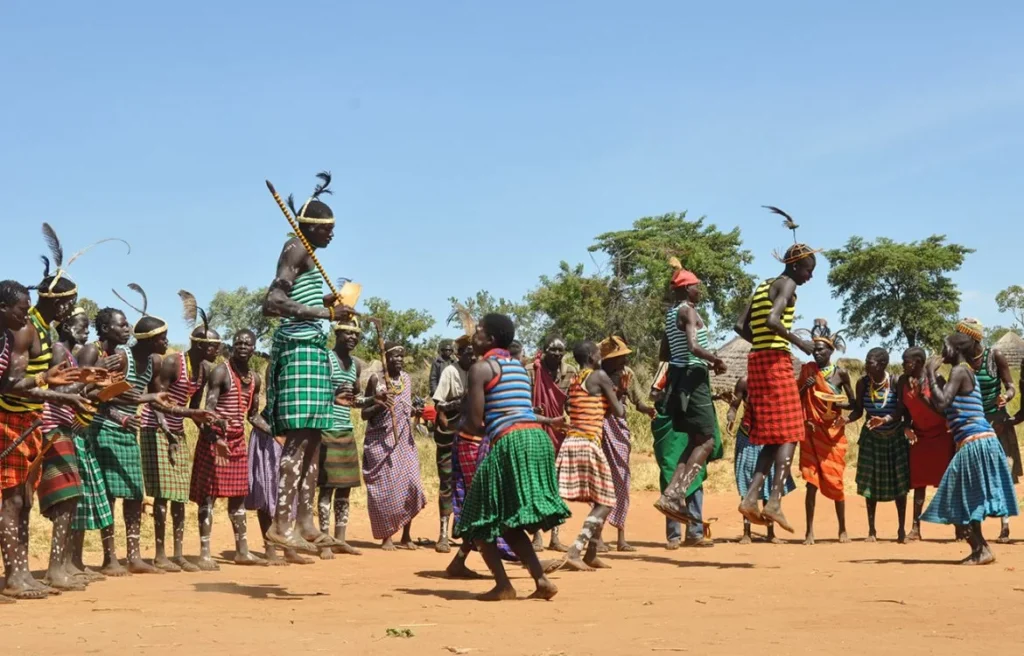
Can I See Traditional Ugandan Culture on a Safari?
Can I see traditional Ugandan culture on a safari? A Uganda safari offers far more than game drives and gorilla trekking. It delivers a complete cultural and natural immersion across diverse landscapes and communities. Travelers who choose a Uganda safari discover a country rich in heritage, traditions, and authentic human connections.
Uganda stands out as a destination where culture and wildlife coexist in harmony. Many safari itineraries combine thrilling wildlife experiences with meaningful cultural interactions. Visitors engage with local communities, learn ancient traditions, and witness daily life shaped by history and environment. These cultural elements transform a Uganda safari into a deeply enriching journey.
Firante Gorilla Treks designs experiences that connect travelers with Uganda’s cultural heartbeat. Each Uganda safari becomes an opportunity to explore traditions, stories, and lifestyles that define the nation. Cultural encounters add depth, meaning, and authenticity to every itinerary.
Overview of Uganda Safari
A Uganda safari offers a rare balance between biodiversity and cultural diversity. The country hosts over 50 tribes, each with distinct languages, customs, and traditions. This cultural richness enhances every Uganda safari experience.
Travelers explore destinations such as Bwindi Impenetrable Forest, Queen Elizabeth National Park, and Kidepo Valley National Park. These regions not only support diverse wildlife but also host indigenous communities. Cultural encounters occur naturally alongside wildlife activities, creating a seamless travel experience.
A Uganda safari introduces visitors to traditional dances, storytelling, crafts, and local cuisine. These interactions provide insight into Uganda’s social fabric and cultural identity. Tour operators integrate cultural visits into itineraries, ensuring visitors experience both nature and heritage.
Firante Gorilla Treks emphasizes cultural authenticity in every Uganda safari. The company works closely with local communities to create respectful and meaningful experiences. This approach supports sustainable tourism and empowers local populations.
Unique Features of Uganda Safari
Uganda safari experiences stand out due to their strong cultural integration. Unlike destinations focused solely on wildlife, Uganda blends human heritage with natural exploration.
One unique feature involves direct interaction with indigenous groups. Visitors meet the Batwa communities near Bwindi, known for their forest-based traditions. These encounters reveal ancient survival skills, music, and spiritual beliefs tied to the forest ecosystem.
Another highlight includes visits to pastoral communities such as the Karamojong in northeastern Uganda. These communities maintain traditional lifestyles centered on cattle, social rituals, and community cohesion. Travelers observe authentic homesteads and participate in cultural exchanges.
Uganda safari experiences also include agricultural traditions. Visitors explore Ankole cattle farms, where long-horned cattle symbolize wealth and identity. These experiences showcase Uganda’s rural economy and cultural pride.
Firante Gorilla Treks ensures each Uganda safari includes carefully curated cultural experiences. These encounters respect local traditions while offering educational value to travelers. Cultural tourism strengthens community livelihoods and preserves heritage.
A Uganda safari provides a meaningful answer to cultural curiosity. It offers genuine connections, diverse traditions, and unforgettable experiences that enrich every journey.
Wildlife in Uganda Safari
A Uganda safari delivers both experiences seamlessly. Travelers enjoy world-class wildlife encounters while engaging with local cultures.
Uganda hosts iconic species such as mountain gorillas, chimpanzees, elephants, lions, and numerous bird species. Gorilla trekking in Bwindi remains a major attraction. However, cultural visits nearby enhance the overall experience.
After trekking, visitors meet the Batwa community. These former forest dwellers share their history, hunting techniques, and cultural practices. This interaction adds context to the ecosystem and human connection to nature.
In Queen Elizabeth National Park, travelers enjoy game drives and boat safaris. Nearby communities offer cultural performances, craft markets, and storytelling sessions. These activities deepen understanding of local life.
Kidepo Valley National Park combines remote wilderness with rich cultural experiences. The Karamojong people provide insights into pastoral traditions and community life.
Firante Gorilla Treks integrates wildlife and culture into balanced itineraries. This approach ensures travelers experience Uganda holistically. A Uganda safari becomes more than sightseeing; it becomes a journey of discovery.
Activities in Uganda Safari
A Uganda safari offers a wide range of cultural experiences that engage visitors directly. These activities create lasting memories and deeper understanding.
Travelers participate in traditional dance and music performances. These vibrant displays reflect community identity and storytelling traditions. Visitors often join in, creating interactive experiences.
Cultural village visits provide insight into daily life. Guests observe cooking methods, craft-making, and farming practices. These experiences highlight Uganda’s rural lifestyle and resilience.
Historical tours explore kingdoms such as Buganda. Visitors learn about royal heritage, governance, and cultural institutions. These sites preserve Uganda’s political and cultural history.
Craft workshops allow travelers to learn basket weaving, pottery, and beadwork. These skills reflect creativity and cultural expression. Purchasing crafts supports local artisans.
Community walks offer opportunities to interact with residents. Travelers hear personal stories and gain authentic perspectives on Ugandan life.
Firante Gorilla Treks designs activity-rich itineraries that blend adventure with culture. Each Uganda safari includes meaningful experiences that connect travelers with local communities.
Conservation and Challenges
A Uganda safari promotes sustainable tourism by integrating cultural experiences. This approach benefits both communities and the environment.
Cultural tourism provides alternative income sources for local populations. Communities earn revenue through performances, guiding, and craft sales. This reduces reliance on activities that harm wildlife habitats.
The Batwa community represents a key example. Cultural tourism supports their transition from forest dependency to sustainable livelihoods. Visitors contribute directly to community development.
Challenges remain, including habitat loss, human-wildlife conflict, and cultural preservation. Responsible tourism addresses these issues through education and community engagement.
Firante Gorilla Treks prioritizes ethical tourism practices. The company collaborates with local communities to ensure fair benefits and cultural respect. This approach strengthens conservation efforts.
A Uganda safari offers more than exploration. It creates positive impact through responsible travel. Cultural experiences play a vital role in preserving both heritage and biodiversity.
Travelers contribute to conservation simply by participating in a culturally inclusive Uganda safari.
Getting to Uganda Safari
A Uganda safari remains accessible through well-developed travel routes and infrastructure. International travelers arrive via Entebbe International Airport.
From Entebbe, travelers access major safari destinations by road or domestic flights. Road travel offers scenic views and opportunities to observe rural life. Domestic flights provide faster access to remote parks.
Cultural destinations lie close to major wildlife. Bwindi connects easily with Batwa communities. Kidepo offers access to Karamojong homesteads. Central Uganda provides access to Buganda Kingdom sites.
Tour operators like Firante Gorilla Treks manage logistics efficiently. They arrange transportation, guides, and accommodations. This ensures a smooth and enjoyable Uganda safari experience.
Travelers experience Uganda’s diversity even during transit. Road journeys reveal villages, markets, and landscapes that reflect daily life.
A Uganda safari remains both accessible and rewarding. Visitors can explore cultural and natural attractions without difficulty.
Accommodation in Uganda Safari
A Uganda safari offers a range of lodges that combine comfort with cultural immersion. Many properties sit near communities and cultural sites.
Lodges near Bwindi provide access to Batwa experiences. Guests enjoy guided cultural visits alongside gorilla trekking adventures. These lodges often incorporate local design and materials.
In northeastern Uganda, accommodations near Kidepo offer access to Karamojong communities. Visitors experience traditional lifestyles while enjoying modern amenities.
Community-based lodges provide authentic experiences. These accommodations support local ownership and cultural preservation. Guests engage directly with residents.
Luxury lodges also include cultural programs. They organize performances, village visits, and craft experiences for guests.
Firante Gorilla Treks selects accommodations that enhance cultural engagement. Each Uganda safari includes stays that reflect local identity and hospitality.
A Uganda safari offers diverse accommodation options that support cultural exploration. Travelers enjoy comfort while connecting with Uganda’s heritage.
Best Time to Visit Uganda Safari
A Uganda safari remains accessible throughout the year due to the country’s equatorial climate. However, certain seasons offer better conditions for travel and cultural activities.
Dry seasons, from June to September and December to February, provide optimal conditions. Roads remain accessible, and wildlife viewing improves. Cultural visits also become easier during these periods.
Wet seasons offer lush landscapes and fewer crowds. Cultural experiences continue, but travel conditions may vary. Some roads become challenging, especially in remote areas.
Festivals and cultural events occur throughout the year. These events provide unique opportunities to experience traditional celebrations, music, and dance.
Firante Gorilla Treks helps travelers choose the best time based on preferences. Each Uganda safari adapts to seasonal conditions while maintaining quality experiences.
A Uganda safari remains a year-round destination. Travelers can experience culture and wildlife regardless of timing, with proper planning.
Conclusion: Can I See Traditional Ugandan Culture on a Safari?
The answer remains a confident yes. A Uganda safari delivers a complete experience that blends wildlife, landscapes, and cultural heritage.
Travelers engage with diverse communities, explore ancient traditions, and gain meaningful insights into Ugandan life. These experiences go beyond observation. They create connections, understanding, and lasting memories.
Firante Gorilla Treks leads the way in providing culturally rich Uganda safari experiences. The company emphasizes authenticity, sustainability, and community engagement. Each journey reflects expertise and deep knowledge of Uganda’s tourism landscape.
A Uganda safari offers more than adventure. It builds appreciation for cultural diversity and environmental conservation. Travelers leave with a deeper understanding of Africa’s heritage.
Choosing a Uganda safari means embracing a journey of discovery. It answers the question while exceeding expectations. Traditional Ugandan culture becomes an integral part of every safari experience.
This unique combination positions Uganda as a leading destination for travelers seeking authenticity, expertise, and unforgettable experiences in Africa’s tourism industry.
