
What is Bwindi Famous For?
May 4, 2026
What Makes it Iconic?- Bwindi Impenetrable National Park
May 6, 2026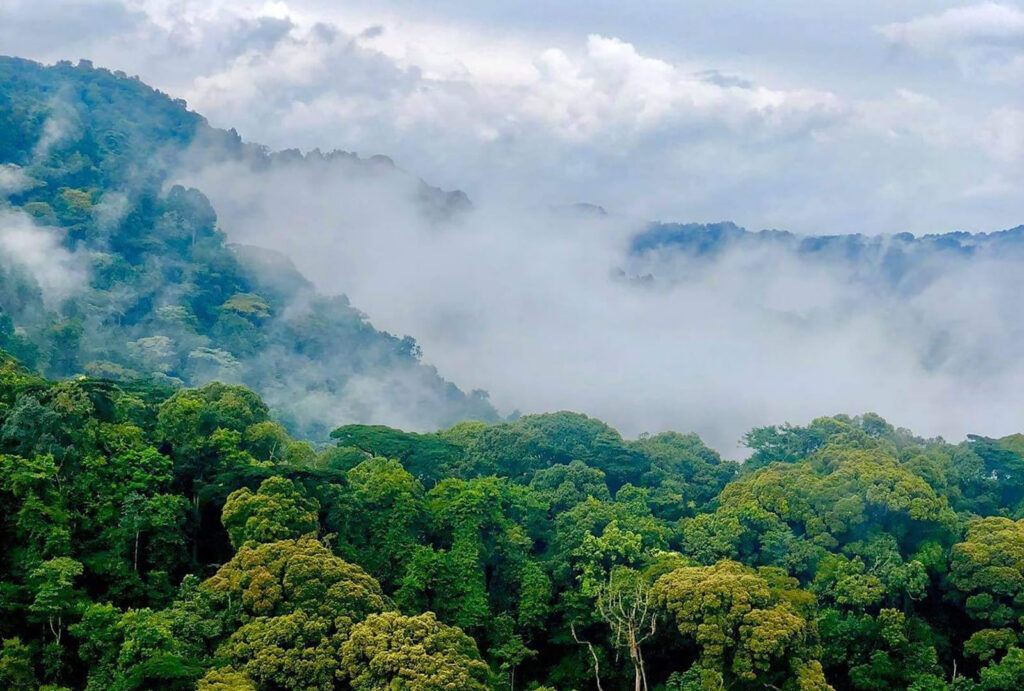
How Large is Bwindi National Park?
Bwindi Impenetrable National Park serves as a vital ecological sanctuary within the heart of the African continent. This ancient forest remains a cornerstone of conservation in the southwestern region of Uganda. Many travelers often wonder about its physical scale when planning a trip to see the mountain gorillas. Specifically, they frequently ask our team at Firante Gorilla Treks, how large is Bwindi National Park? The park officially covers an area of approximately 321 square kilometers or about 124 square miles. While this might seem small compared to massive savannah parks, its biological density is truly unparalleled. It occupies a rugged landscape of steep ridges and deep valleys within the Kigezi Highlands. Every square meter of this forest teems with life and supports an incredible variety of rare species. Understanding the dimensions of this park helps you appreciate the concentration of biodiversity found within its emerald borders.
What is the General Overview of Bwindi’s Geographical Scale?
A Compact Biological Powerhouse
Despite its modest size in land area, Bwindi functions as one of the most significant forests in East Africa. It sits along the edge of the Albertine Rift Valley, bordering the Democratic Republic of Congo. The park spans an altitude range from 1,160 meters to a peak of 2,607 meters above sea level. This verticality makes the park feel much larger to those who trek through its thick vegetation on foot. You will find that the terrain requires significant physical effort to navigate during your wildlife adventure.
The Layout of the Four Sectors
The park management divides this 321-square-kilometer area into four distinct administrative trekking sectors for better control. These sectors include Buhoma in the north and Ruhija in the east for specific gorilla family groups. Nkuringo and Rushaga dominate the southern section, offering different perspectives of the ancient, misty forest canopy. Each sector provides a unique gateway into the dense thickets and diverse ecological zones of the park. Spreading tourism across these areas helps minimize the environmental impact on the delicate forest floor and wildlife. Visitors often choose their lodge based on which sector they plan to explore during their safari stay.
What are the Unique Features of Bwindi’s Mountain Terrain?
The Impenetrable Nature of the Landscape
The park earned its name due to the thick, intertwined canopy that blocks out the African sun. Dense stands of bamboo and ancient ferns create a natural wall that restricts movement through the bush. You will encounter slippery mountain slopes that drop sharply into narrow, rushing forest streams and valleys. This ruggedness protected the forest from large-scale human encroachment for thousands of prehistoric and modern years. It remains a rare example of a primary forest that survived the last arid ice age.
A Mosaic of Ecological Zones
Because of the varying altitudes, Bwindi contains several different forest types within its relatively compact borders. You can find lowland forest transition zones that slowly give way to high-altitude Afromontane vegetation. This diversity allows the park to support species with vastly different habitat requirements in one location. Mossy trees and giant lobelias dominate the higher ridges where the air remains cool and perpetually misty. Meanwhile, the lower valleys offer warmer temperatures and different fruit-bearing trees for the local resident primates. The park acts as a biological island that preserves a wide range of prehistoric African plant life.
Which Wildlife in Bwindi Thrives in This Protected Space?
The Stronghold of the Mountain Gorilla
Bwindi provides a safe and permanent home to roughly half of the world’s remaining mountain gorilla population. Over 450 of these gentle giants roam the 321 square kilometers of this protected forest sanctuary. They live in social family groups that travel through the thick brush in search of seasonal food. Protecting such a high number of primates in a small area requires constant and professional monitoring. The forest provides enough bamboo and wild celery to sustain these magnificent creatures throughout the entire year.
A Wealth of Primate and Bird Life
Beyond the gorillas, ten other primate species find refuge within the park’s many diverse forest layers. You might encounter chimpanzees, black-and-white colobus monkeys, or the beautiful and rare L’Hoest’s monkeys during your trek. The park is also a world-class destination for birdwatchers seeking rare species restricted to the Albertine Rift. You can spot the African Green Broadbill or the Great Blue Turaco among the 350 recorded bird species. Elusive forest elephants and giant forest hogs also roam the deeper, more remote sections of the park.
What Activities in Bwindi Showcase Its Immense Biodiversity?
The Intensity of Gorilla Trekking
The most popular activity is gorilla trekking, which takes you deep into the heart of the “impenetrable” forest. You spend between two to seven hours hiking through the steep terrain to find a habituated family. Once you find the gorillas, you enjoy one hour of quiet observation in their natural wild habitat. It is a physical and emotional experience that connects you directly to the ancient roots of nature. Our guides at Firante Gorilla Treks ensure you navigate the terrain safely and comfortably during your hike.
Exploring Nature Trails and Waterfalls
Several well-maintained nature trails offer a chance to explore the park without the focus of gorilla tracking. The Waterfall Trail in Buhoma leads you through a series of stunning forest cascades and ancient tree stands. The Ivy River Trail provides a flatter route that is excellent for spotting monkeys and colorful forest butterflies. Birding enthusiasts can take specialized tours to identify the many endemic species hidden in the thick green canopy. These activities offer a broader view of the ecosystem and the diverse life it supports every day.
What Cultural Experiences Can You Enjoy Around the Lodge?
The Legacy of the Batwa People
The Batwa Pygmies lived as hunters and gatherers inside the Bwindi forest for many thousands of years. Today, they share their ancient heritage through cultural trails that teach visitors about their traditional way of life. You can learn how they used medicinal plants to cure illnesses and how they gathered wild forest honey. Their stories and songs provide a human history that predates the modern boundaries of the national park.
Community Walks and Local Crafts
Most lodges are located near vibrant Bakiga communities that practice traditional terraced farming on the steep mountain hills. You can take a village walk to visit local schools, hospitals, and community-run craft centers and workshops. These visits allow you to see how the local people benefit from the presence of the park. You might even try your hand at grinding millet or brewing traditional banana beer with a local family. These interactions support the local economy and build strong bonds between the community and the tourism industry.
How Do Conservation and Challenges Impact the Park’s Future?
Managing Human and Wildlife Conflict
Because the park is surrounded by high human population density, maintaining its boundaries is a constant conservation challenge. Farming communities live right up to the edge of the forest, which can lead to crop raiding by animals. Park authorities work hard to build stone walls and plant tea buffers to keep wildlife inside the park. These measures reduce the friction between the forest’s residents and the hardworking people living in the surrounding villages. Success depends on the cooperation of everyone who lives near or visits this precious and ancient forest.
The Role of Revenue Sharing
A portion of every gorilla permit fee goes directly back to the local communities to fund development projects. This money builds schools, clinics, and clean water systems for the people who protect the forest’s southern borders. By providing these benefits, conservationists encourage locals to see the gorillas as a valuable resource worth protecting forever. This strategy has led to a significant decrease in poaching and illegal timber harvesting within the park. Sustainable tourism remains the most effective tool for ensuring the survival of this magnificent and dense rainforest.
How to Master Getting to Bwindi for Your Safari?
The Scenic Road Trip to the Southwest
Reaching Bwindi usually involves an eight to ten-hour drive from the capital city of Kampala or Entebbe. You will travel through the beautiful “Pearl of Africa,” crossing the Equator and seeing many different landscapes. The road winds through the terraced hills of the Kigezi region, often called the “Switzerland of Africa” by visitors. Using a 4×4 vehicle is highly recommended for the unpaved mountain roads that lead to the park’s entrance. This long journey builds anticipation for the moment you finally enter the misty, green mountain forest.
Domestic Flights for Quick Access
For those with a tighter schedule, scheduled or chartered domestic flights land at the Kihihi or Kisoro airstrips. These flights take about one hour and offer incredible aerial views of the crater lakes and mountains. From the airstrip, a short road transfer of one to two hours brings you directly to your lodge. This option allows you to maximize your time in the forest and minimize your time spent on the road. Many luxury travelers prefer this method to avoid the long drive across the various regions of Uganda.
What Quality Accommodation in Bwindi Best Suits Your Needs?
Luxury Lodges with a View
The park offers a wide range of accommodation, from high-end luxury lodges to cozy, mid-range forest camps. Luxury options like Sanctuary Gorilla Forest Camp provide world-class service and stunning views of the ancient forest canopy. These lodges often feature private decks, fireplaces, and gourmet dining to ensure a comfortable stay after your trek. Staying at these places allows you to fully immerse yourself in the sights and sounds of the jungle. Most luxury lodges also focus on sustainability and use solar power to reduce their environmental footprint.
Budget and Community-Run Stays
Budget-conscious travelers can find many clean and welcoming guesthouses run by the local community or smaller tour operators. These lodges provide an authentic experience and ensure that your tourism dollars benefit the local people directly. You will find warm hospitality and delicious local food that fuels you for your long day of trekking. Many of these stays are located just a few minutes away from the main park briefing points. We recommend booking your accommodation and your gorilla permit at the same time to avoid any logistics issues.
When is the Best Time to Visit Bwindi for Trekking?
Navigating the Seasonal Weather
The dry seasons from June to August and December to February are the most popular times for visiting. During these months, the trails are less muddy, making the steep climbs much easier for the average trekker. You will also enjoy clearer skies for photography and better views of the surrounding Virunga Volcanoes and valleys. However, because Bwindi is a rainforest, you should always expect the possibility of a sudden, refreshing rain shower. Planning your trip during the dry season ensures the most comfortable and predictable outdoor forest experience.
The Advantages of the Emerald Season
The rainy seasons from March to May and September to November offer a different, lush beauty to the forest. The vegetation becomes a deep, vibrant green, and the air feels incredibly fresh after a heavy tropical downpour. Some lodges offer discounted rates during these months, making it a great time for budget travelers to visit. You might also find fewer people on the trails, allowing for a more solitary and quiet mountain encounter. Gorillas often stay at lower altitudes during the rain to find fresh bamboo shoots and other seasonal foods.
Conclusion: How Large is Bwindi National Park?
In summary, the physical size of Bwindi National Park is 321 square kilometers, but its impact is massive. It stands as a global symbol of successful conservation and the beauty of the African wilderness and wildlife. Every acre of this forest is a precious resource that supports some of the rarest creatures on our planet. We at Firante Gorilla Treks are committed to providing you with an expert and unforgettable safari experience here. We invite you to explore this ancient land and witness the majesty of the mountain gorillas for yourself. The forest is waiting to share its secrets and its mist-covered peaks with you on your next adventure. Contact us today to start planning your journey into the heart of the “Pearl of Africa.”
