
Is Bwindi a UNESCO World Heritage Site?
May 4, 2026
How Large is Bwindi National Park?
May 4, 2026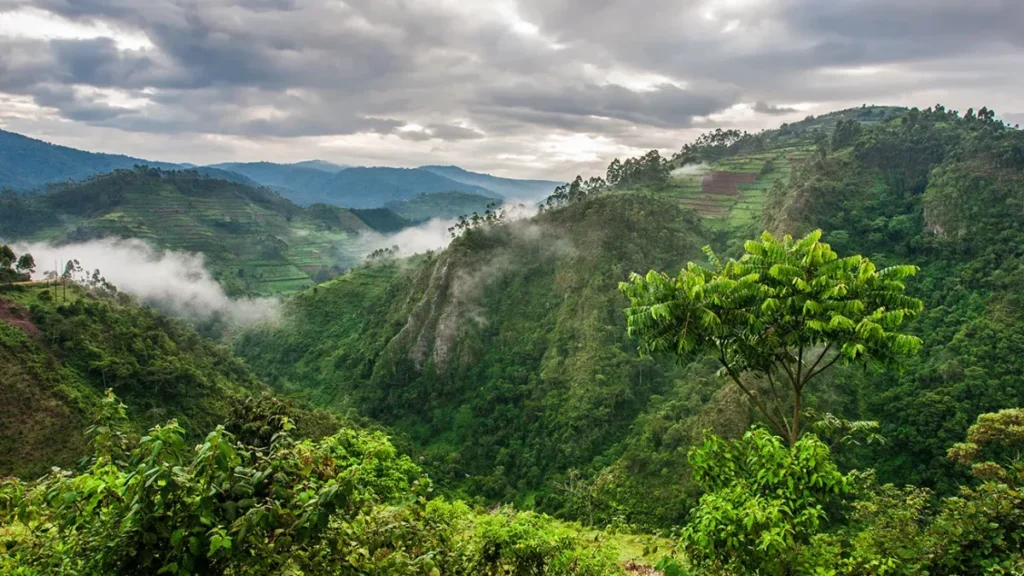
What is Bwindi Famous For?
Bwindi Impenetrable National Park stands as the ultimate crown jewel of Uganda’s diverse natural tourism landscape. This prehistoric forest remains one of the most biologically wealthy regions on the entire African continent today. It spans over 321 square kilometers of rugged ridges and deep, mist-covered valleys in the scenic southwestern region. Many travelers from across the globe ask our team, what is Bwindi famous for when planning their safaris. Primarily, it is the sanctuary for half of the world’s remaining population of endangered mountain gorillas. This ancient rainforest survived the last ice age, creating a unique refuge for thousands of rare species. At Firante Gorilla Treks, we specialize in guiding guests through this complex and beautiful ecosystem with expert care. We provide deep insights into the flora, fauna, and cultural heritage that make this park a global icon. Exploring this wilderness offers a profound connection to nature that changes how you view the world entirely.
What is the General Overview of Bwindi National Park?
A Living Relic of the Ancient World
Bwindi represents one of the few large tracts of East African forest where lowland and montane habitats meet. This unique transition creates a biological melting pot that supports a staggering variety of life forms and plants. The terrain consists of steep, slippery slopes and high altitudes ranging from 1,160 to 2,607 meters high. This elevation creates a cool, moist climate that feeds the dense vegetation and the many flowing forest rivers. This international recognition protects the forest’s “outstanding universal value” and ensures its survival for future generations of trekkers.
The Lungs of Southwestern Uganda
The forest acts as a critical water catchment area for the surrounding agricultural communities in the Kigezi Highlands. It feeds several major rivers that flow into Lakes Edward and Mutanda, supporting both people and regional wildlife. Thick mosses and ferns carpet the forest floor, absorbing moisture from the frequent mountain mists and rain showers. This constant hydration maintains the lush, “impenetrable” character of the forest throughout the entire year. Many scientists and ecologists visit the park to study its complex carbon sequestration and diverse climate-regulating properties.
What are the Unique Features of this Impenetrable Rainforest?
The Architecture of a Prehistoric Jungle
The name “Bwindi” translates to a “place of darkness,” referencing the thick canopy that blocks out the African sun. This density creates a natural fortress where ancient trees like the African Greenheart grow to massive, towering heights. Below these giants, a tangled web of bamboo, vines, and shrubs makes navigation a thrilling and difficult challenge. This physical structure has protected the forest from large-scale human encroachment for thousands of productive years. The forest’s resilience stems from its diverse layers, which provide food and shelter to countless specialized forest creatures.
A Hotspot for Rare Endemic Species
The park hosts more than 220 species of trees and over 100 species of delicate, prehistoric ferns. You can find unique orchids clinging to mossy branches and giant lobelias standing guard in the higher mountain zones. Many of these plants are endemic to the Albertine Rift and exist nowhere else on the planet today. This botanical diversity supports a complex food web that includes primates, forest elephants, and thousands of colorful insects. The forest floor is a treasure trove of fungi and medicinal plants used by local traditional healers.
Which Majestic Wildlife in Bwindi Can Visitors Encounter?
The Famous Mountain Gorillas of Uganda
The most famous residents are the mountain gorillas, which attract thousands of international tourists to Uganda every year. Currently, the park hosts over 450 individuals, living in several habituated family groups across four distinct trekking sectors. These gentle giants share about 98 percent of their DNA with humans, making the encounter deeply personal. Their social structures and nurturing behaviors offer a fascinating glimpse into the complex lives of our closest wild relatives. We ensure that every trek respects their space and preserves their natural, wild behaviors for future viewing.
A Haven for Primates and Rare Birds
Beyond gorillas, the park protects ten other primate species, including chimpanzees and the striking L’Hoest’s monkeys. Birdwatchers flock here to see 350 bird species, including 23 species restricted to the Albertine Rift Valley edge. You might spot the African Green Broadbill or the Great Blue Turaco amidst the high, leafy forest canopy. Elusive forest elephants, giant forest hogs, and several species of small forest antelopes also roam the deep interior. This high density of large mammals in a rainforest environment is truly rare and scientifically significant.
What Thrilling Activities in Bwindi Should You Try?
The Life-Changing Gorilla Trekking Experience
Gorilla trekking remains the most popular and sought-after activity within the borders of this magnificent mountain park. This adventure involves hiking through steep terrain to spend one precious hour observing a wild gorilla family group. For a deeper dive, the Gorilla Habituation Experience allows four hours of observation with a semi-habituated group. This provides more time to understand their daily routines, feeding habits, and complex social interactions in the wild. IOur guides ensure you have the best possible chance of a successful and safe encounter every time.
Forest Hiking and Specialized Birding Tours
Nature lovers can explore several well-marked hiking trails that showcase the park’s waterfalls and stunning panoramic mountain views. The Waterfall Trail in Buhoma takes you past ancient trees and colorful butterflies to a thundering forest cascade. Specialized birding tours focus on finding the rare endemics hidden in the swampy areas or high mountain ridges. You can also enjoy mountain biking tours along the forest fringe to see the changing landscape and villages. These activities allow you to experience the forest’s beauty without the physical intensity of a full gorilla trek.
What Cultural Experiences Exist Near the Safari Lodges?
The Batwa Forest People’s Ancient Heritage
The Batwa Pygmies lived as hunters and gatherers inside Bwindi for millennia before it became a national park. Today, you can visit their communities to learn about their ancient forest survival skills and medicinal plant knowledge. They demonstrate how they started fires with sticks and hunted with traditional bows and handcrafted wooden arrows. Their vibrant songs and dances tell the history of a people who lived in harmony with the mountain gorillas. It provides a human perspective on conservation and the history of this “impenetrable” green African wilderness.
Village Walks and Local Craft Centers
Walking through the nearby Bakiga villages allows you to see how people farm on incredibly steep mountain hillsides. You can visit local schools, traditional healers, and women’s craft groups that weave beautiful, vibrant sisal baskets. These tours support the local economy and ensure that communities benefit directly from the presence of the park. You might even learn how to brew traditional banana beer or grind millet into flour using ancient stones. Engaging with the local people enriches your safari and provides context to the region’s modern conservation success stories.
How do Conservation and Challenges Impact the Forest?
Protecting the Future of the Primates
The survival of the mountain gorillas depends on strict conservation rules and constant monitoring by dedicated park rangers. Bwindi faces challenges like habitat loss due to the high human population density surrounding the park’s borders. Revenue-sharing programs help by giving 20 percent of park entry fees back to the local community projects. This money funds schools, clinics, and roads, encouraging locals to protect the forest instead of exploiting its resources. Every visitor contributes to these efforts, making the park a global model for successful community-based wildlife conservation.
Health and Disease Prevention
Because gorillas share so much DNA with us, they are highly susceptible to human-borne respiratory diseases and viruses. Trekkers must maintain a distance of at least ten meters and wear masks during the actual gorilla encounter. These rules protect the gorillas from common colds or more serious infections that could devastate a family group. Researchers constantly study the gorillas’ health to ensure their population continues to grow and thrive in the wild. We take these regulations seriously to ensure the long-term safety of these incredible and gentle forest giants.
How Can You Master Getting to Bwindi Safely?
The Scenic Drive through the Pearl of Africa
Reaching Bwindi usually involves a long, beautiful drive from Entebbe or Kampala that takes about eight to ten hours. You will pass the Equator and see the changing landscapes of Uganda, from flat savannah to rolling hills. This journey allows you to see the “Switzerland of Africa” with its terraced gardens and vibrant local markets. A 4×4 safari vehicle is essential for navigating the winding, unpaved roads that lead into the mountain sectors. It builds anticipation as the misty silhouettes of the ancient forest finally appear on the distant horizon.
Flying into the Heart of the Mist
Domestic airlines offer scheduled and chartered flights from Entebbe International Airport to the Kihihi or Kisoro airstrips. These flights take about one hour and save you a full day of travel on the bumpy roads. From the airstrip, a short road transfer of one to two hours brings you to your safari lodge. This is the preferred method for luxury travelers or those with a very limited amount of safari time. Flying provides a stunning aerial view of the crater lakes and the vastness of the impenetrable forest canopy.
What Quality Accommodation in Bwindi Awaits You?
Luxury Forest Retreats and Eco-Lodges
Bwindi offers a wide range of accommodation options, from world-class luxury lodges to comfortable, mid-range forest camps. Luxury lodges like Sanctuary Gorilla Forest Camp offer high-end amenities and private decks overlooking the dense forest canopy. Many lodges are built using sustainable materials and employ local people to minimize their environmental footprint. You can enjoy gourmet meals and warm hospitality while listening to the sounds of the African jungle at night. Staying near the park entrance ensures you are ready for your morning briefing without any long commutes.
Budget-Friendly and Community Stays
For those on a tighter budget, there are several clean and welcoming guesthouses run by the local community. These options provide an authentic Ugandan experience and ensure your tourism dollars stay within the local village economy. You might find yourself sharing stories with other travelers around a campfire under a bright, starry African sky. These lodges often have the best views of the forest edge and offer delicious, home-cooked traditional meals. Most lodges provide packed lunches and walking sticks for your trek, ensuring you are well-prepared for the mountains.
When is the Best Time to Visit Bwindi for Safaris?
The Dry Seasons for Easier Trekking
The best months to visit are June through August and December through February when the forest is relatively dry. During these times, the trails are less slippery, and the gorillas are easier to track through the thick brush. Clear skies provide excellent light for photography and offer the best views of the distant Virunga Volcanoes. This is the peak season, so you should book your gorilla permits several months in advance to ensure availability. However, the forest is a rainforest, so you should always be prepared for a sudden, refreshing mountain shower.
The Lush Beauty of the Rainy Months
The rainy seasons from March to May and September to November bring a different, vibrant magic to the forest. The vegetation becomes an intense, deep green, and the air is incredibly crisp and clean after the rain. Some lodges offer discounted rates during these months, making it a great time for savvy, budget-conscious travelers. You might also find that the gorillas stay at lower altitudes to feast on fresh, young bamboo shoots. There are fewer crowds on the trails, providing a more intimate and quiet experience with the ancient forest.
Conclusion: What is Bwindi Famous For?
In conclusion, Bwindi Impenetrable National Park is a global treasure that offers more than just a typical safari. It is a place of deep history, incredible biodiversity, and life-changing encounters with our primate cousins, the gorillas. From the misty mountain peaks to the vibrant local cultures, every moment spent here is truly special and unique. We at Firante Gorilla Treks invite you to discover the magic and the mystery of this ancient land. Whether you are a birdwatcher, a hiker, or a gorilla lover, the park will exceed your wildest expectations. Now that you know what is Bwindi famous for, the next step is to book your journey. We are ready to show you the heart of the forest and help you create memories that last forever. Come and witness the “Pearl of Africa” in its most pure and “impenetrable” form with our expert team.
