
Is a Hot Air Balloon Safari Over the Maasai Mara Easily Coordinated from Angama Mara?
June 11, 2026
What Unique Hiking Excursions
June 15, 2026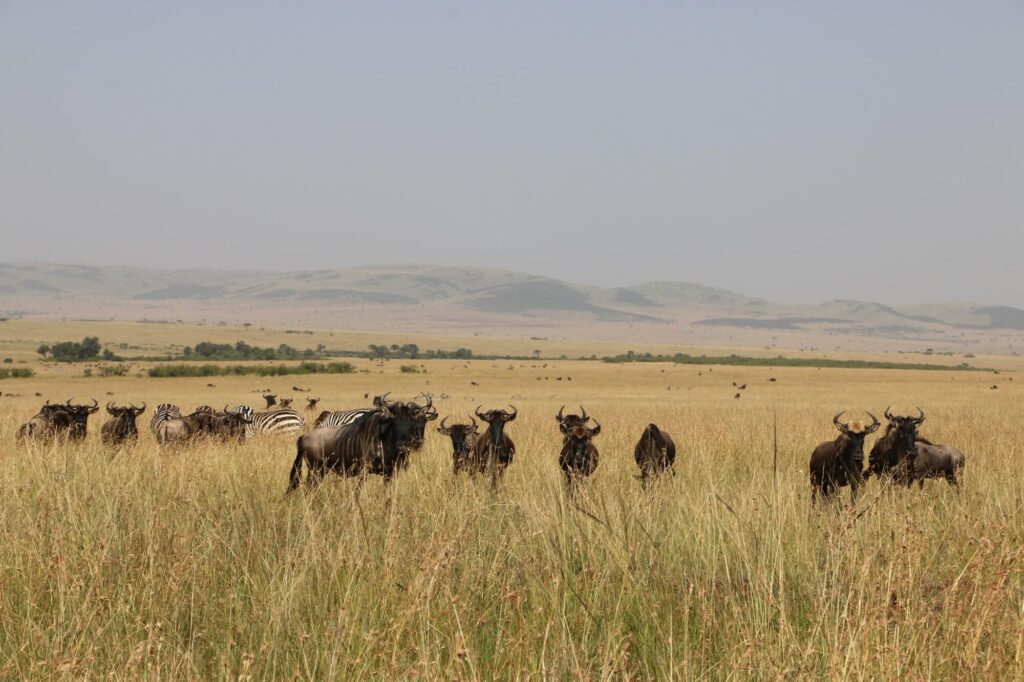
How Does Wildlife Viewing in the Mara Triangle Differ from the Central or Eastern Maasai Mara?
Many safari travelers planning a visit to Kenya’s famous Maasai Mara often ask, “How does wildlife viewing in the Mara Triangle differ from the central or eastern Maasai Mara?” While all sections of the Maasai Mara offer outstanding wildlife experiences, each area has unique characteristics that influence game viewing, visitor experiences, and safari opportunities.
Understanding how does wildlife viewing in the Mara Triangle differ from the central or eastern Maasai Mara can help travelers choose the safari experience that best matches their interests, whether they seek fewer crowds, dramatic Great Migration sightings, predator encounters, or authentic cultural interactions.
What Is the Mara Triangle and Where Is It Located?
To fully understand how does wildlife viewing in the Mara Triangle differ from the central or eastern Maasai Mara, it is important to know where the Mara Triangle is located.
The Mara Triangle occupies the western section of the Maasai Mara National Reserve. It is bordered by the Mara River to the east and the Oloololo Escarpment to the west. This section covers a vast wilderness area and is widely recognized for its effective conservation management and lower tourist density.
Compared to the central and eastern Maasai Mara, the Mara Triangle often offers a more exclusive and tranquil safari environment.
How Does Wildlife Viewing in the Mara Triangle Differ from the Central or Eastern Maasai Mara in Terms of Crowds?
One of the biggest answers to how does wildlife viewing in the Mara Triangle differ from the central or eastern Maasai Mara is the number of safari vehicles present during wildlife sightings.
The Mara Triangle generally experiences fewer visitors compared to the central and eastern sections of the reserve. As a result, guests often enjoy more private wildlife encounters without large numbers of vehicles surrounding animals.
In the central Maasai Mara, popular wildlife sightings can sometimes attract multiple vehicles, particularly during the peak migration season. The Mara Triangle’s lower visitor numbers create a more intimate and relaxed safari experience.
Does the Mara Triangle Offer Better Great Migration Viewing?
Another common aspect of how does wildlife viewing in the Mara Triangle differ from the central or eastern Maasai Mara involves the Great Migration.
The Mara Triangle is home to several important Mara River crossing points used by migrating wildebeests and zebras. During the migration season, typically between July and October, visitors may witness dramatic river crossings as thousands of animals brave strong currents and crocodile-infested waters.
While migration activity can also be observed in the eastern Maasai Mara, the Mara Triangle is often regarded as one of the premier locations for river crossing experiences due to its strategic position along the migration routes.
How Does Wildlife Viewing in the Mara Triangle Differ from the Central or Eastern Maasai Mara for Predator Sightings?
When exploring how does wildlife viewing in the Mara Triangle differ from the central or eastern Maasai Mara, predator encounters are an important consideration.
The Mara Triangle supports healthy populations of:
- Lions
- Leopards
- Cheetahs
- Hyenas
- Jackals
The abundance of herbivores creates excellent hunting opportunities for predators throughout the year. Because of the area’s expansive open plains and lower vehicle traffic, guests often enjoy natural predator behavior without excessive disturbance.
Both the central and eastern Maasai Mara also offer excellent predator viewing, but many photographers appreciate the quieter conditions found within the Mara Triangle.
Are Wildlife Densities Different Between the Mara Triangle and Other Areas?
Another way to answer how does wildlife viewing in the Mara Triangle differ from the central or eastern Maasai Mara is by examining wildlife distribution.
The Mara Triangle supports large populations of resident wildlife throughout the year, including:
- African elephants
- Buffaloes
- Giraffes
- Zebras
- Topis
- Elands
- Impalas
- Wildebeests
- Hippos
Because of effective conservation management and extensive grasslands, wildlife viewing remains excellent even outside migration season. While the central and eastern Maasai Mara also host abundant wildlife, the Mara Triangle‘s open landscapes often make animal sightings easier and more rewarding.
How Does Wildlife Viewing in the Mara Triangle Differ from the Central or Eastern Maasai Mara for Photography?
Photography enthusiasts frequently ask how does wildlife viewing in the Mara Triangle differ from the central or eastern Maasai Mara because photographic conditions can vary significantly.
The Mara Triangle‘s vast open plains, dramatic escarpment backdrops, and reduced vehicle density create ideal conditions for wildlife photography. Photographers often find it easier to capture clean images without other vehicles appearing in the background.
Golden sunrises, dramatic sunsets, and wide panoramic landscapes provide additional opportunities for stunning wildlife and landscape photography.
Which Luxury Safari Lodges Provide Access to the Mara Triangle?
Understanding how does wildlife viewing in the Mara Triangle differ from the central or eastern Maasai Mara also involves choosing the right accommodation.
Luxury safari lodges such as Angama Mara offer direct and convenient access to the Mara Triangle. Their strategic locations allow guests to enter prime wildlife areas quickly, maximizing game-viewing opportunities throughout the day.
These lodges combine exceptional hospitality, expert-guided safaris, and breathtaking views overlooking the Mara ecosystem.
What Cultural Experiences Can Visitors Enjoy Near Mara Triangle Safari Lodges?
While learning how does wildlife viewing in the Mara Triangle differ from the central or eastern Maasai Mara, visitors should also explore the rich Maasai cultural heritage surrounding the reserve.
Visiting Traditional Maasai Villages
Guests can visit nearby Maasai communities and gain valuable insight into traditional lifestyles, livestock management practices, and cultural traditions that have endured for generations.
Experiencing Maasai Dance and Music
Traditional Maasai singing and dancing performances allow visitors to experience vibrant cultural expressions that remain central to community celebrations and ceremonies.
Learning Traditional Maasai Craftsmanship
Local artisans produce beautiful beadwork, jewelry, baskets, and handmade crafts. Visitors can learn about traditional techniques while supporting community-based tourism initiatives.
Storytelling with Maasai Elders
Maasai elders often share fascinating stories about their history, customs, wildlife conservation efforts, and spiritual beliefs, providing visitors with a deeper understanding of the region’s cultural heritage.
Participating in Community Conservation Programs
Many safari lodges support projects that benefit both local communities and wildlife conservation. Guests can learn how tourism contributes to sustainable development and environmental protection.
How Does Wildlife Viewing in the Mara Triangle Differ from the Central or Eastern Maasai Mara During Peak Safari Season?
Another important factor in how does wildlife viewing in the Mara Triangle differ from the central or eastern Maasai Mara is the overall safari atmosphere during peak travel months.
During migration season, the central and eastern Maasai Mara attract large numbers of visitors seeking wildlife experiences. While wildlife viewing remains spectacular, some areas may become busier.
The Mara Triangle often maintains a more exclusive feel, allowing visitors to enjoy remarkable wildlife encounters with fewer distractions and a stronger sense of wilderness.
Why Do Many Safari Experts Prefer the Mara Triangle?
The reason many safari specialists discuss how does wildlife viewing in the Mara Triangle differ from the central or eastern Maasai Mara is because the Mara Triangle combines several advantages.
These include:
- Fewer safari vehicles
- Exceptional predator sightings
- Excellent migration viewing
- Outstanding photography opportunities
- Well-managed conservation practices
- Scenic landscapes
- Exclusive safari experiences
These factors contribute to a premium safari experience that appeals to both first-time visitors and seasoned safari travelers.
Conclusion: How Does Wildlife Viewing in the Mara Triangle Differ from the Central or Eastern Maasai Mara?
The answer to how does wildlife viewing in the Mara Triangle differ from the central or eastern Maasai Mara lies in its quieter atmosphere, lower visitor numbers, exceptional migration viewing opportunities, abundant wildlife, outstanding predator encounters, and superior photography conditions.
While every section of the Maasai Mara offers unforgettable wildlife experiences, the Mara Triangle provides a more exclusive and immersive safari environment. Combined with luxury accommodations, authentic Maasai cultural experiences, and breathtaking scenery, it remains one of Africa’s most rewarding safari destinations.
For travelers seeking a premium Kenyan safari experience, understanding how does wildlife viewing in the Mara Triangle differ from the central or eastern Maasai Mara can help ensure a truly memorable adventure.
Contact Firante Gorilla Treks for expertly guided Maasai Mara safaris, luxury lodge bookings, Great Migration tours, and unforgettable wildlife experiences across East Africa.
