
What Is the Cheapest Way to Go Gorilla Trekking?
April 16, 2026
How Difficult Is Gorilla Trekking in Rwanda?
April 16, 2026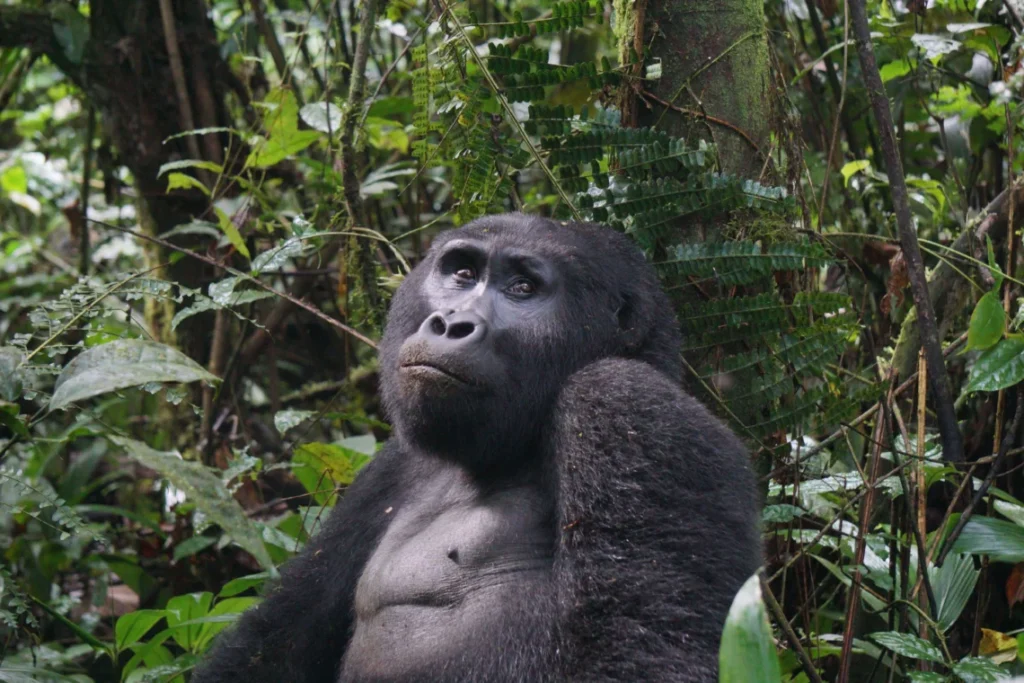
How Many Days Do You Need for Gorilla Trekking?
The question “How many days do you need for gorilla trekking?” shapes every successful safari plan in East Africa. Travelers who understand the ideal duration enjoy a smoother journey, better wildlife encounters, and meaningful cultural experiences. Firante Gorilla Treks designs itineraries that balance time, comfort, and unforgettable adventure.
Gorilla trekking ranks among Africa’s most extraordinary wildlife experiences. Travelers walk through dense forests, guided by expert trackers, to meet mountain gorillas in their natural habitat. This rare encounter requires careful planning, especially regarding time allocation. A rushed itinerary often reduces the overall quality of the experience.
A minimum of three days creates a solid foundation for a gorilla trekking safari. This timeframe allows travel to the park, participation in the trek, and a comfortable return journey. However, extending the safari adds depth, relaxation, and additional exploration opportunities.
Overview of How Many Days Do You Need for Gorilla Trekking?
A three-day safari provides the minimum time needed for a complete and satisfying experience. This duration ensures proper travel arrangements, adequate rest, and full participation in the trekking activity.
Day one focuses on travel to the gorilla habitat. Travelers journey to parks such as Bwindi Impenetrable Forest or Mgahinga Gorilla National Park in Uganda. Others may choose Volcanoes National Park in Rwanda. Road travel offers scenic views of rolling hills, rural communities, and lush landscapes.
Day two centers on the main highlight, which involves tracking mountain gorillas. Visitors join guided groups and follow experienced rangers through forest trails. The trek duration varies depending on the gorilla family location. Once found, visitors spend one hour observing these remarkable primates.
Day three allows for departure or return travel. This day ensures a relaxed exit without unnecessary pressure. Travelers can also include short cultural visits before leaving.
Unique Features of How Many Days Do You Need for Gorilla Trekking?
A well-planned itinerary transforms a simple trek into a complete African safari experience. Travelers gain deeper connections with nature, wildlife, and local communities.
A three-day safari offers efficiency and focus. However, extending the trip to four or five days introduces flexibility and comfort. Extra time allows travelers to rest after long journeys and adjust to the environment. This approach reduces fatigue and improves overall enjoyment.
Longer itineraries also provide opportunities to explore multiple regions. Travelers can combine gorilla trekking with visits to nearby attractions. These may include scenic lakes, tea plantations, and forest trails. Such additions enrich the overall experience without significant cost increases.
Another unique feature involves cultural immersion. Visitors interact with local communities and learn about traditional lifestyles. These experiences create lasting memories and a deeper appreciation of African heritage.
Wildlife in How Many Days Do You Need for Gorilla Trekking?
Gorilla trekking remains the main highlight, yet Uganda and Rwanda offer diverse ecosystems filled with fascinating species.
During a three-day safari, travelers focus primarily on mountain gorillas. However, they still encounter other wildlife along forest trails. These include monkeys, forest birds, and small mammals. The biodiversity within these parks creates a vibrant and dynamic environment.
Extending the safari allows for broader wildlife exploration. Visitors can include game drives in savannah parks such as Queen Elizabeth National Park. These areas host elephants, lions, buffaloes, and antelopes. Combining forest and savannah experiences creates a well-rounded safari.
Birdwatching also adds value to longer itineraries. Uganda supports over 1,000 bird species, making it a top destination for bird enthusiasts. Forest walks reveal rare and colorful species that enhance the adventure.
Activities in How Many Days Do You Need for Gorilla Trekking?
A well-planned itinerary includes additional activities that enhance the safari experience. These activities provide cultural, educational, and recreational value.
Nature walks offer close interaction with the environment. Guided walks introduce travelers to forest ecosystems, medicinal plants, and birdlife. These experiences require minimal cost while delivering significant insight.
Cultural visits create meaningful connections with local communities. Travelers engage in traditional dances, storytelling, and craft-making sessions. These interactions highlight the rich heritage surrounding gorilla habitats.
The Batwa cultural experience stands out as a unique activity. Visitors learn about the Batwa people, who lived in forests for generations. This experience includes demonstrations of traditional hunting and survival skills.
Hiking opportunities also exist in regions such as Mgahinga. Trails lead to volcanic peaks and scenic viewpoints. These hikes add adventure and variety to the safari.
Conservation and Challenges in How Many Days Do You Need for Gorilla Trekking?
Gorilla trekking operates under strict guidelines to protect endangered species and their habitats.
A longer stay allows travelers to understand conservation initiatives more deeply. Visitors learn about anti-poaching efforts, habitat protection, and community involvement. This knowledge fosters responsible travel behavior and environmental awareness.
Permit fees contribute directly to conservation funding. These funds support park management, ranger salaries, and community development projects. Every visitor plays a role in sustaining these efforts.
However, challenges continue to affect gorilla populations. Habitat loss, climate change, and disease threats require ongoing attention. Sustainable tourism remains essential for long-term conservation success.
Responsible travel practices include maintaining distance from gorillas and following ranger instructions. These actions protect both wildlife and visitors.
Getting to How Many Days Do You Need for Gorilla Trekking?
Travel time significantly influences itinerary planning and overall experience quality.
Road travel remains the most common option in Uganda. The journey from Kampala or Entebbe to Bwindi or Mgahinga takes about eight to ten hours. This scenic route passes through rolling hills, rural landscapes, and vibrant communities.
Domestic flights offer faster access but increase costs. Budget travelers often prefer road travel to maintain affordability. However, flights suit travelers with limited time.
Travel logistics require careful planning to avoid fatigue. Many itineraries include stopovers to break long journeys. These stops provide opportunities to explore additional attractions.
Group tours simplify transportation arrangements. Shared vehicles reduce costs and enhance convenience. Firante Gorilla Treks offers reliable and well-organized travel solutions.
Accommodation in How Many Days Do You Need for Gorilla Trekking?
The right lodging enhances comfort, convenience, and overall experience.
Budget lodges provide affordable yet comfortable options near park entrances. These lodges offer clean rooms, warm meals, and friendly service. Their proximity reduces travel time to trekking starting points.
Mid-range and luxury lodges offer additional amenities. These include scenic views, private cottages, and personalized services. Travelers can choose based on budget and preferences.
Community-run lodges provide unique cultural experiences. Guests interact with local communities and support sustainable tourism initiatives. This option combines comfort with cultural immersion.
Camping offers the most economical choice for adventurous travelers. Campsites provide basic facilities and close proximity to nature.
Best Time to Visit for How Many Days Do You Need for Gorilla Trekking?
The best time to visit affects trekking conditions, costs, and overall experience.
Dry seasons occur from June to August and December to February. These months provide easier trekking conditions and clearer trails. However, they also attract higher visitor numbers.
Rainy seasons offer fewer crowds and lower accommodation rates. Trails may become slippery, yet the forest appears lush and vibrant. Prepared travelers still enjoy successful treks during these periods.
Planning travel during shoulder seasons balances cost and convenience. This approach allows travelers to avoid peak crowds while enjoying favorable conditions.
Conclusion: How Many Days Do You Need for Gorilla Trekking?
The question “How many days do you need for gorilla trekking?” leads to a clear and practical answer. A minimum of three days provides a complete and satisfying safari experience. This timeframe allows travel, trekking, and departure without unnecessary pressure.
However, extending the safari to four or five days significantly enhances the experience. Extra time allows for relaxation, cultural exploration, and additional wildlife encounters. Travelers gain deeper connections with nature and local communities.
Firante Gorilla Treks delivers expertly designed itineraries that balance time, cost, and experience quality. The company combines local knowledge, professional service, and a commitment to sustainable tourism.
Gorilla trekking offers more than wildlife observation. It creates lasting memories, cultural understanding, and conservation awareness. Proper planning ensures a rewarding and unforgettable journey.
Understanding “How many days do you need for gorilla trekking?” empowers travelers to make informed decisions. With the right approach, every visitor can enjoy one of Africa’s most remarkable adventures.
