
Can I Combine Gorilla Trekking with Other Activities?
April 2, 2026
Can I Do a Budget-Friendly Gorilla Trek in Uganda?
April 7, 2026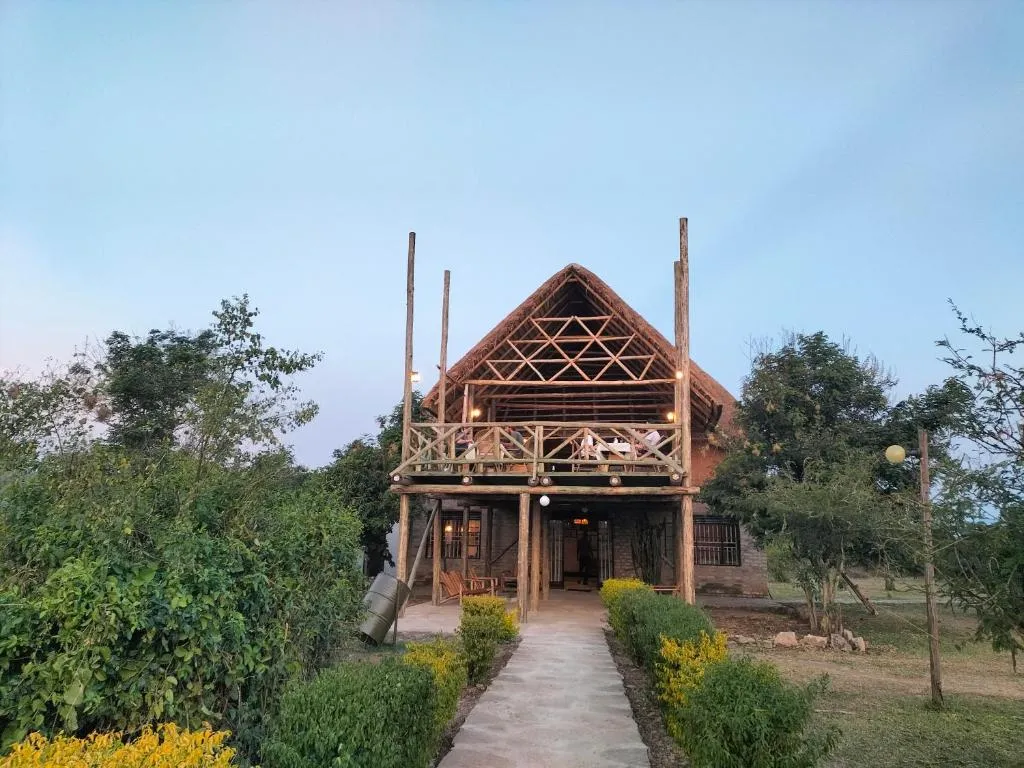
What’s the Accommodation Like in Uganda’s National Parks?
What’s the accommodation like in Uganda’s national parks? Uganda stands as one of Africa’s most diverse and authentic safari destinations, offering unmatched biodiversity and cultural richness. A Uganda safari delivers more than wildlife encounters because it blends comfort, nature, and immersive experiences into one journey.
Accommodation forms a central part of this experience because it directly influences comfort, accessibility, and connection with nature. Travelers discover a wide range of lodging options across Uganda’s national parks, each designed to match different budgets and travel styles. From simple campsites surrounded by wilderness to luxurious lodges overlooking vast landscapes, every option enhances the safari experience in its own way.
Moreover, these accommodations reflect Uganda’s commitment to sustainable tourism and conservation. Many lodges integrate eco-friendly designs and support local communities, which strengthens their value beyond hospitality. This article explores every aspect of accommodation in Uganda’s national parks while addressing essential questions about Uganda safari experiences. Firante Gorilla Treks presents this detailed guide to help global travelers understand what awaits them in Uganda’s extraordinary wilderness.
Overview of Uganda Safari
Uganda offers a unique safari environment that differs from traditional African destinations. Travelers encounter lush rainforests, expansive savannahs, crater lakes, and powerful rivers within relatively short distances.
Accommodation options reflect this diversity by adapting to each ecosystem. Lodges near forests focus on privacy and tranquility, while savannah lodges emphasize panoramic wildlife views. Each setting creates a distinctive atmosphere that enhances the safari journey.
Furthermore, Uganda safari accommodations prioritize authenticity and intimacy. Many lodges feature fewer rooms, which ensures personalized service and quiet surroundings. Guests enjoy close interactions with staff who often come from nearby communities, adding a cultural dimension to their stay.
In addition, accommodations serve as strategic bases for activities such as gorilla trekking, game drives, and birdwatching. Their locations allow easy access to park attractions, which maximizes time spent exploring nature. Travelers benefit from seamless logistics and well-organized itineraries.
Overall, accommodation plays a vital role in shaping the Uganda safari experience. It connects visitors with nature while providing comfort and security, making every journey memorable and meaningful.
Unique Features of Uganda Safari
Uganda safari lodges stand out due to their strong connection with the environment and local culture. Many accommodations use natural materials such as wood, stone, and thatch to blend with their surroundings.
Eco-conscious design remains a defining feature across most lodges. Solar power, rainwater harvesting, and waste management systems reduce environmental impact while maintaining modern comfort. This approach aligns with global sustainability standards and attracts environmentally conscious travelers.
Additionally, location plays a key role in uniqueness. Some lodges sit on hilltops overlooking valleys, while others lie along riverbanks or deep within forests. These settings offer breathtaking views and direct access to wildlife habitats.
Another distinguishing element involves personalized guest experiences. Staff members deliver attentive service and tailor activities to individual preferences. Guests often enjoy private dining setups, guided walks, and cultural storytelling sessions.
Moreover, many accommodations integrate cultural elements into their design and operations. Traditional architecture, local art, and regional cuisine create an immersive environment that reflects Uganda’s heritage.
These unique features transform accommodation into more than a place to sleep. They create a meaningful connection between travelers, nature, and culture, which defines the essence of a Uganda safari.
Wildlife in Uganda Safari
Accommodation locations often provide direct access to wildlife, which enhances every safari moment. Many lodges sit near water sources, migration routes, or forest edges where animals frequently appear.
Guests often observe wildlife without leaving their lodges. Elephants, antelopes, and various bird species may roam nearby, offering spontaneous sightings. This proximity creates excitement and deepens the connection with nature.
Furthermore, lodges collaborate with experienced guides who lead game drives and nature walks. These guides possess extensive knowledge about animal behavior and ecosystems, which enriches the safari experience. Guests gain insights that go beyond simple observation.
In forested parks, accommodations near gorilla and chimpanzee habitats provide convenient access for trekking activities. Early departures become easier, which improves the overall experience and reduces travel fatigue.
Additionally, some lodges offer observation decks and viewing platforms. These features allow guests to relax while watching wildlife in a safe and comfortable environment.
Accommodation plays a critical role in wildlife experiences because it positions travelers within the natural environment. This proximity ensures that every moment holds potential for discovery, making Uganda safari adventures truly unforgettable.
Activities in Uganda Safari
Lodges serve as operational hubs for a wide range of activities that define a Uganda safari. Guests access guided game drives, primate trekking, birdwatching tours, and boat safaris directly from their accommodations.
Many lodges organize customized itineraries based on guest interests. This flexibility ensures that travelers maximize their time while enjoying personalized experiences. Activity scheduling becomes seamless and efficient.
Moreover, accommodations often include facilities that support relaxation after adventurous days. Swimming pools, spa services, and comfortable lounges provide spaces to unwind and reflect. These amenities balance excitement with comfort.
Cultural experiences also form part of lodge offerings. Guests visit nearby communities, participate in traditional dances, and learn about local crafts. These interactions create deeper connections with Uganda’s cultural heritage.
Additionally, some lodges offer educational programs about conservation and wildlife protection. These sessions enhance awareness and encourage responsible tourism practices.
Accommodation acts as a central point that connects all safari activities. It ensures convenience, organization, and comfort, which allows travelers to fully enjoy every aspect of their Uganda safari journey.
Conservation and Challenges
Many lodges actively support environmental protection and community development. They implement eco-friendly practices that minimize ecological impact while maintaining high standards of hospitality.
Solar energy systems reduce reliance on non-renewable resources. Water conservation measures ensure sustainable usage in sensitive ecosystems. Waste management programs prevent pollution and protect wildlife habitats.
Furthermore, lodges collaborate with conservation organizations to support wildlife protection initiatives. They contribute funding and awareness programs that help preserve endangered species such as mountain gorillas.
Community involvement remains another critical aspect. Lodges employ local staff, purchase local products, and support education and healthcare projects. These efforts create economic benefits that encourage communities to protect natural resources.
However, challenges still exist. Increasing tourism demand places pressure on ecosystems and infrastructure. Responsible management and continuous improvement remain essential to maintaining balance.
Accommodation plays a vital role in conservation by promoting sustainable practices and supporting local communities. This commitment ensures that Uganda safari experiences remain available for future generations.
Getting to Uganda Safari
Uganda offers multiple transport options that connect travelers to safari destinations efficiently. International visitors typically arrive through Entebbe International Airport, which serves as the main entry point.
From there, travelers access national parks via domestic flights or road transfers. Many lodges provide organized transport services that simplify logistics and enhance convenience. These services ensure smooth transitions between destinations.
Road journeys offer scenic views of Uganda’s landscapes and rural life. Travelers experience the country’s diversity while moving between parks. However, some remote areas require longer travel times, which adds an element of adventure.
Domestic flights reduce travel time significantly and provide aerial views of Uganda’s natural beauty. Airstrips near major parks allow quick access to lodges, especially for luxury travelers.
Additionally, lodges coordinate pick-up and drop-off services to ensure seamless arrivals and departures. This coordination enhances comfort and reduces travel stress.
Accessibility plays an important role in shaping the overall Uganda safari experience. Efficient transport options ensure that travelers reach their accommodations بسهولة and begin their adventures without complications.
Accommodation in Uganda Safari: What Options Are Available?
Uganda offers a broad range of accommodation options that cater to different budgets and preferences. Travelers choose from budget campsites, mid-range lodges, and high-end luxury accommodations.
Budget options include basic campsites and simple bandas that provide essential facilities. These options suit adventurous travelers who prioritize affordability and proximity to nature.
Mid-range lodges offer comfortable rooms, private bathrooms, and quality dining services. They balance cost and comfort, making them popular among many travelers.
Luxury lodges provide exceptional experiences with spacious suites, fine dining, and premium amenities. Guests enjoy features such as swimming pools, spa services, and panoramic views of surrounding landscapes.
Many accommodations incorporate eco-friendly designs and local architectural styles. This approach enhances authenticity and sustainability while maintaining modern comfort.
Accommodation diversity ensures that every traveler finds a suitable option for their Uganda safari. This flexibility makes Uganda an inclusive destination that caters to a global audience.
Best Time to Visit Uganda Safari
Uganda experiences two main dry seasons and two rainy seasons, which influence travel conditions and accommodation availability.
Dry seasons offer the best conditions for wildlife viewing and outdoor activities. Lodges experience higher demand during these periods, so early booking becomes essential. Travelers enjoy easier access to parks and clearer trails.
Rainy seasons bring lush landscapes and fewer crowds. Accommodation rates may decrease, which provides cost advantages for budget-conscious travelers. However, some roads become challenging, which requires careful planning.
Additionally, birdwatching improves during rainy periods due to increased activity and migration patterns. Lodges cater to bird enthusiasts by organizing specialized tours.
Seasonal variations influence the overall safari experience, including accommodation availability and pricing. Understanding these patterns helps travelers plan effectively and choose the best time for their Uganda safari.
Cultural Experiences Around Safari Lodges
Many lodges offer opportunities to explore nearby communities and traditions. These experiences enrich the safari journey by adding a human connection.
Guests participate in cultural visits that include traditional dances, storytelling, and craft-making sessions. These activities provide insight into local lifestyles and heritage.
Additionally, visitors explore local markets and taste traditional Ugandan cuisine. These interactions create memorable experiences and support local economies.
Community tours often include visits to schools and conservation projects. Travelers learn about challenges and initiatives that shape the region’s future.
Cultural experiences complement wildlife adventures and create a well-rounded Uganda safari. Accommodation providers play a key role in facilitating these interactions and ensuring respectful engagement.
Conclusion: Why Accommodation Defines the Uganda Safari Experience
What’s the accommodation like in Uganda’s national parks ultimately reveals the essence of a Uganda safari. Accommodation goes beyond providing a place to stay because it shapes every aspect of the journey. It connects travelers with nature, wildlife, and culture in meaningful ways.
Uganda offers diverse accommodation options that cater to all travelers, from budget explorers to luxury seekers. Each option delivers unique experiences that reflect the country’s natural beauty and cultural richness.
Moreover, lodges contribute to conservation and community development, which strengthens their value in sustainable tourism. This commitment ensures that Uganda remains a leading destination in Africa’s tourism industry.
Firante Gorilla Treks presents this guide to help travelers understand and appreciate the accommodation experience in Uganda’s national parks. With the right choice of lodging, every Uganda safari becomes an unforgettable adventure filled with discovery, comfort, and inspiration.
