

Where is Bwindi Impenetrable National Park Located?
May 4, 2026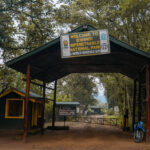
Is Bwindi a UNESCO World Heritage Site?
May 4, 2026
Why is Bwindi called “Impenetrable”?
Bwindi Impenetrable National Park stands as a legendary sanctuary in the rugged southwestern corner of Uganda. This ancient forest represents one of the most biologically diverse regions on the entire African continent. Many travelers ask about the origins of its formidable name and the secrets hidden within its green depths. The word Bwindi actually translates to a “place of darkness” in the local Runyakitara language. This name perfectly captures the mysterious essence of a forest where sunlight rarely touches the damp floor. Dense thickets of bamboo, ferns, and vines create a natural fortress that challenges even the most seasoned explorers. At Firante Gorilla Treks, we believe this name signifies the purity and resilience of an untouched wild paradise.
What is the Geographical Overview of this Ancient Forest?
The Landscape of the Albertine Rift
Bwindi occupies a massive block of forest along the edge of the Albertine Rift Valley. The terrain consists of incredibly steep ridges and deep, narrow valleys that stretch across 321 square kilometers. These dramatic altitude changes create various ecological zones within a relatively small geographic area. You will find elevations ranging from 1,160 meters to over 2,600 meters above sea level. This verticality contributes to the difficult navigation that defines the region for trekkers and researchers alike.
A Relic of the Pleistocene Era
Scientific records suggest this forest is over 25,000 years old, making it an ancient ecological survivor. While other forests disappeared during the last ice age, Bwindi remained a lush refuge for diverse species. This longevity allowed evolution to flourish without interruption for thousands of years in these mountains. The sheer age of the trees and soil creates a complex web of life found nowhere else.
What are the Unique Features of Bwindi’s Vegetation?
The Architecture of the Canopy
The forest structure features multiple layers of plants that interlock to block out the bright African sun. Giant hardwood trees like the African Greenheart grow alongside thick stands of mountain bamboo and tree ferns. Below these giants, a secondary layer of shrubs and herbs fills every available inch of space. This creates a literal wall of greenery that requires a machete to navigate in many sections.
Biodiversity Hotspot of East Africa
Bwindi hosts more than 220 species of trees and over 100 species of delicate ferns. It is a botanical wonderland that supports a staggering variety of life forms within its borders. Rare orchids cling to mossy branches while epiphytes drape down like natural curtains from the high canopy. This plant diversity provides the necessary food and shelter for the endangered mountain gorillas living here. Such a rich botanical heritage reinforces the importance of protecting this magnificent and dense prehistoric rainforest.
Which Majestic Wildlife in Bwindi Can You Encounter?
The Gentle Giants of the Mist
Bwindi provides a safe home to approximately half of the world’s remaining mountain gorilla population. Watching a silverback lead his family through the thick brush is a profound and moving experience. You observe their social bonds, their gentle nature, and their immense physical strength in their natural habitat. This encounter remains one of the most exclusive and life-changing wildlife experiences available on the planet.
A Primate and Birding Paradise
Beyond the famous gorillas, the park protects ten other primate species, including the agile L’Hoest’s monkeys. Chimpanzees also inhabit the deeper parts of the forest, though they remain more elusive than the gorillas. Birdwatchers can identify over 350 bird species, including 23 species endemic to the Albertine Rift region. The African Green Broadbill and the Grauer’s Warbler are highly sought-after sightings for dedicated avian enthusiasts. Every creature here relies on the thick cover of the forest to survive and thrive peacefully.
What Exciting Activities in Bwindi Await Modern Explorers?
The Thrill of Gorilla Trekking
Gorilla trekking is the most popular activity, taking you deep into the heart of the misty forest. You follow expert rangers who track the movements of habituated gorilla families through the dense mountain terrain. The hike can last between two to seven hours depending on where the gorillas nested that night. It is a physical challenge that rewards you with an intimate hour in the presence of greatness.
Nature Walks and Forest Hiking
For those who want to see more, several hiking trails wind through the scenic forest interior. The Waterfall Trail offers a stunning view of three distinct waterfalls hidden within the leafy green canopy. The Muzabajiro Loop provides breathtaking panoramic views of the Virunga Volcanoes and the Western Rift Valley. These walks allow you to appreciate the smaller details, like colorful butterflies and rare forest flora. Each path reveals a different layer of the forest’s complex and beautiful ancient ecosystem.
What are the Cultural Experiences Around the Forest Lodges?
Meeting the Batwa Forest People
The Batwa Pygmies lived as hunter-gatherers in Bwindi for thousands of years before it became a park. You can join the Batwa Experience to learn about their ancient forest traditions and survival skills. They demonstrate how they used to hunt with bows and collect medicinal honey from high trees. Their stories and songs offer a glimpse into a way of life that respected the forest’s boundaries.
Village Walks and Local Traditions
Near the park boundaries, the Bakiga people maintain vibrant farming communities on the steep, terraced hillsides. You can visit local homesteads to see how they brew traditional banana beer or grind millet. Local craft groups sell beautiful hand-woven baskets and wood carvings that support the regional community economy. Engaging with these neighbors provides a well-rounded perspective of the human history surrounding this wild sanctuary. It turns your safari into a meaningful cultural exchange that benefits both the visitors and the hosts.
How Do Conservation and Challenges Affect the Park Today?
Protecting an Endangered Legacy
Conservation efforts focus heavily on protecting the mountain gorilla habitat from human encroachment and illegal activities. The Uganda Wildlife Authority works with local communities to ensure that tourism revenue supports regional development. This partnership reduces the need for locals to enter the forest for timber or bushmeat hunting. Habitat loss remains a significant threat, as the surrounding population density is among the highest in Africa.
The Impact of Sustainable Tourism
Eco-tourism provides the financial resources needed to pay rangers and fund long-term ecological research projects. When you purchase a permit, you contribute directly to the survival of the mountain gorillas and their home. However, the high number of visitors must be managed carefully to prevent stress on the animals. Strict rules ensure that humans keep a safe distance to prevent the transmission of respiratory diseases. Responsible travel is the only way to guarantee that this “impenetrable” fortress remains standing for centuries.
How Can Travelers Master Getting to Bwindi?
The Scenic Road Journey
Most travelers arrive in Uganda via Entebbe International Airport and then begin a long, scenic road trip. The drive to Bwindi takes about eight to ten hours through the beautiful rolling hills of Mbarara. You will cross the Equator and see various landscapes, from savannah plains to high-altitude mountain forests. A 4×4 safari vehicle is essential for navigating the unpaved, winding roads that lead to the park.
Flying into the Wilderness
If you prefer a faster route, domestic airlines offer scheduled flights from Entebbe to Kihihi or Kisoro. These flights take about one hour and provide a stunning bird’s-eye view of the Ugandan countryside. From the airstrip, a short road transfer of one to two hours brings you to your lodge. This option saves time and energy, allowing you to start your trekking adventure feeling refreshed and ready. Regardless of your transport mode, the final destination is a world-class wilderness unlike any other on earth.
What Quality Accommodation in Bwindi Suits Your Style?
Luxury Lodges in the Canopy
Bwindi offers several high-end lodges that provide world-class comfort in the middle of the remote jungle. Places like Sanctuary Gorilla Forest Camp allow you to sleep in luxury while surrounded by wild sounds. These lodges often feature gourmet dining, private decks, and spa services to help you relax after a trek. They are designed to blend into the environment without disturbing the natural beauty of the forest.
Mid-Range and Budget Options
For those seeking value, many mid-range lodges offer cozy rooms and excellent hospitality at a lower price. Community-run campsites and guesthouses provide a budget-friendly way to stay near the park entrance gates. These accommodations often have the best views of the forest edge and offer authentic local food. No matter your budget, you will find a warm Ugandan welcome and a comfortable place to rest. Your choice of lodge will place you right at the doorstep of this legendary and ancient rainforest.
When is the Best Time to Visit Bwindi for Adventure?
The Ideal Dry Seasons
The best time for gorilla trekking is during the dry months of June to August and December to February. During these periods, the forest floors are drier, and the hiking trails are much easier to navigate. Clearer skies also mean better lighting for those hoping to capture professional-quality wildlife photography during their visit. While it can rain at any time, the dry season offers the most predictable weather for outdoor activities.
The Lush Emerald Season
Visiting during the wet seasons of March to May and September to November has its own unique advantages. The forest becomes a vibrant, deep green, and the air feels incredibly fresh and clean after the rain. Some lodges offer discounted rates during these months, making it a great time for budget-conscious safari travelers. You might also find that the gorillas stay at lower altitudes to feast on fresh bamboo shoots. Even in the rain, the magic of the forest remains powerful and captivating for every single guest.
Conclusion: Why is Bwindi called “Impenetrable”?
In summary, the name of this park is a tribute to its dense beauty and rugged terrain. Bwindi Impenetrable National Park remains a symbol of wild Africa that has stood the test of time. It is a place where nature rules supreme and humans are merely humble guests in a grand kingdom. By visiting, you support the protection of a global treasure and the local people who guard it. We at Firante Gorilla Treks invite you to see this magnificent forest with your own curious eyes. You will finally understand why is Bwindi called “Impenetrable” once you stand beneath its ancient, mist-covered canopy. Let us guide you on a journey that will stay in your heart for a lifetime. The forest is waiting to reveal its many secrets to those brave enough to enter its depths.
