
Why is Bwindi called “Impenetrable”?
May 4, 2026
What is Bwindi Famous For?
May 4, 2026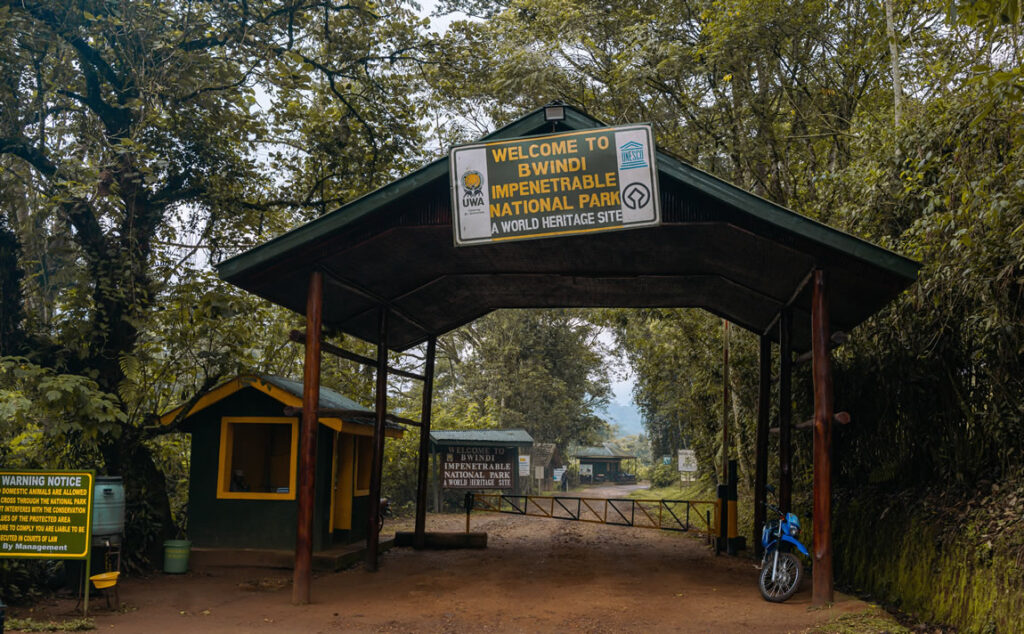
Is Bwindi a UNESCO World Heritage Site?
Bwindi Impenetrable National Park stands as a magnificent testament to the raw beauty of the African wilderness. This ancient rainforest occupies a significant space in the hearts of conservationists and travelers across the globe. Located in the southwestern corner of Uganda, it covers a vast area of rugged mountain ridges and valleys. Many people often ask, is Bwindi a UNESCO World Heritage Site? The answer is a definitive yes, as it earned this prestigious status in 1994. This recognition highlights its exceptional natural beauty and its crucial role in global biodiversity conservation. At Firante Gorilla Treks, we take immense pride in showcasing this protected sanctuary to the world. Our mission involves sharing the profound ecological significance of this misty, green paradise with every curious visitor. Understanding the global standing of this park helps travelers appreciate the delicate balance of its unique ecosystem.
What is the General Overview of Bwindi’s Global Status?
A Sanctuary of Universal Value
Bwindi earned its place on the world stage due to its incredible ecological richness and evolutionary history. UNESCO designated the park as a World Heritage Site because it contains some of the most important natural habitats. These habitats support the survival of threatened species that possess outstanding universal value from a scientific perspective. The park acts as a biological island surrounded by a sea of intensive human agricultural activity. Its protection ensures that a piece of the prehistoric world remains intact for future generations to study.
Protecting Ancient Biodiversity
The park is one of the few places in Africa that flourished during the last arid ice age. While other forests receded, Bwindi remained a lush refuge for a staggering variety of plants and animals. This long-term stability allowed for the evolution of numerous species found nowhere else on the planet. Today, it serves as a critical catchment area for several rivers that provide water to the surrounding communities. This status confirms that the park is not just a local asset but a vital global resource. The international community recognizes its worth through this high-level UNESCO protection and ongoing conservation monitoring.
What are the Unique Features of Bwindi’s Environment?
The Impenetrable Canopy and Topography
The name “Bwindi” itself suggests a place of darkness, referencing the incredibly dense vegetation that carpets the landscape. The forest floor receives very little sunlight because the massive tree canopies interlock so tightly above. Thick stands of bamboo and ancient ferns create a natural barrier that makes movement challenging for humans. This isolation has protected the inner sanctum of the forest from external interference for thousands of years.
A Botanical Wonderland
The park hosts more than 200 species of trees and 100 species of ferns within its borders. You can find rare orchids clinging to mossy branches and giant lobelias growing in the higher mountain elevations. This botanical diversity creates a multi-layered home for thousands of insects, birds, and large mammals alike. Each layer of the forest plays a specific role in maintaining the health of the entire ecosystem. The sheer variety of flora contributes significantly to its standing as a world-class conservation area. This environment provides the perfect backdrop for the life-changing wildlife encounters that occur within its green walls.
Which Wildlife in Bwindi Makes it Globally Significant?
The Majestic Mountain Gorillas
Bwindi is world-famous for being the primary home to approximately half of the remaining mountain gorilla population. These gentle giants live in family groups led by powerful silverbacks across the park’s four main sectors. Protecting these endangered primates requires a global effort and strict adherence to international conservation standards. Seeing a gorilla family in their natural habitat is a soul-stirring experience that highlights the beauty of nature.
A Hotspot for Rare Species
Beyond the gorillas, the park protects ten other primate species, including chimpanzees and the beautiful L’Hoest’s monkeys. It is also an Important Bird Area, hosting 350 species, with 23 being endemic to the Albertine Rift. Rare forest elephants roam the deeper thickets, contributing to the park’s status as a diverse wildlife sanctuary. Butterflies, frogs, and colorful chameleons add to the vibrant tapestry of life found under the thick canopy. Every creature here plays a vital part in the “outstanding universal value” that UNESCO seeks to preserve. This incredible density of life confirms why the park deserves its high international status and protection.
What Activities in Bwindi Highlight its World Heritage Value?
The Life-Changing Gorilla Trek
The most iconic activity is gorilla trekking, which allows you to spend one hour with a habituated family. This activity is highly regulated to ensure the safety and well-being of the gorillas and their habitat. You follow expert guides through the thick bush, learning about the forest’s secrets along the way. This immersive journey helps you understand why researchers frequently ask, is Bwindi a UNESCO World Heritage Site? It is a privilege to enter this sacred space and witness life in its most primal form.
Birding and Forest Walks
Birdwatching in Bwindi is an elite experience for those looking to spot rare and endemic African species. Specialized trails lead you to the swampy areas or high ridges where specific birds are known to nest. Guided nature walks offer a slower pace to appreciate the smaller details of the prehistoric rainforest. You might find yourself standing beside a waterfall or gazing at the distant Virunga Volcanoes from a ridge. These activities allow you to connect deeply with the environment that UNESCO has deemed worthy of global protection.
What are the Cultural Experiences Around the Park?
The Batwa Forest Experience
The Batwa people were the original inhabitants of Bwindi, living in harmony with the forest for many centuries. Today, you can join the Batwa Experience to learn about their ancient hunting and gathering techniques. They share their deep knowledge of medicinal plants and tell stories of their life inside the green canopy. It reminds us that the forest has always been a home to both animals and people.
Community and Craft Visits
Around the park boundaries, local communities offer village walks where you can see traditional life in southwestern Uganda. You can visit a local medicine man or watch women weave beautiful baskets from natural forest fibers. These visits help distribute the benefits of tourism directly to the people living closest to the park. Supporting these communities is vital for the long-term success of the conservation efforts within the forest itself. You gain a broader perspective on the relationship between humans and the protected lands that surround them.
How do Conservation and Challenges Shape the Park?
Facing Modern Pressures
Despite its status, Bwindi faces significant challenges like habitat encroachment and the threat of illegal poaching activities. The surrounding area has one of the highest human population densities in all of rural Africa. This creates constant pressure for land, firewood, and other resources found within the park’s protected borders. Conservationists must balance the needs of the local people with the strict requirements of a protected site. Knowing is Bwindi a UNESCO World Heritage Site helps attract international funding to combat these ongoing challenges effectively.
Innovative Protection Strategies
The Uganda Wildlife Authority implements revenue-sharing programs that give back to the neighboring villages from permit sales. This encourages locals to view the forest as a valuable asset rather than a competitor for land. Rangers patrol the forest daily to monitor the health of the gorilla families and deter illegal entry. Educational programs in schools help the younger generation understand the importance of their unique natural heritage. These efforts ensure that the “Impenetrable” forest remains a safe haven for the world’s most endangered primates.
How Should Travelers Plan Getting to Bwindi?
Navigating the Pearl of Africa
Reaching Bwindi involves a journey through some of the most beautiful landscapes in East Africa. Most visitors drive from Entebbe or Kampala, a trip that takes roughly eight to ten hours. Along the way, you pass through the Equator and see the rolling hills of the Kigezi Highlands. For those with less time, short domestic flights land at nearby airstrips like Kihihi or Kisoro. The ease of access depends on your budget and which sector of the forest you plan to visit.
Crossing Regional Borders
Some travelers choose to enter Uganda from Rwanda, which offers a shorter four-hour drive to the southern sectors. This route is popular for those combining a visit to the Volcanoes National Park with Bwindi. It allows for a diverse primate experience across two different countries in a single trip. Regardless of the path you choose, the transition into the misty mountains is a truly magical experience. The road winds through terraced gardens and small villages before reaching the edge of the ancient rainforest.
What Quality Accommodation in Bwindi Awaits You?
Luxury and Mid-Range Lodges
Bwindi offers a wide range of lodging options, from high-end luxury retreats to comfortable mid-range camps. Many lodges sit right on the edge of the forest, providing spectacular views of the misty canopy. You can enjoy modern amenities like en-suite bathrooms and gourmet meals after a long day of trekking. These lodges often use sustainable practices to minimize their impact on the surrounding environment and wildlife.
Budget and Community Stays
For budget-conscious travelers, there are several clean and welcoming guesthouses run by local community members. These options provide an authentic experience and ensure your money stays within the local economy. You might even hear the distant calls of primates while you relax on your porch in the evening. Most accommodations provide packed lunches for your trek, ensuring you stay energized throughout your forest adventure. Choosing the right lodge ensures that your stay is as memorable as the wildlife encounters themselves.
When is the Best Time to Visit Bwindi?
Seasonal Weather Patterns
The best time to visit Bwindi is during the dry seasons from June to August and December to February. During these months, the trails are less slippery, making the steep climbs much more manageable for trekkers. Clear skies also offer the best conditions for photography and birdwatching across the various forest layers. However, since Bwindi is a rainforest, light showers can occur at any time of the year.
The Magic of the Rain
The wet seasons from March to May and September to November bring a different kind of beauty to the park. The forest becomes a vibrant, emerald green, and the air is incredibly fresh after a downpour. Some travelers prefer this time because the gorillas often stay at lower altitudes where food is abundant. You might also find fewer people on the trails, allowing for a more solitary and quiet experience. Regardless of when you visit, the park’s status as a world treasure remains constant throughout the seasons.
Conclusion: Is Bwindi a UNESCO World Heritage Site?
In conclusion, Bwindi Impenetrable National Park is indeed a proud member of the UNESCO World Heritage family. Its designation reflects its status as one of the most important and beautiful places on our planet. By visiting, you contribute to the ongoing protection of the mountain gorillas and their ancient forest home. Firante Gorilla Treks is ready to help you plan an unforgettable journey into this global conservation icon. We believe that seeing the forest in person is the only way to truly understand its value. So, is Bwindi a UNESCO World Heritage Site? It is that and so much more—it is a living legacy of our natural world. We look forward to guiding you through its misty trails and helping you create stories that last forever.
