
How Do I Prepare for Kilimanjaro’s High Altitude?
May 1, 2026
Why is Bwindi called “Impenetrable”?
May 4, 2026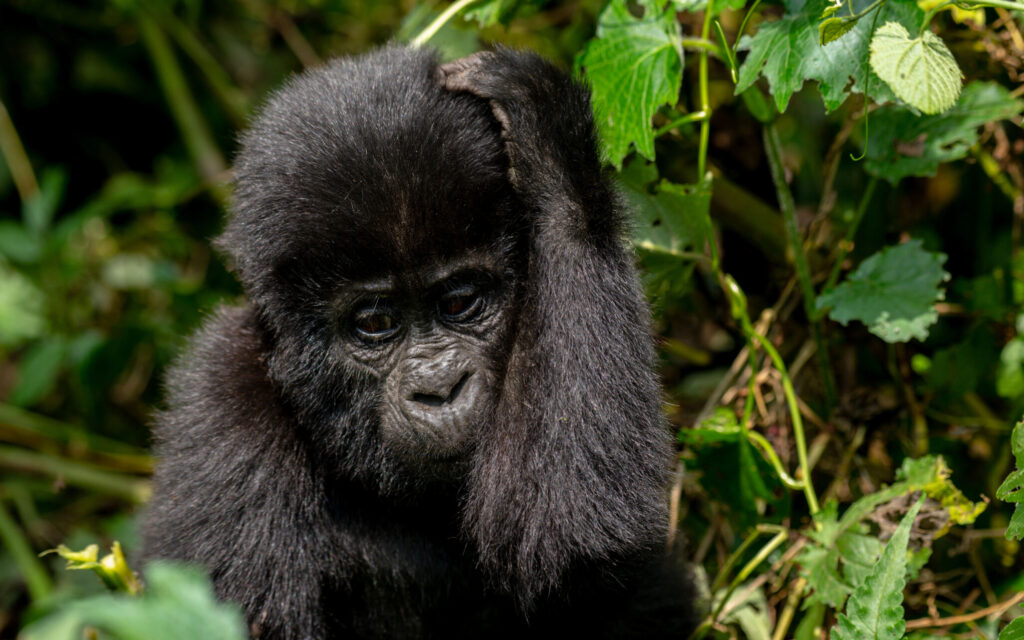
Where is Bwindi Impenetrable National Park Located?
Bwindi Impenetrable National Park sits in the rugged Kigezi Highlands of southwestern Uganda. This ancient rainforest borders the Democratic Republic of Congo along the Albertine Rift Valley edge. It covers 321 square kilometers of incredibly dense, verdant vegetation. The park resides approximately 450 kilometers from Kampala, the bustling capital city of Uganda. Travelers usually drive for eight to ten hours to reach this remote, misty paradise. Alternatively, short domestic flights land at nearby airstrips like Kihihi or Kisoro for quicker access. This prime location makes it a central hub for primate enthusiasts exploring East Africa’s diverse landscapes. Knowing exactly where is Bwindi Impenetrable National Park located helps travelers plan their logistics across the diverse Ugandan terrain effectively.
What Defines the Unique Features of Bwindi Rainforest?
- Ancient Biodiversity: This forest is one of the few African ecosystems that survived the last ice age. It hosts over 120 species of mammals and 350 species of birds within its thick canopy.
- The Misty Mountains: Bwindi features steep ridges and slippery valleys draped in a perpetual, ethereal mountain mist.
- A UNESCO World Heritage Site: Recognized for its ecological importance, it protects half of the world’s mountain gorilla population.
- The Impenetrable Canopy: The name “Bwindi” translates to a place of darkness, referencing the thick, intertwined bamboo and ferns.
- Diverse Flora: You will find more than 200 species of trees and 100 species of ferns in this park.
Understanding where is Bwindi Impenetrable National Park located allows visitors to appreciate its high-altitude ecological niches and unique microclimates.
Which Majestic Wildlife in Bwindi Can Visitors Encounter?
Bwindi serves as a critical sanctuary for the endangered mountain gorilla, which remains its most famous permanent resident. These gentle giants live in family groups led by a dominant, protective silverback male. Beyond gorillas, the park supports ten other primate species, including chimpanzees, L’Hoest’s monkeys, and black-and-white colobus. Forest elephants roam the deeper thickets, though they remain quite elusive to the average trekking group. Birdwatchers flock here to spot 23 species endemic to the Albertine Rift, such as the African Green Broadbill. You might also see colorful butterflies, giant forest hogs, and various small forest antelopes during your trek.
What Thrilling Activities in Bwindi Should You Experience?
The primary draw for most international visitors is the life-changing mountain gorilla trekking adventure through the dense bush. You will spend one hour observing a habituated gorilla family in their natural, wild habitat. For a deeper connection, the Gorilla Habituation Experience allows four hours of observation with a semi-habituated group. Birding enthusiasts can follow specialized trails to identify rare species hidden within the ancient forest layers. Hikers enjoy the Waterfall Trail or the Muzabajiro Loop for stunning views of the Virunga Volcanoes. Mountain biking through the community or along the forest fringe offers a faster way to see the scenery.
What Are the Cultural Experiences Near Bwindi Lodge?
Living alongside the park are the Batwa Pygmies, the original “Keepers of the Forest” who resided there for millennia. You can take the Batwa Trail to learn about their traditional hunting, gathering, and ancient medicinal plant knowledge. Visit the nearby Bakiga communities to see how they terrace the steep hillsides for sustainable local agriculture. Local craft centers offer handmade baskets, wood carvings, and vibrant textiles created by talented community women’s groups. You can participate in traditional dance performances that tell stories of the forest and its many wild inhabitants. These encounters provide a holistic view of the region beyond just the wildlife and the scenic mountain vistas. Realizing where is Bwindi Impenetrable National Park located helps you appreciate the intersection of ancient cultures and modern conservation.
How to Navigate Conservation and Challenges in the Forest?
Bwindi faces ongoing pressure from human encroachment and the high demand for agricultural land in the surrounding villages. Conservationists work tirelessly to prevent poaching and ensure the gorillas remain healthy and safe from human-borne diseases. Revenue sharing programs give a portion of permit fees back to the local people to build schools and clinics. This strategy encourages communities to protect the forest instead of exploiting its many natural resources for short-term gain. Climate change also poses a threat to the delicate balance of this high-altitude, moisture-dependent tropical rainforest ecosystem. We must advocate for sustainable tourism to ensure that future generations can still visit this incredible natural wonder.
What is the Best Time to Visit Bwindi for Trekking?
The best time to visit is during the dry seasons from June to August and December to February. During these months, the forest trails remain less slippery, making the steep climbs much easier for the average trekker. The clear skies provide excellent lighting for photography and offer breathtaking views of the surrounding mountain ranges. However, Bwindi is a rainforest, so you should expect light showers even during the traditional dry periods. The rainy seasons from March to May and September to November offer lush greenery and lower accommodation prices. Some travelers prefer the rains because the gorillas often stay at lower altitudes where food is more abundant.
How Do You Master Getting to Bwindi Safely?
Most travelers start their journey in Entebbe or Kampala and take a long, scenic drive through the countryside. You will pass the Equator and witness the changing landscapes from flat savannah to rolling, terraced green hills. For those with limited time, scheduled or chartered flights depart daily from Entebbe International Airport to Kisoro or Kihihi. From these local airstrips, a short road transfer takes you directly to your chosen safari lodge or camp. If you are coming from Rwanda, you can cross the border at Cyanika or Katuna for a shorter drive. This cross-border route is popular for those combining a Rwandan tour with a more affordable Ugandan gorilla trek.
Which Luxury and Budget Accommodation in Bwindi is Best?
Bwindi offers a wide range of lodging options divided into four main trekking sectors: Buhoma, Ruhija, Rushaga, and Nkuringo. Luxury lodges like Sanctuary Gorilla Forest Camp or Clouds Mountain Gorilla Lodge provide high-end comfort and stunning forest views. Mid-range options like Haven Lodge or Bakiga Lodge offer excellent service and cozy rooms for a moderate price point. Budget-conscious travelers can find clean, basic campsites and community-run guesthouses that support local development projects directly. It is vital to book accommodation in the same sector where your gorilla trekking permit is officially registered.
Final Thoughts: Where is Bwindi Impenetrable National Park Located?
In conclusion, Bwindi Impenetrable National Park is a crown jewel of African biodiversity tucked away in southwestern Uganda. It stands as a testament to the resilience of nature and the success of dedicated, community-based conservation efforts. Whether you seek the thrill of the trek or the peace of the forest, Bwindi delivers an unmatched experience. Plan your journey with Firante Gorilla Treks to ensure a seamless, professional, and deeply impactful African safari adventure. We invite you to explore this ancient land where the mountains meet the mist and the gorillas roam free.
